NexaRAM NexaRAM
South American Infrastructure & Cooling Technology

Server Radiator Factories & Suppliers in the Paraguay Market

High-Density Thermal Management Engineering & Heavy-Duty Server Coolers Customized for Subtropical Enterprise Clusters and Green Data Hubs in Paraguay.

Send Inquiry Now Technical Specifications
Whitepaper & Market Report 2024

Thermal Management Paradigms in Paraguay's Evolving Digital Infrastructure

Over the past decade, South America has witnessed a significant reshuffle in its telecommunications and data processing centers. At the heart of this shift is the Republic of Paraguay, which has emerged as an unexpected regional focal point for high-performance computing (HPC) nodes, artificial intelligence mining infrastructure, and enterprise data backbones. To support these processing nodes, heavy-duty server cooling technology has shifted from a secondary design factor to a critical infrastructural bottleneck.

The Hydropower Catalyst: Paraguay benefits from an abundance of clean, low-cost electricity generated by massive installations such as the Itaipu and Yacyretá Hydroelectric Dams. However, while electricity costs are highly competitive, Paraguay’s subtropical climate introduces high ambient temperatures (often exceeding 40°C in summer) and humidity levels that require robust and highly optimized server heat dissipation systems.

The Global Server Radiator Industry Status & Technical Shift

Globally, server radiator manufacturing is facing unprecedented challenges. Standard computing architectures are seeing processor Thermal Design Power (TDP) escalate from historic averages of 150 Watts to modern peaks of 350 Watts to 450 Watts. With the rollouts of Intel's LGA4677 and LGA4189 sockets, alongside AMD's SP5 and SP6 platforms, traditional cooling systems are no longer sufficient.

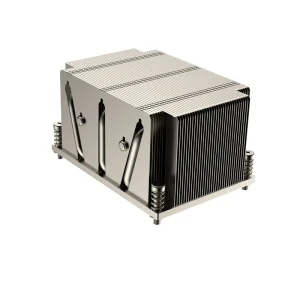
In response, global server factories have transitioned toward advanced thermal materials. Copper baseplates combined with high-density skived fins, multi-loop vapor chambers (VCs), and high-reliability dual ball-bearing fans are the current standard. As cloud density continues to increase, hybrid layouts that blend active air-cooling and liquid-cooling blocks are becoming standard practice for high-density 1U and 2U multi-node rack servers.

Paraguay Market Dynamics: Opportunities and Specific Needs

The Paraguay market presents unique demands. Enterprise computing deployments in Asunción and digital asset processing centers in Ciudad del Este demand server radiators that feature:

  • Anti-Corrosive Fin Coatings: Needed to withstand fluctuating humidity levels in the Paraná River basin.
  • High Static Pressure Radiator Configurations: Essential to push cold air through ultra-dense fins, overcoming regional dust and airflow restrictions.
  • Structural Resilience: High-quality structural frames to minimize vibration, preventing memory connection errors and CPU pin fractures under heavy operational workloads.
Our Manufacturing Edge & Structural Supply Capacity

Backed by over a decade of semiconductor-related supply chain experience, automated precision testing, and high-performance system engineering.

12+
Years of Industry Exp.
850+
Supply Chain Partners
180+
R&D Engineers
35+
QA Quality Inspectors
⚙️

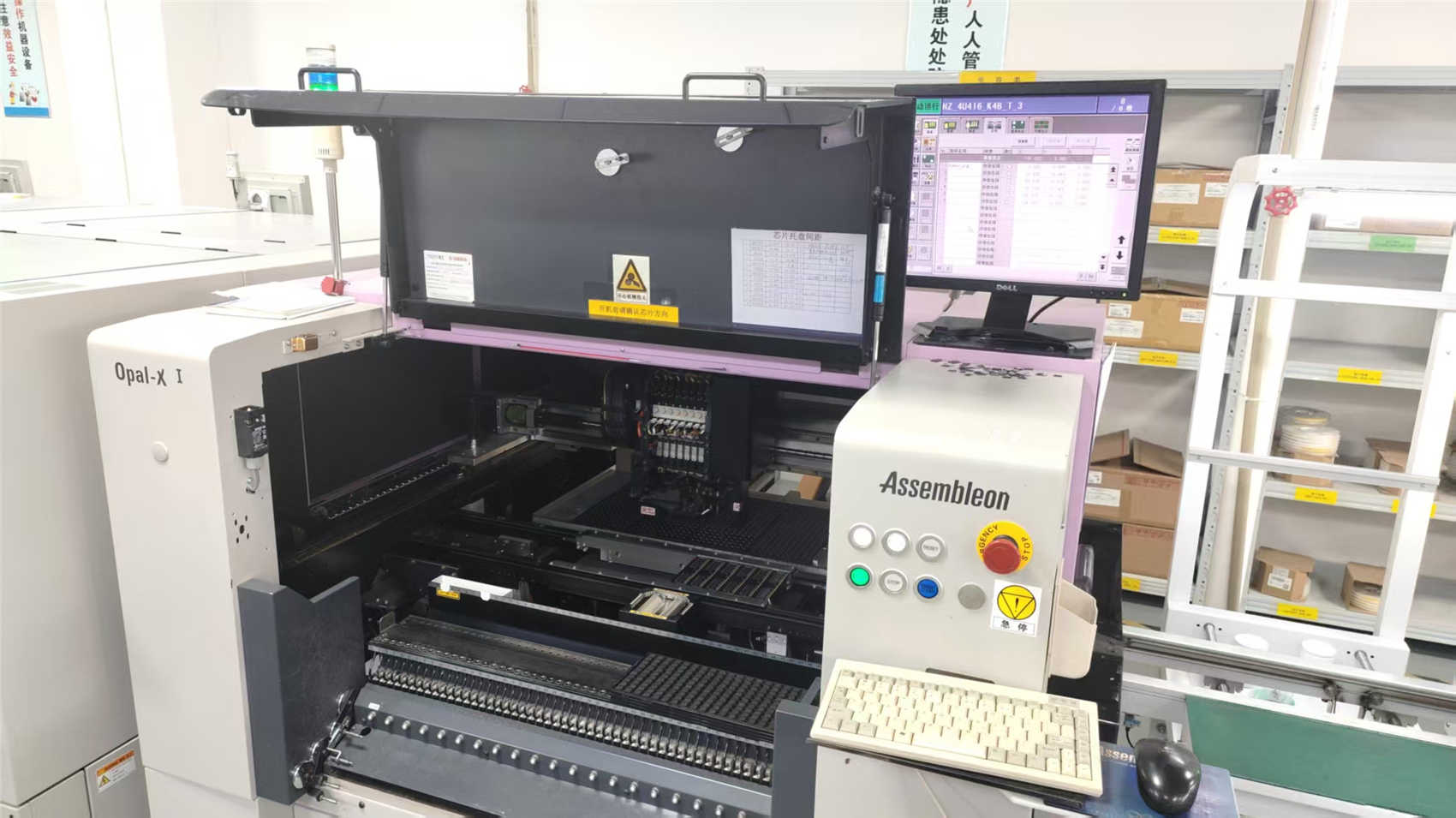
Precision Manufacturing & Testing

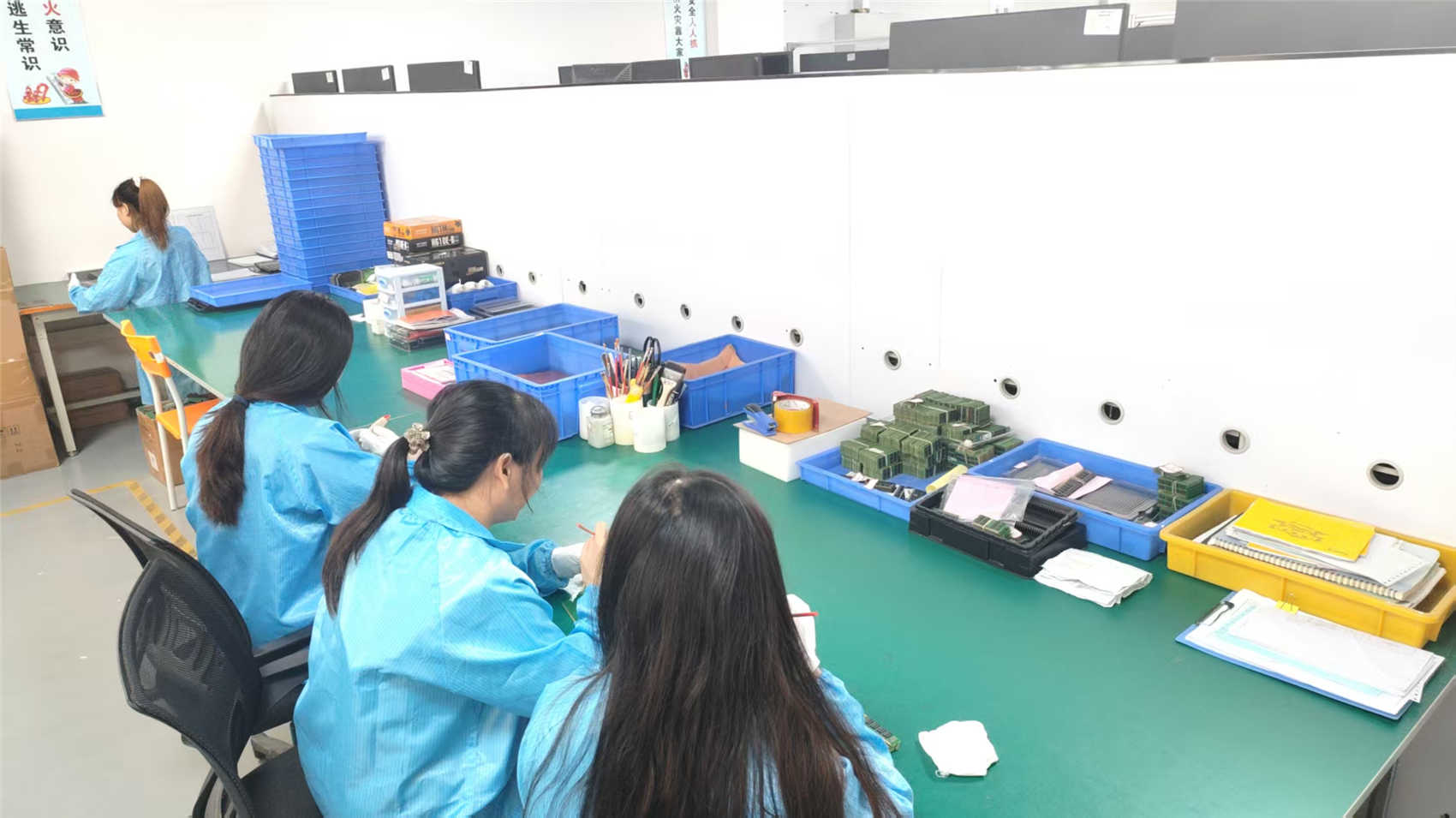
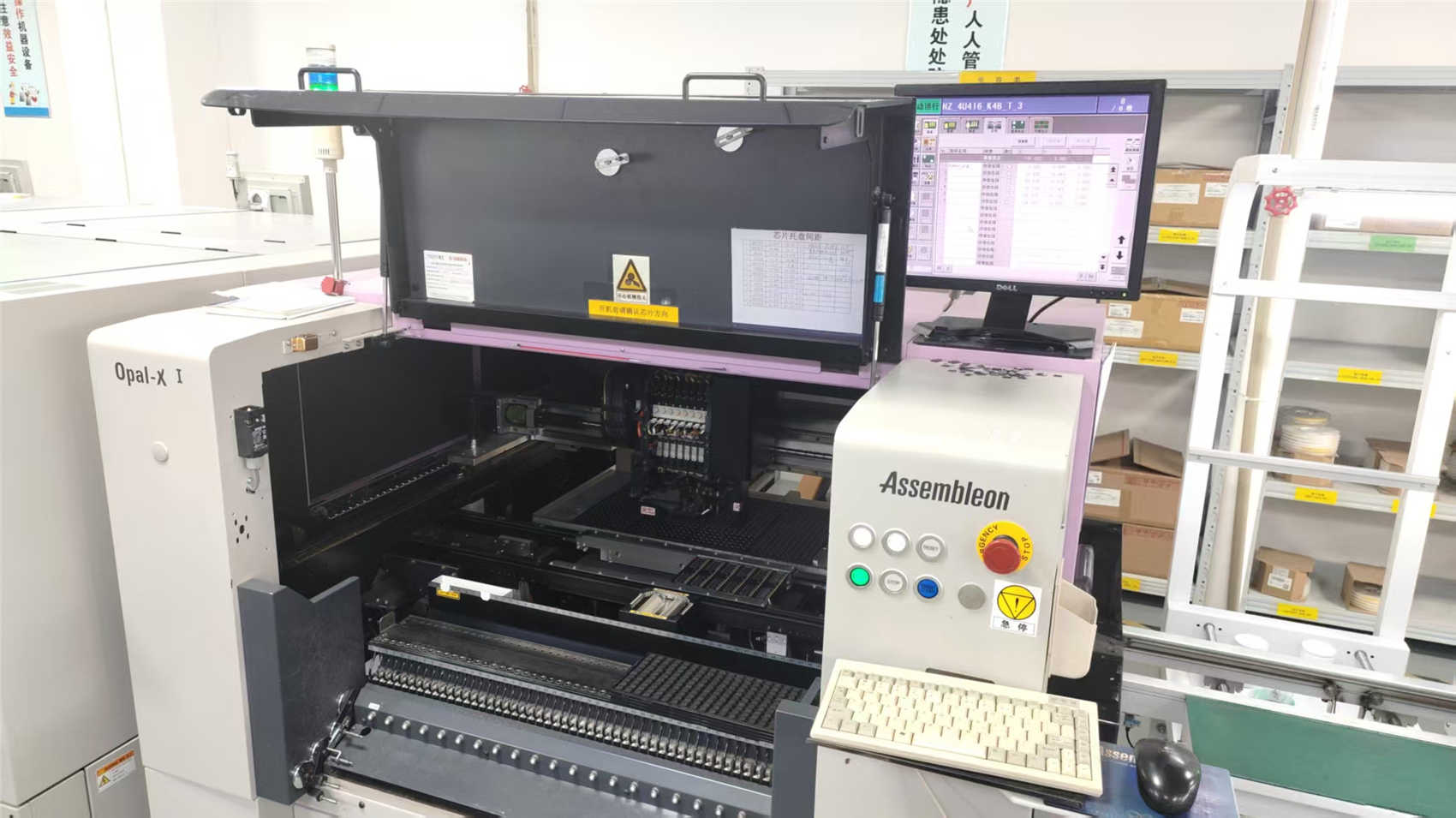
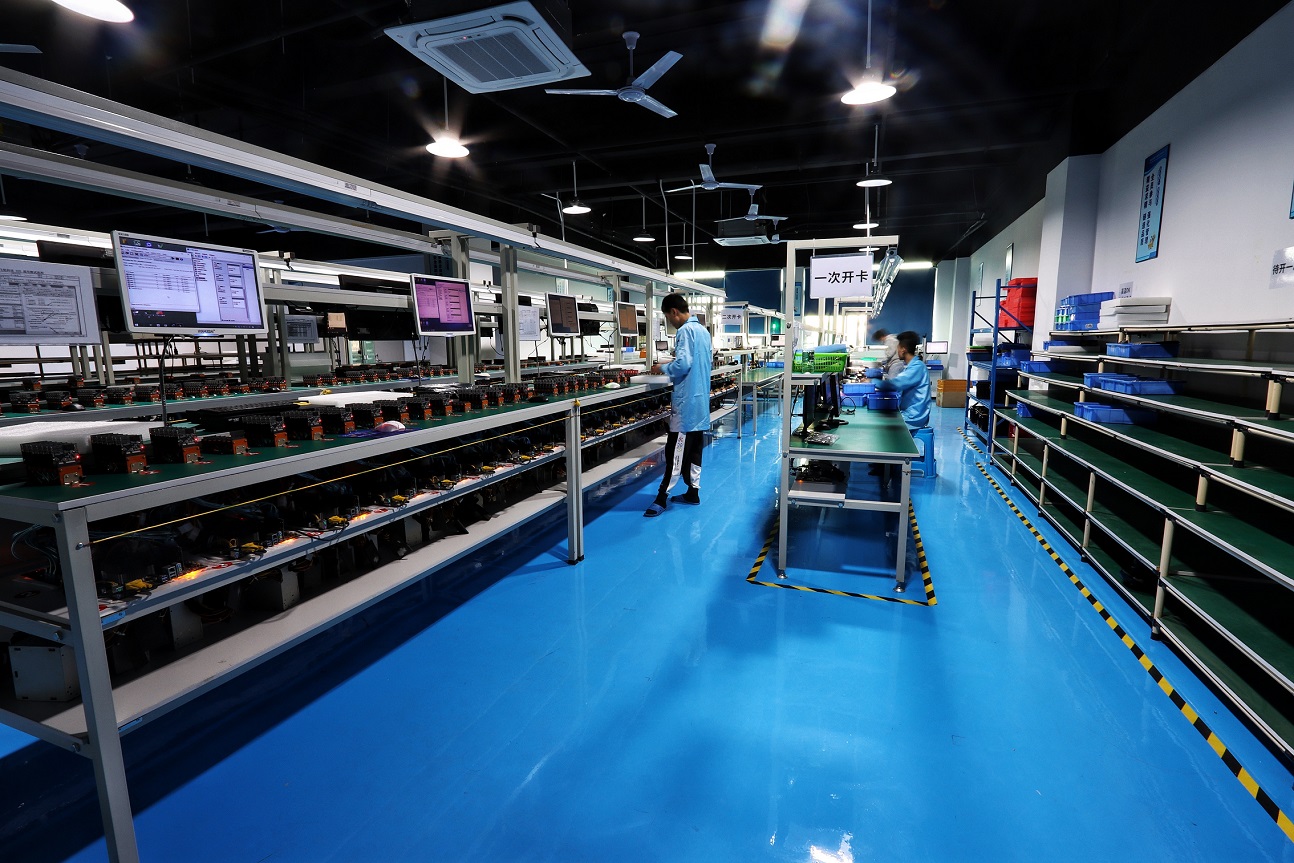
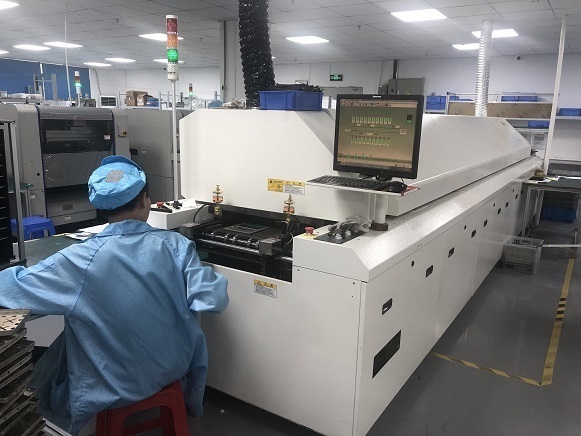
Leveraging advanced manufacturing equipment and high-tech optical testing. Our server thermal solutions undergo rigorous Automated Optical Inspection (AOI) alongside burn-in reliability testing to guarantee long-term operation under structural stress.

Advanced Thermal Customization

Offering comprehensive customized design of custom copper-fin layouts, localized air-cooling bypass optimization, heat-pipe count tuning, and structural modifications compatible with standard 1U, 2U, and 4U chassis envelopes.

🌐

Strategic Global Supply Base

Operating from modern production facilities with strategic supply agreements. We manage a robust export portfolio, servicing markets across North America, Europe, Southeast Asia, the Middle East, and growing South American locations like Paraguay.

Supply Chain Optimization

Why Global System Integrators Leverage Chinese Cooling Manufacturing

For system integrators building data centers in Paraguay, procuring server thermal equipment from Chinese factories provides distinct cost and capability advantages. Chinese manufacturing excels in scaling precision machining processes, particularly for skived copper fin blocks and complex multi-fluid vapor chambers.

Raw Material Sourcing

Direct, optimized access to oxygen-free high-conductivity copper and raw aerospace-grade aluminum extrusions simplifies supply chain logistics and controls baseline material costs.

Rapid Prototyping Cycle

Our engineering team can modify design parameters, perform thermal simulations, and produce operational prototypes within brief development sprints.

Quality & Inspection Standards

Automated production lines feature inline pressure tests for liquid blocks and thermal performance tests for heat pipe integrity to ensure components meet long-term enterprise requirements.

By leveraging an extensive strategic ecosystem of over 850 strategic partners, we ensure that every high-performance server radiator, whether built for Intel Xeon or AMD EPYC platforms, meets strict dimensional tolerances and operational standards before delivery to South American logistics centers.

Expanded Server Thermal Portfolio

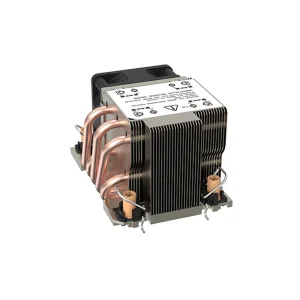
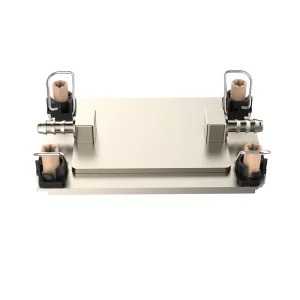
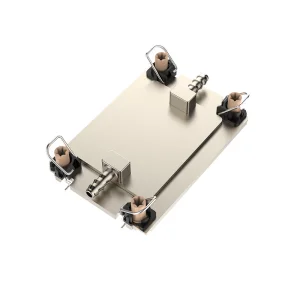
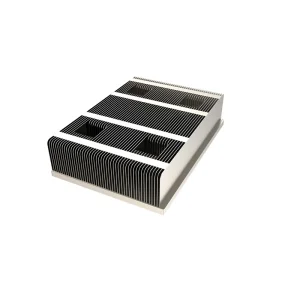
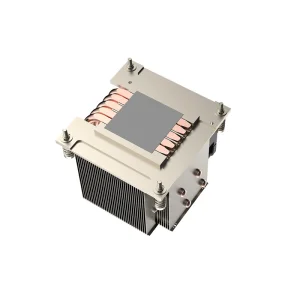
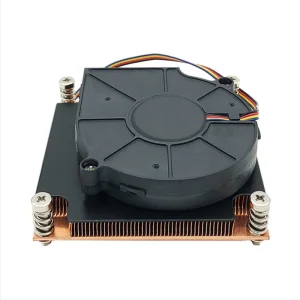
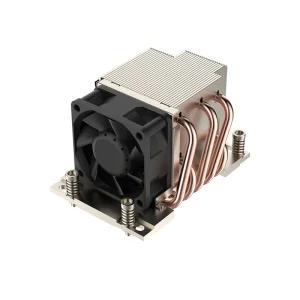
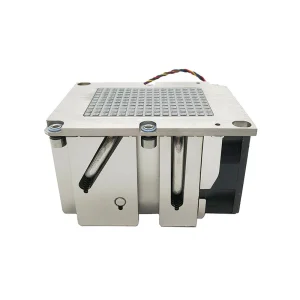
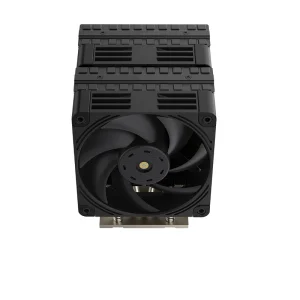
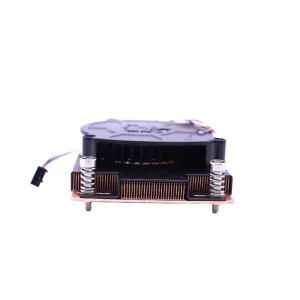
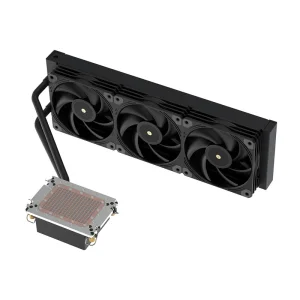
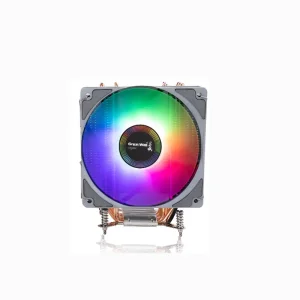
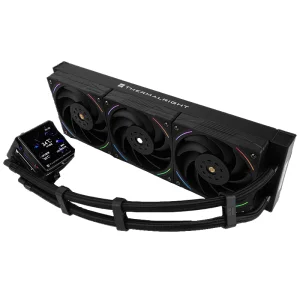
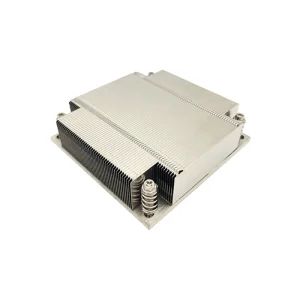
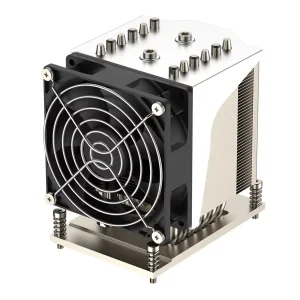
Enterprise liquid blocks, low-profile 1U radiators, and heavy-duty active copper coolers optimized for South American multi-node computing clusters.

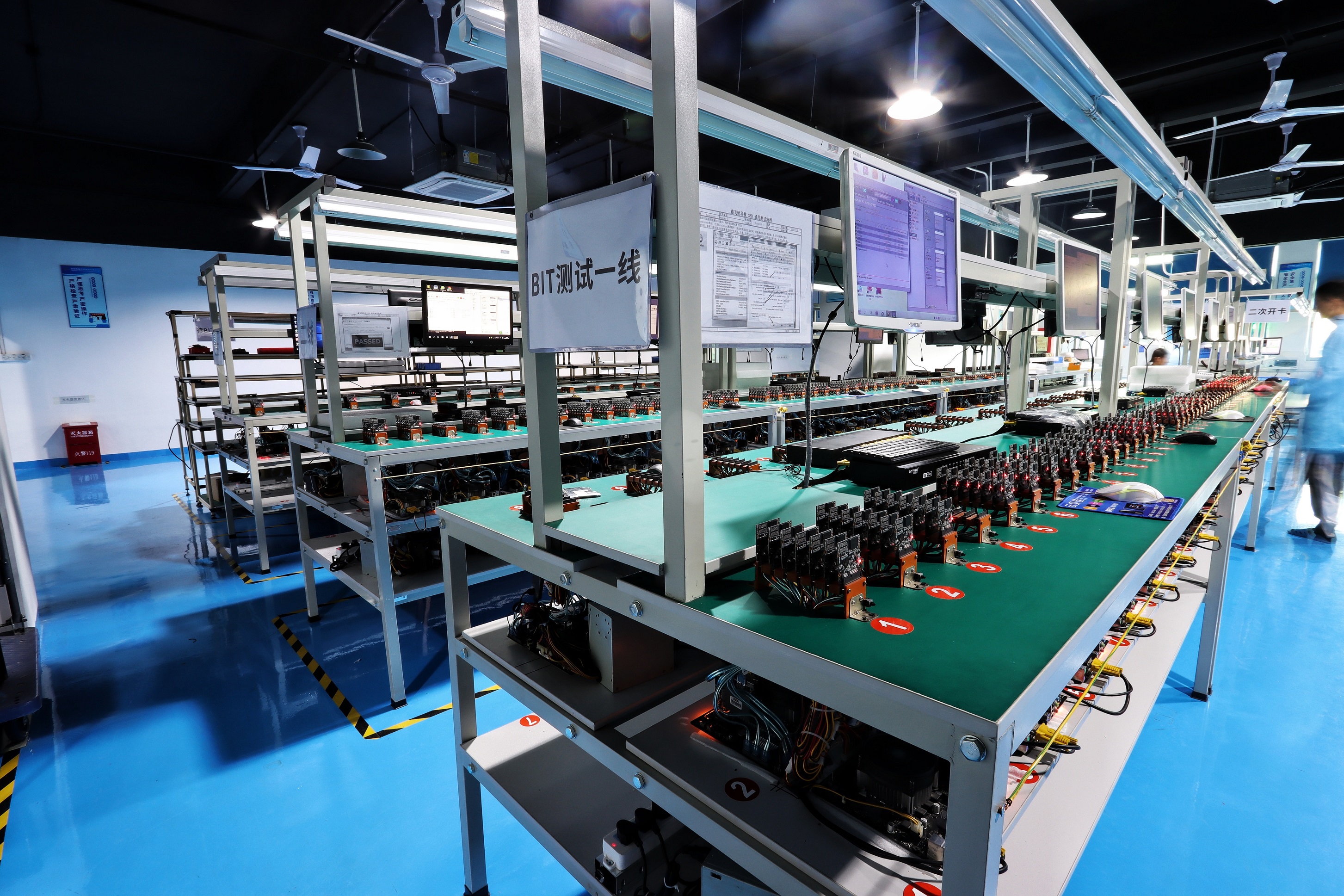
Integrated Testing Jigs & Visual Quality Assurance

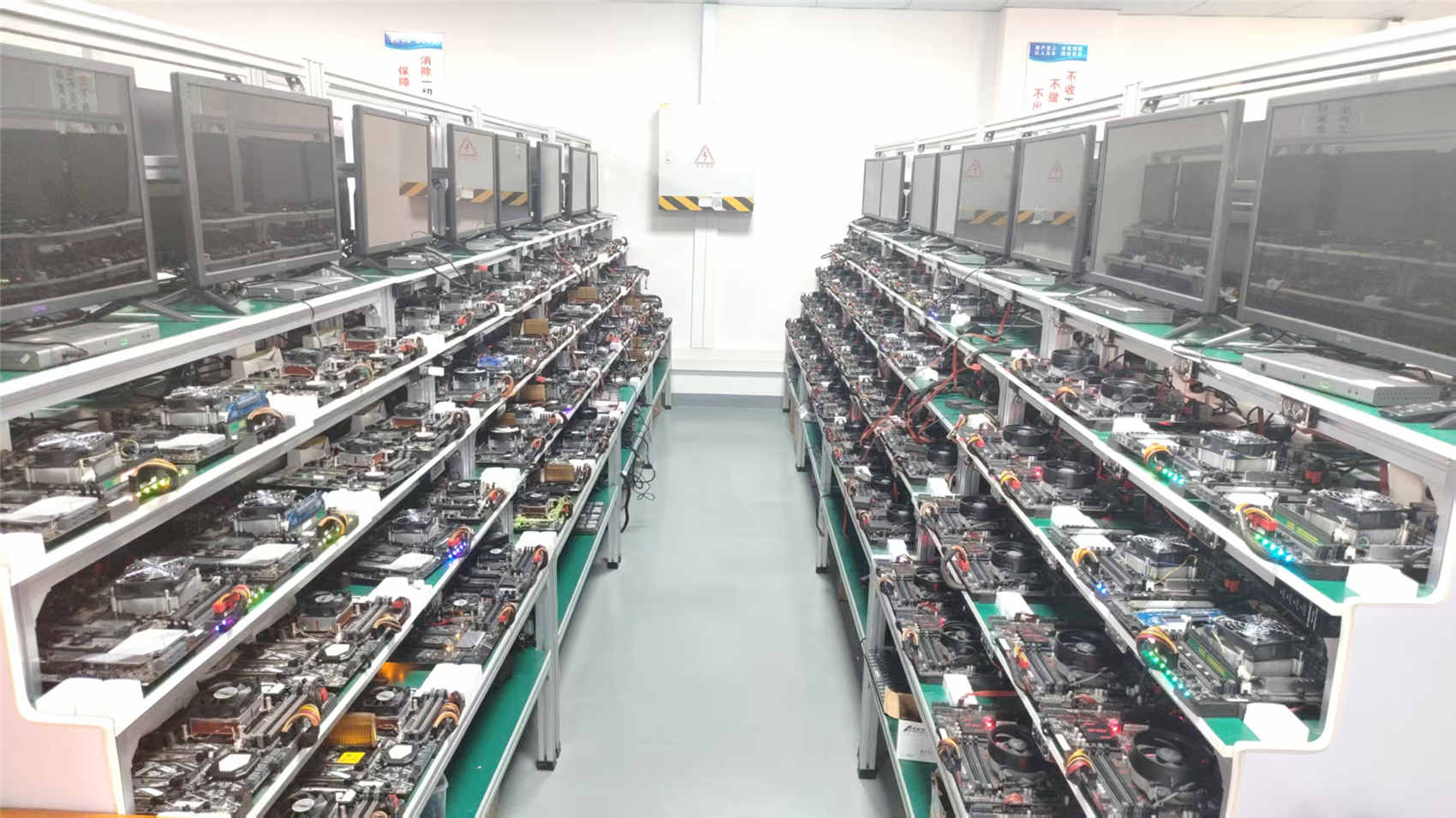
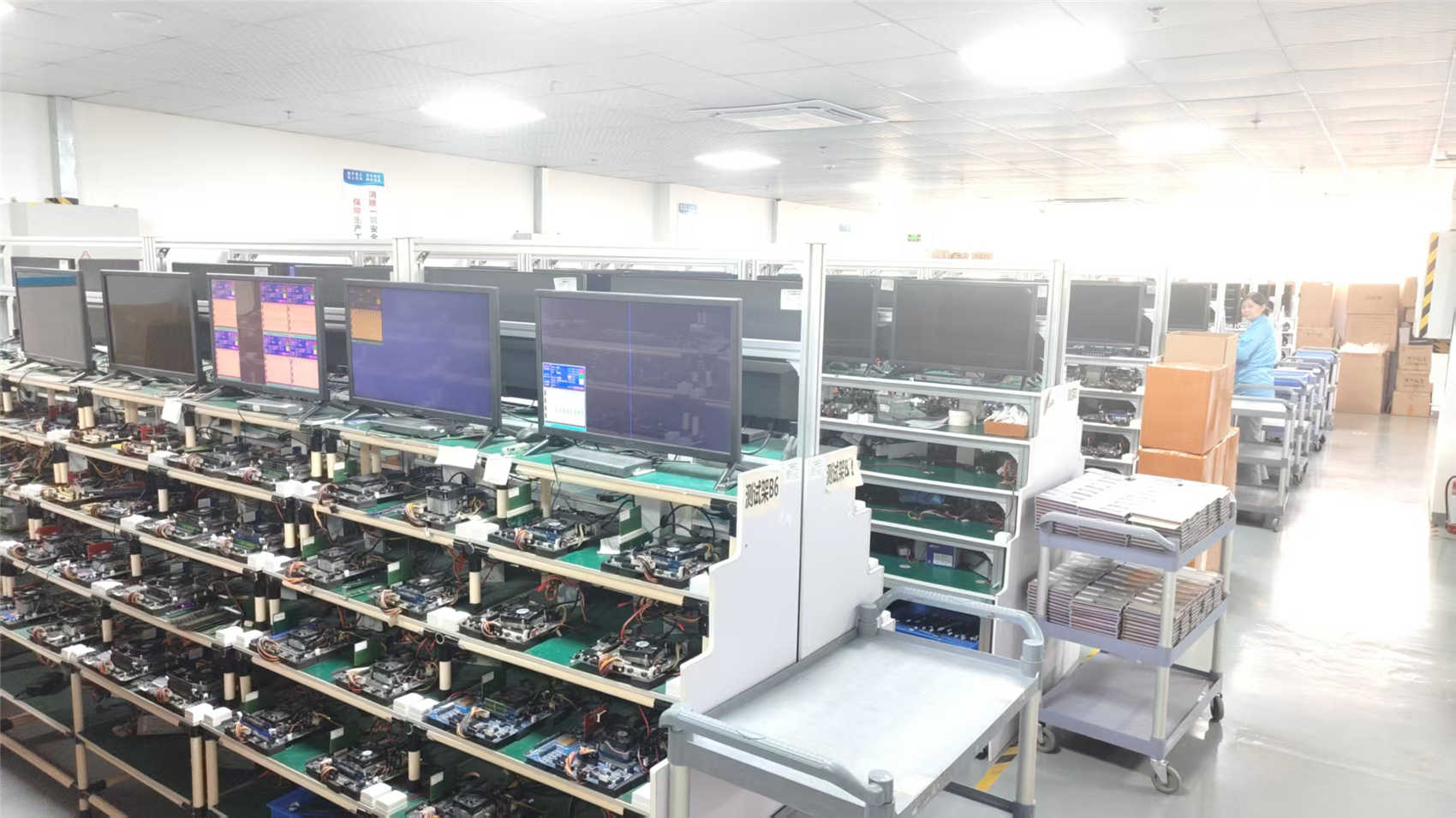
To ensure high quality across our manufacturing run rate, our factory utilizes dedicated thermal testing jigs and automated stress arrays. This validation confirms that contact plates meet exact flatness requirements (within micrometric limits) to establish a uniform connection with the CPU’s integrated heat spreader (IHS).

Automated Testing Platform

Advanced Validation for Critical Infrastructure

Thermal interfaces and high-density copper fins undergo automated optical checks and custom vibration testing. This process ensures the mounting hardware can withstand the acoustic frequencies generated by high-RPM server fans in modern 1U and 2U chassis. It helps prevent mounting hardware degradation and thermal compound dry-out over long-term deployments.

Our quality control processes align with our semiconductor production standards. This comprehensive verification prevents system field failures, protecting the operations of regional enterprise clients in South America.

Subassembly testing
Subassembly Testing

Validating mechanical sub-assemblies for heat pipe configurations prior to final integration.

Automated sorting
Automated Baseplate Verification

Inspecting contact plate flatness using laser profilometers to verify consistent surface contact.

Final functional testing
Final Thermal Profile Run

Testing thermal load performance against simulated target TDP profiles under regulated ambient environments.

Paraguay Enterprise Application Matrix

Integrating servers within Paraguay's distinct climate requires selecting appropriate thermal components. The chart below outlines key configuration guidelines based on common local data deployments:

Deployment Scenario Key Climate Challenge Recommended Thermal Specification Optimal Product Class
Ciudad del Este Edge Clusters High relative humidity (Paraná River basin) Anti-corrosive copper/aluminum fins, nickel plated baseplates LGA1700 M-ATX Compact, 2U Active Copper Heat Sinks
Asunción High-Density Telecom Nodes Space constraints, structural vibrations 1U low-profile design, dual ball-bearing fans, secure spring mounts 95W LGA115X 1U, SP3 1U Server Heat Sink
High-Performance Crypto Compute Nodes High ambient temperatures, continuous full-TDP operation Integrated vapor chamber, high-fin density, heat pipes ≥ 5 AMD SP6 350W Radiator, LGA4926 300W Server Heat Sink
Next-Gen AI & Core Cloud Nodes Extreme thermal loads (> 400W) Liquid cooling loop, direct copper micro-channel blocks 1U Copper LGA4677 400W Water Cooler Block
Frequently Asked Questions

Technical answers from our engineering team regarding logistics, thermal design, and custom configurations for South America.

Why is copper preferred over aluminum for server baseplates in Paraguay?

Copper has a thermal conductivity of roughly 401 W/m·K, compared to aluminum's 237 W/m·K. In Paraguay’s warm climate, minimizing thermal resistance at the contact point is critical. We use copper baseplates combined with skived aluminum fins to leverage both copper's thermal transfer rate and aluminum's lighter weight and heat dissipation properties.

How does your QA process prevent failure of liquid cooling blocks?

All liquid cooling blocks, including the 1U Copper LGA4677 400W block, undergo strict pressure leak tests. The structural sealing is verified under pressure ranges that exceed standard server loop operating specs. In addition, we utilize Automated Optical Inspection (AOI) to confirm internal micro-channel integrity.

What is the standard lead time for shipping container-level volumes to Paraguay?

Standard delivery to South America (including transit via sea freight to the Port of Villeta or air shipping to Asunción) ranges between 4 to 6 weeks from our primary manufacturing base. Production lead times for custom layouts vary based on the design's complexity but generally take 15 to 25 days following specification approval.

Can you customize mounting brackets for non-standard motherboard layouts?

Yes. Our engineering division (featuring 180 design and QA engineers) can customize mounting hardware, backplates, and bracket configurations to support non-standard motherboards, industrial computing cases, and custom multi-node chassis structures.

Establish Reliable Server Cooling Infrastructure

Partner with an experienced OEM/ODM hardware manufacturer. Contact our application engineers today to discuss your thermal design requirements, request product samples, or schedule a virtual factory tour.

Send Inquiry Now