NexaRAM
NexaRAM
NexaRAM
High-performance computing and specialty thermal management components tailored for Detroit's industrial and automotive development centers.
An executive analysis of thermal management and power distribution designs in modern automotive and grid architectures.
As the automotive capital of North America, Detroit, Michigan, is leading the global transition from traditional internal combustion engines (ICE) to hybrid and fully electric vehicle (EV) architectures. This technological pivot has significantly heightened the demands on printed circuit board (PCB) design. High-voltage systems, powertrain inverters, DC-DC converters, and rapid battery charging assemblies require PCBs capable of sustaining extreme electrical currents while maintaining structural integrity.
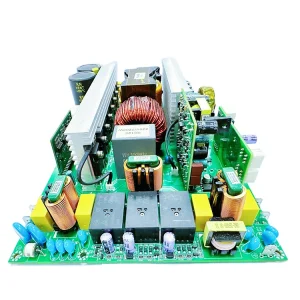
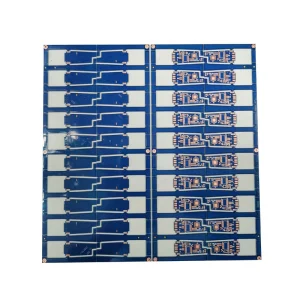
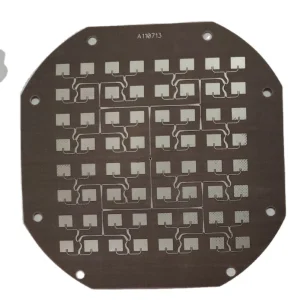
Conventional PCBs, with standard copper foil weights of 1 oz/ft² (approx. 35 µm) to 2 oz/ft² (approx. 70 µm), are thermally insufficient for these high-power density designs. Thick copper PCBs (defined as boards with copper cladding ranging from 3 oz to 20 oz or more) serve as a combined power delivery and thermal dissipation medium. By integrating heavy copper layers, engineers in Detroit can reduce component count, minimize spatial layouts, and significantly lower thermal resistance values across power distribution networks.
By implementing thick copper designs, designers can achieve heat dissipation pathways directly through the board structure. This eliminates the need for expensive, bulky auxiliary heat sinks, lowering overall assembly weights—a critical metric for extending EV driving ranges.
Fabricating reliable thick copper circuit boards demands meticulous control over plating processes, etching profiles, and base materials. Standard manufacturing challenges include resin starvation during lamination, trace undercut profiles during chemical etching, and solderability variations due to high thermal mass. Below is the technical capability matrix implemented to ensure IPC Class 3 compliance for industrial and automotive clients in Detroit:
| Parameter | Standard Specification | High-Reliability / Automotive Spec |
|---|---|---|
| Copper Foil Thickness (Inner Layers) | 1 oz – 3 oz | 3 oz – 15 oz (Up to 20 oz custom) |
| Copper Foil Thickness (Outer Layers) | 1 oz – 3 oz | 3 oz – 12 oz |
| Min. Trace Width / Spacing (3 oz Cu) | 0.25 mm / 0.30 mm | 0.20 mm / 0.25 mm |
| Min. Trace Width / Spacing (6 oz Cu) | 0.45 mm / 0.50 mm | 0.35 mm / 0.40 mm |
| Base Dielectric Materials | Standard FR-4 (Tg 140°C) | High-Tg FR-4 (Tg 170°C-180°C), Polyimide, Ceramic, Metal Clad |
| Surface Finishes | HASL, OSP | ENIG, ENEPIG, Immersion Silver, Lead-Free HASL |
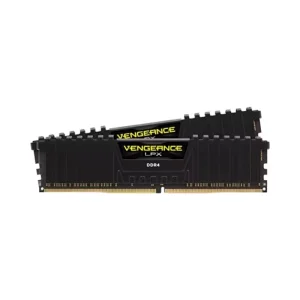
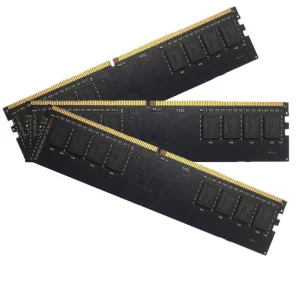
To support advanced compute architectures in automated driving systems (ADAS) and heavy industrial machinery, NexaRAM Storage Technology Co., Ltd. provides robust memory and complex board design services to global industrial buyers. Established in 2016, NexaRAM has constructed a state-of-the-art facility focused on high-reliability DRAM solutions and advanced PCB layouts, with 12 years of industry experience in semiconductor and memory engineering.
Quality and precision are at the core of our business model. Leveraging an engineering staff of 180 R&D specialists, we design, test, and optimize memory architectures and associated PCB sub-assemblies. Our testing workflow includes Automated Optical Inspection (AOI) and intensive thermal burn-in reliability tests executed by a dedicated team of 35 QC inspectors. Backed by 850 strategic supply chain partners, we guarantee the sourcing of high-purity copper and specialized base laminates (such as Taconic, Rogers, and high-Tg FR-4) required for harsh-environment applications.
Our scale and technical infrastructure ensure consistent output, compliance, and supply chain security for modern manufacturing programs.
How incorporating heavy copper structures optimizes system-level performance for high-power electronics.
Heavy copper traces can carry hundreds of amperes of current without overheating, serving as heavy-duty busbars embedded directly inside the multilayer PCB laminate structure.
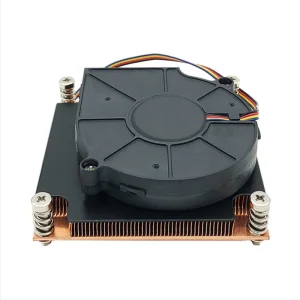
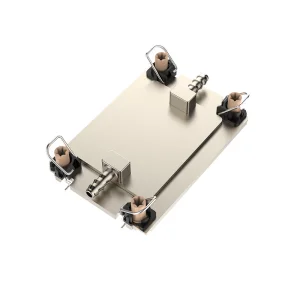
Direct integration of thick copper pads under high-dissipation components enables efficient lateral heat spreading and low thermal-resistance pathways to external heat sinks.
Improved mechanical strength at connection points and within connector holes. Protects against thermal cycling stress failures typical in automotive vibration profiles.
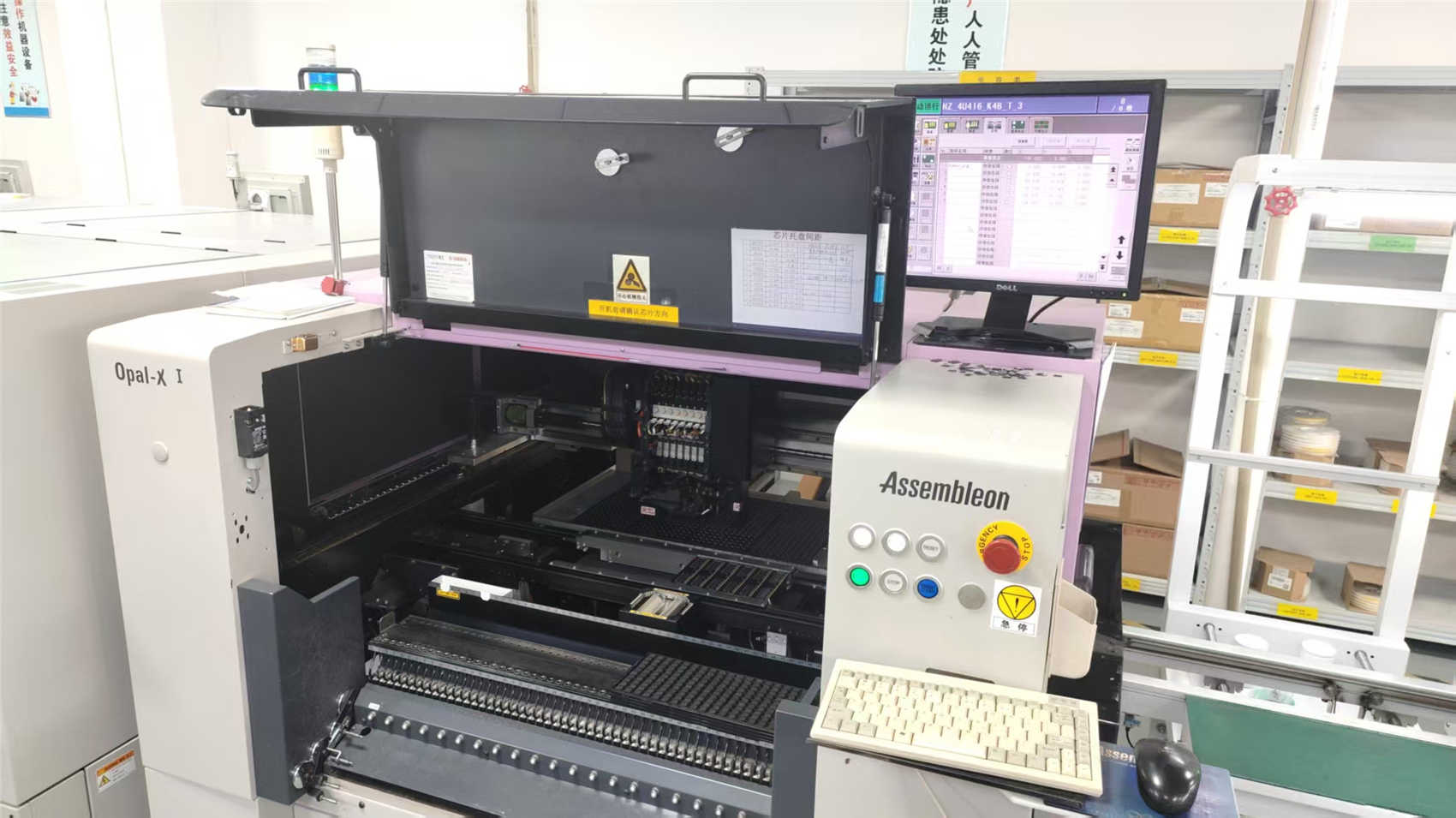
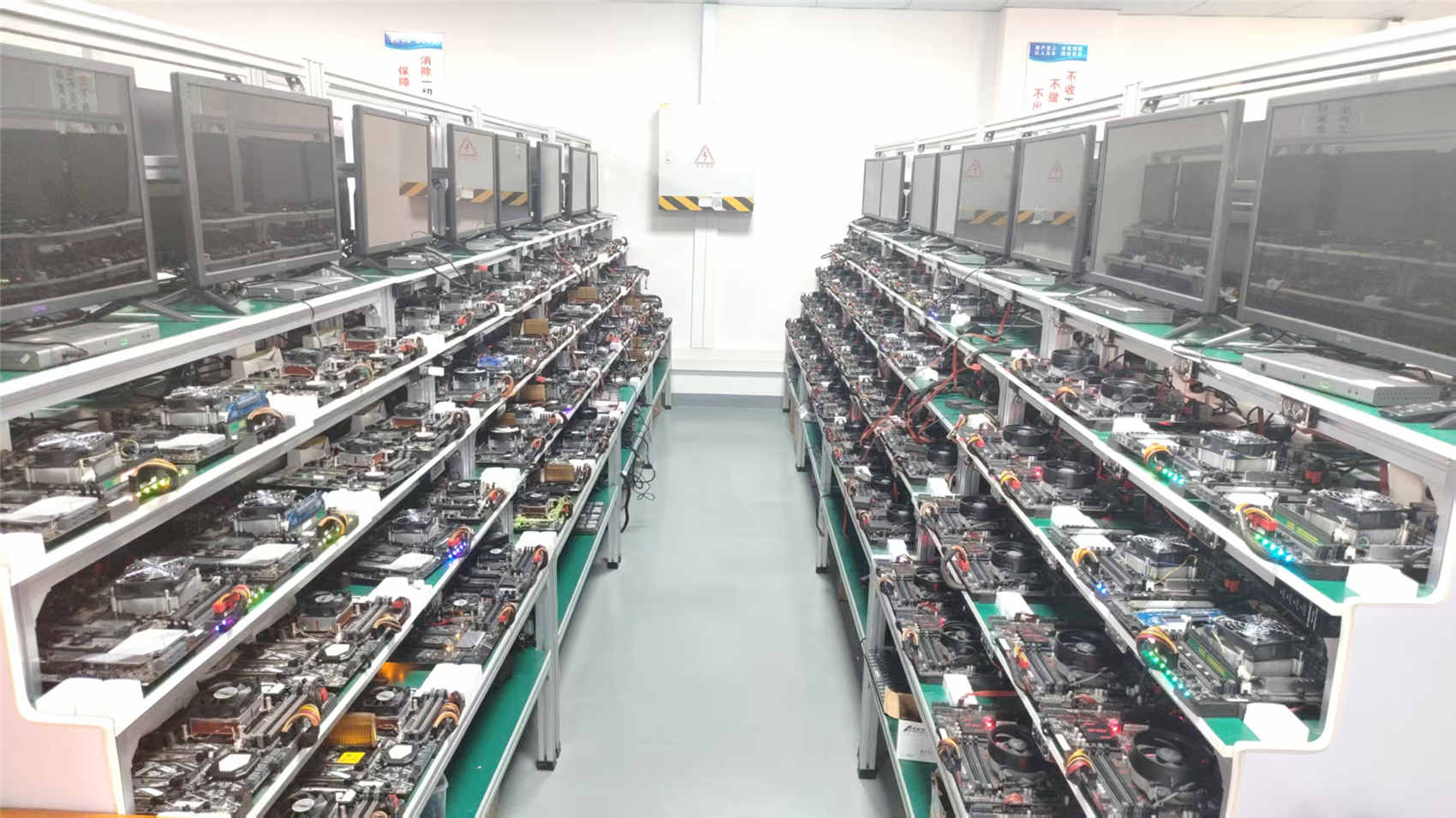
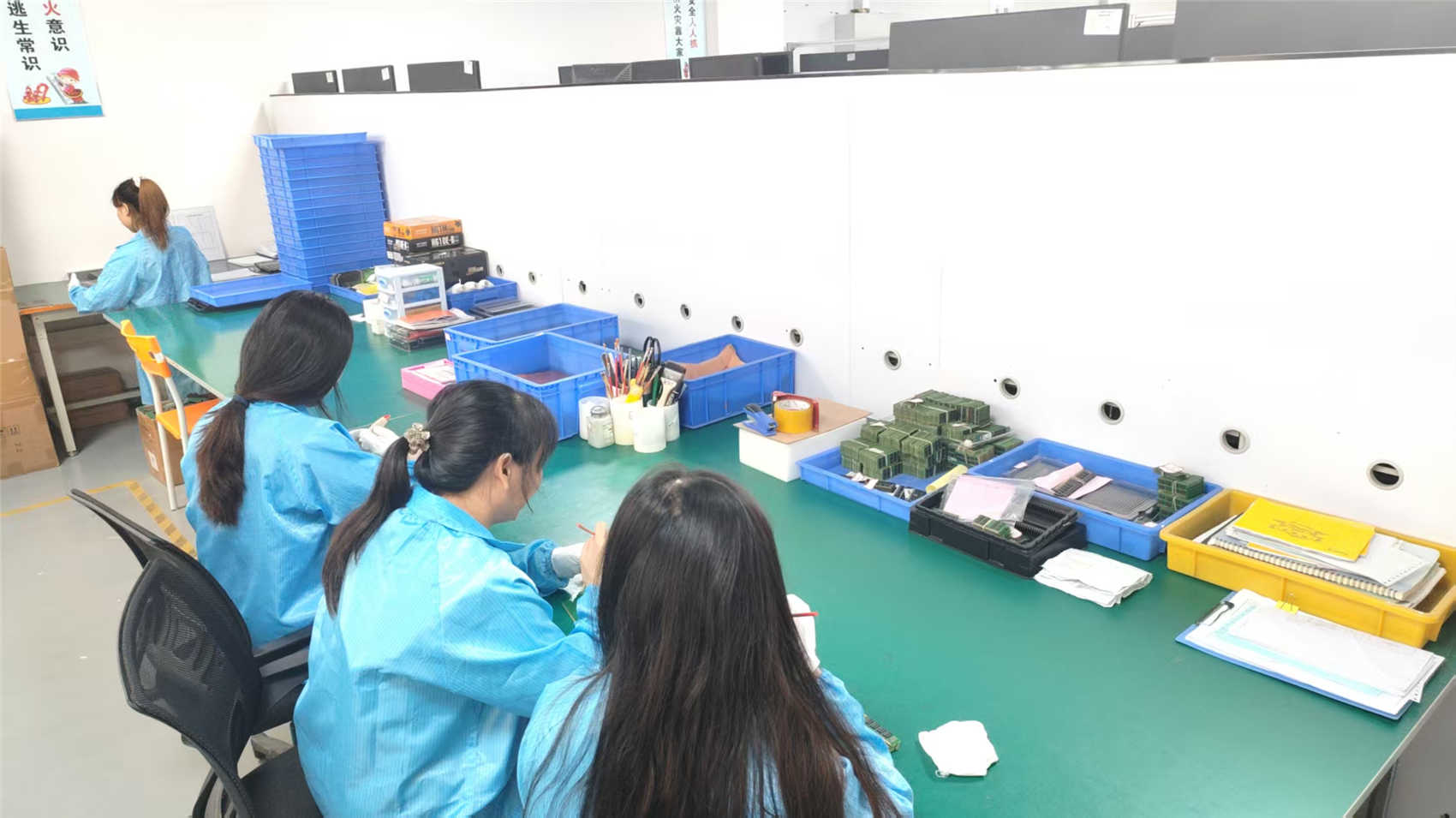
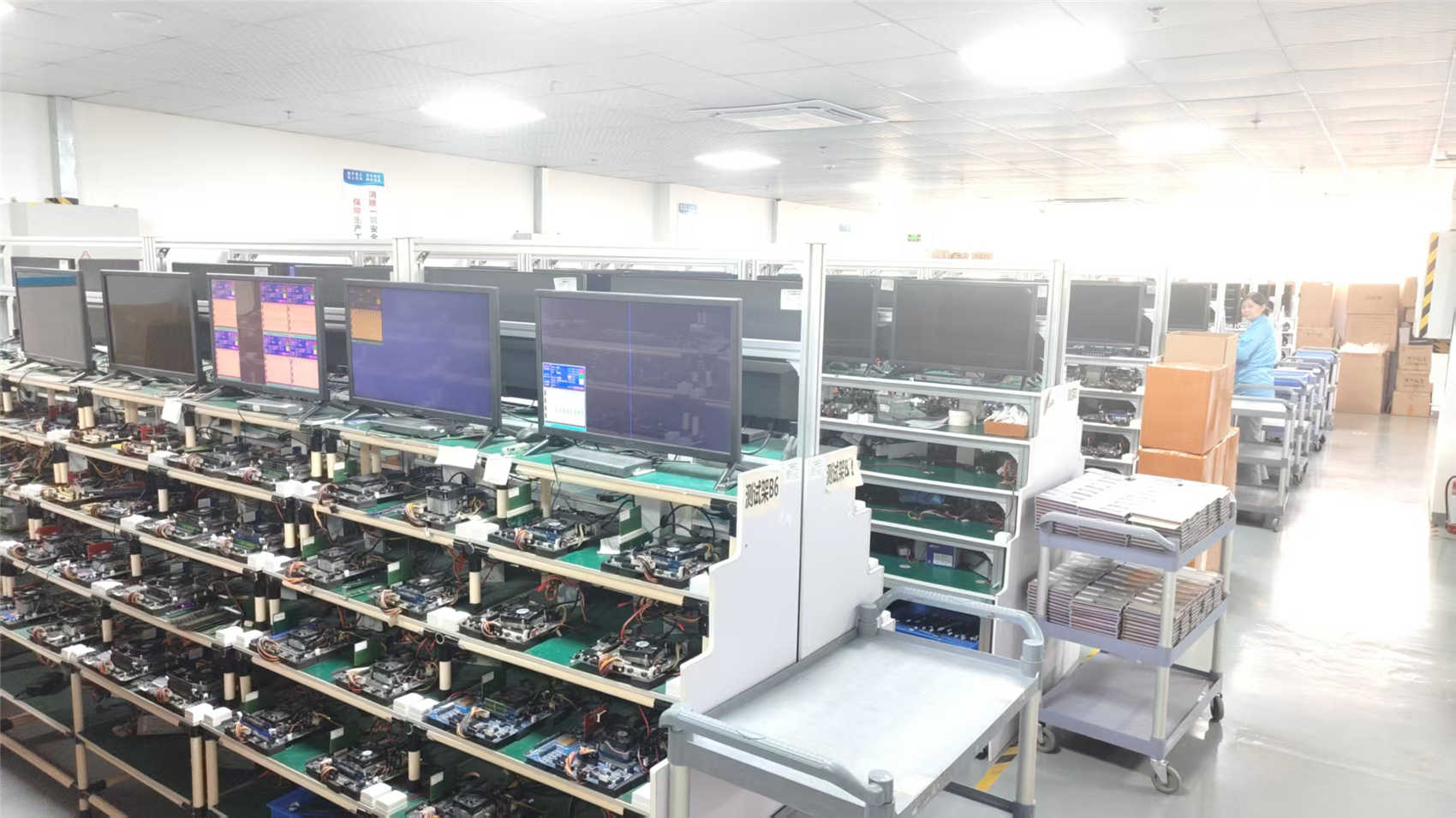
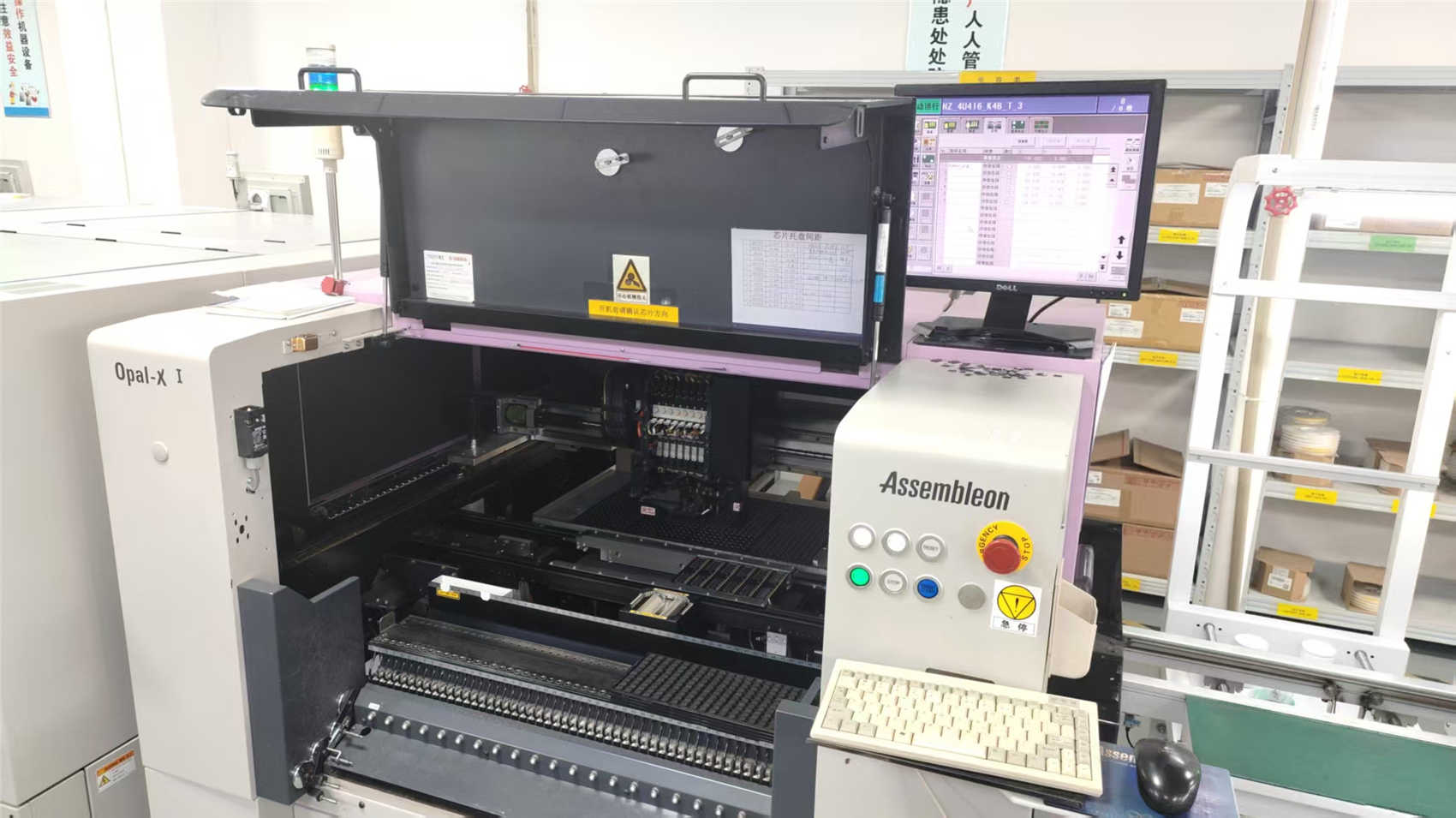
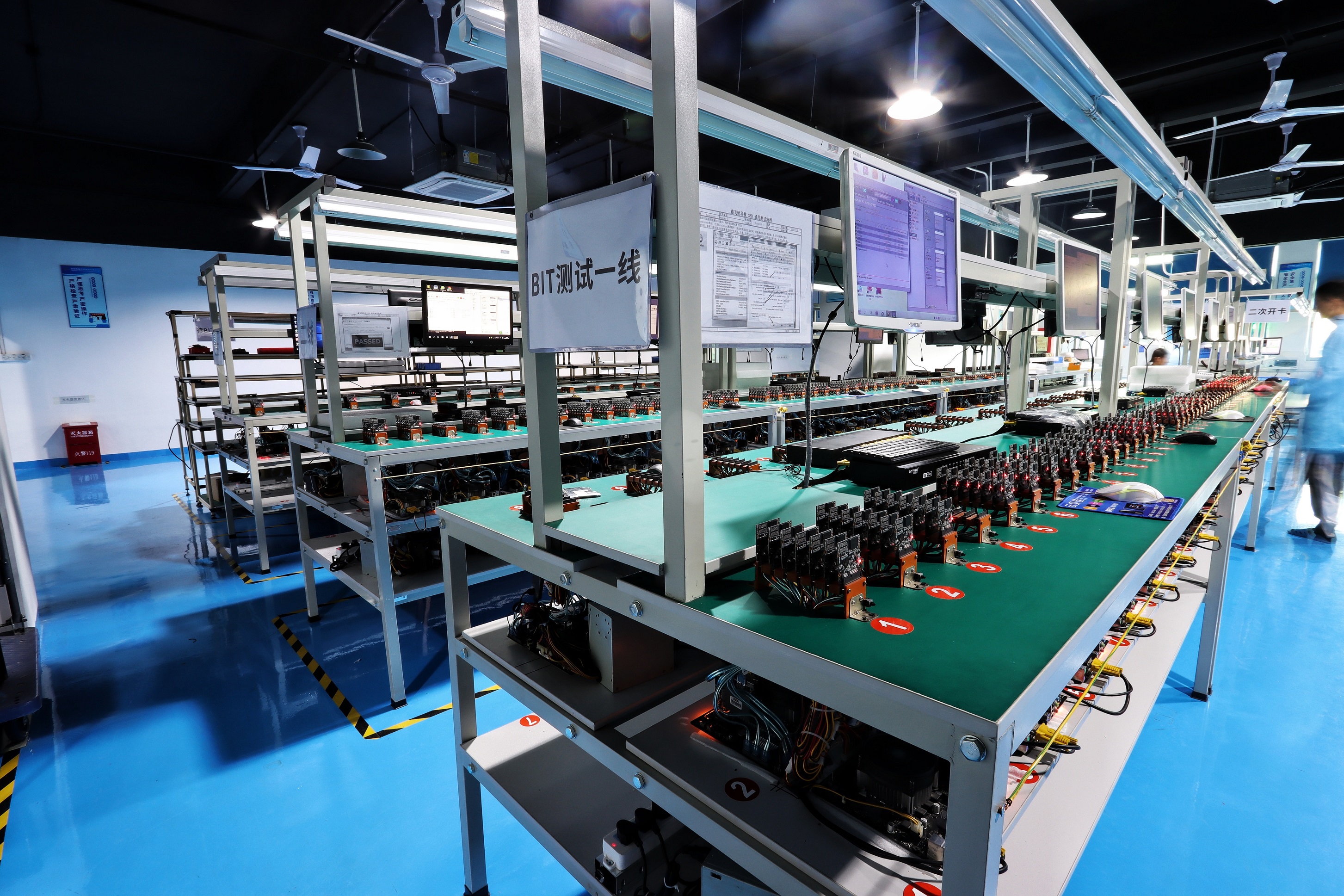
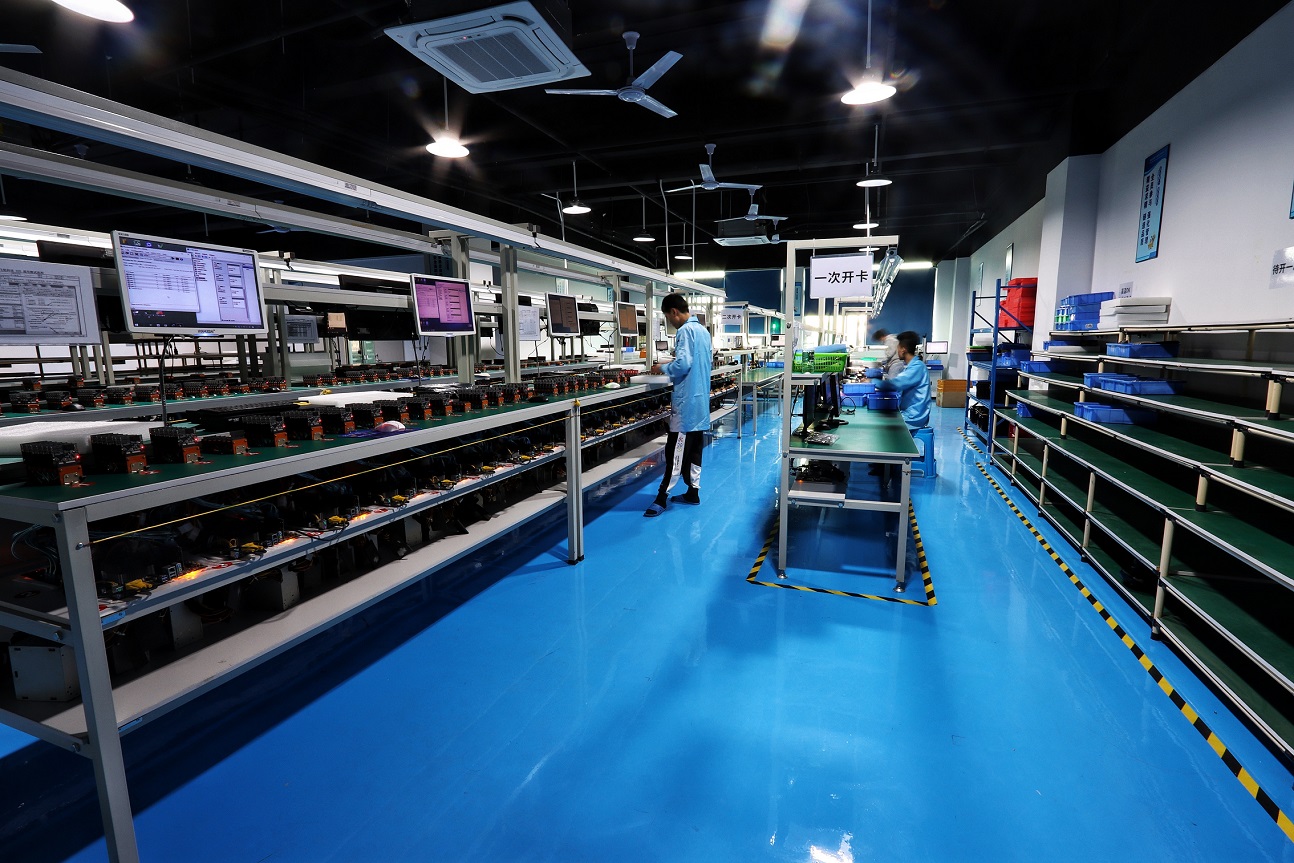
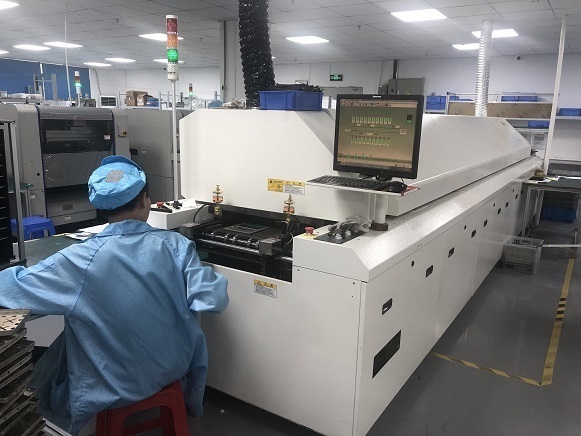
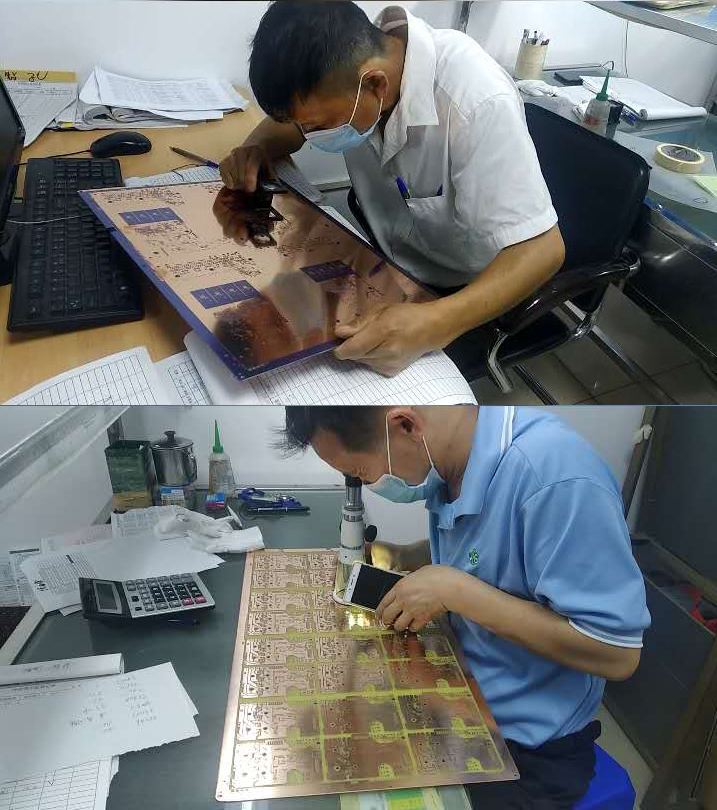
Real-world insights into our rigorous inspection protocols, automated equipment, and high-standard testing fixtures.
Essential design guidelines and engineering considerations for importing thick copper PCBs to Detroit.
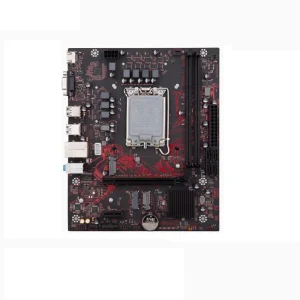
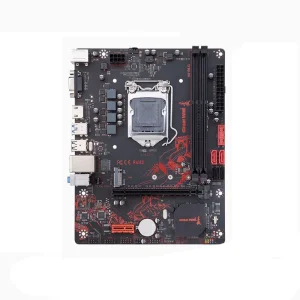
Enterprise and server hardware systems designed to interface with heavy power control networks.