NexaRAM
NexaRAM
NexaRAM
Explore our certified memory configurations, driver boards, and industrial assemblies designed for high durability.
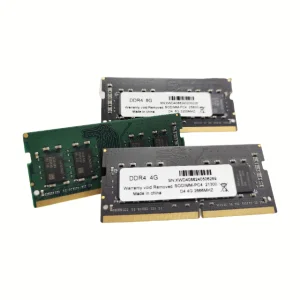
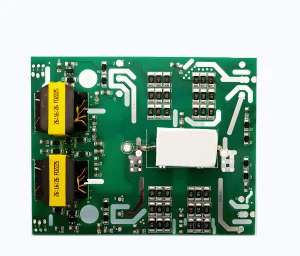
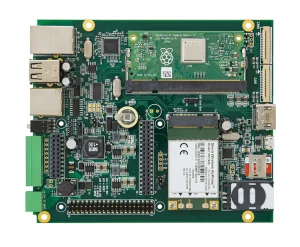
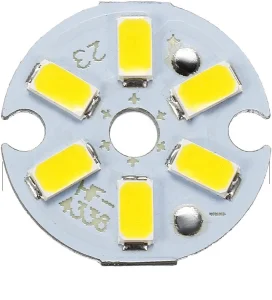
Driving semiconductor innovation through global standard compliance, high-frequency signal tuning, and systematic quality assurance.
NexaRAM Storage Technology Co., Ltd. stands as a professional, forward-thinking manufacturer specializing in high-performance memory modules (DRAM) and integrated electronic component assembly. Established in 2016, the enterprise has spent over 12 years consolidating its industry footprint, developing advanced memory solutions for global OEMs, industrial automation networks, cloud data centers, and enterprise computing architectures.
Operating a specialized Class-100 Cleanroom testing facility and advanced engineering center covering approximately 320㎡, NexaRAM focuses heavily on hardware customization, signal integrity, and thermal validation. To protect critical applications, our QA framework executes 100% automated optical inspection (AOI) alongside rigorous high-temperature dynamic burn-in testing. Backed by 35 expert quality inspectors, this specialized layout has allowed NexaRAM to achieve an annual export revenue of USD 12 million, delivering reliable computing products to system integrators, server builders, and gaming computer brands in North America, Europe, Southeast Asia, and the Middle East.
With an active R&D crew of 180 engineers, NexaRAM released over 120 new product variants in the past year alone. This includes optimized DDR4/DDR5 server and desktop modules, heat dissipation rigs, custom FPC flex interfaces, and bespoke industrial control system board assemblies.
How rigorous verification ensures system stability, electromagnetic compatibility, and risk reduction in international logistics.
Compliance with the CE EMC Directive (2014/30/EU) guarantees that our high-frequency memory modules and industrial boards do not emit disruptive radio frequency interference, while ensuring sufficient immunity against electrostatic discharge (ESD).
For cooling assemblies, driver systems, and power boards operating within specific voltage ranges, our designs comply strictly with LVD (2014/35/EU), protecting users against thermal hazards, insulation breakdown, and electrical shocks.
All component designs strictly restrict the use of hazardous substances in accordance with RoHS (2011/65/EU) and REACH parameters. This prevents contamination by lead, cadmium, or mercury, protecting end-users and enabling easy recycling.
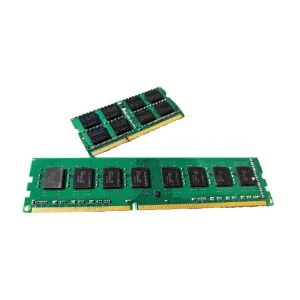
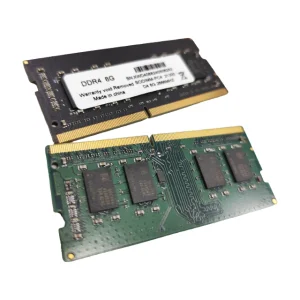
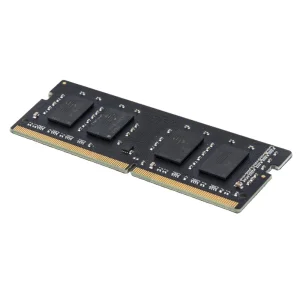
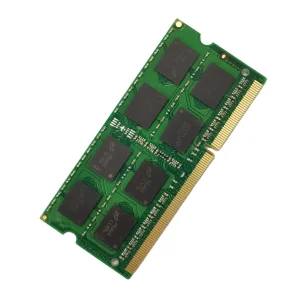
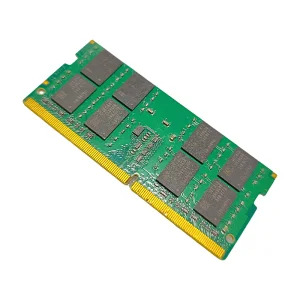
In high-performance industrial computing and enterprise servers, component-level failure can lead to expensive downtime. In the European Union and other Western markets, importing components without verified CE markings can lead to Customs seizures and liability issues for system builders. Choosing CE-certified parts guarantees that every device—whether it is a 3200MHz DDR4 SODIMM or a 350W liquid cooling radiator—adheres to strict safety, health, and environmental standards.
Furthermore, CE compliance indicates advanced design and engineering. Achieving certification requires testing signal reflections in DRAM circuits, evaluating the structural layout of PCB traces, and verifying the insulation of power components. By standardizing these practices, we reduce electrical noise (crosstalk) and improve device longevity under continuous operations.
Leveraging deep industrial clusters, automated manufacturing, and extensive vendor relationships to lower costs and lead times.
By coordinating with over 850 strategic partners, our procurement network gains direct access to tier-one DRAM silicon (Samsung, SK Hynix, Micron), copper materials, polyimide substrates, and PCB raw plates. This structural integration shields production schedules from market fluctuations and raw material shortages.
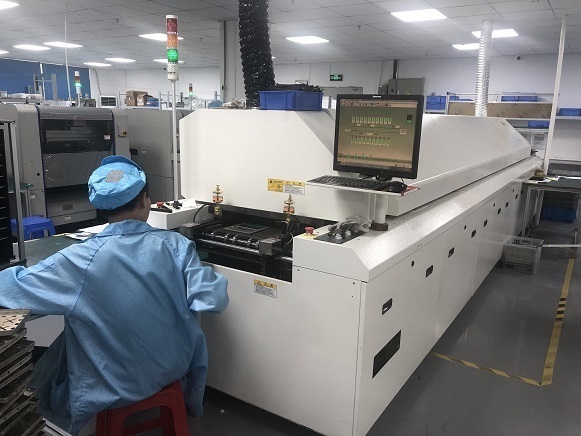
Our infrastructure supports fast iterations, moving from initial Gerber files and BOM validation to prototype SMT patch assembly within 48 to 72 hours. Our factories can seamlessly scale from low-volume custom runs to massive industrial batches.
In electronics manufacturing, delay at any stage can pause the entire line. By maintaining close ties with local packaging, testing, and component logistics facilities, NexaRAM ensures components are built, verified, and shipped quickly. This gives our global partners a distinct competitive edge.
How enterprise buyers mitigate component volatility, secure material traceability, and balance price with performance.
Procurement teams at system integrators, industrial manufacturing plants, and cloud server systems face complex sourcing challenges daily. Some of the primary concerns include:
To address these challenges, NexaRAM implements a thorough screening and design support workflow. Our 35 QC inspectors verify each incoming DRAM shipment via automatic die sorting and binning. For thermal designs, our engineering team runs detailed thermal simulations. This ensures our heatsinks and liquid coolers fit standard server racks while maintaining safe operating temperatures.
The shift to DDR5, high-power cooling requirements, and flexible, space-efficient circuit systems.
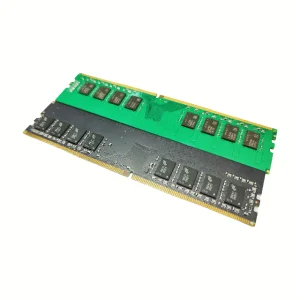
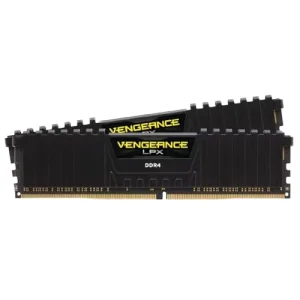
DDR5 memory modules double the bandwidth of DDR4, moving operating frequencies from 3200MHz up to 4800MHz and 6400MHz. By moving Power Management ICs (PMICs) onto the module itself, DDR5 provides improved power efficiency and system-level control.
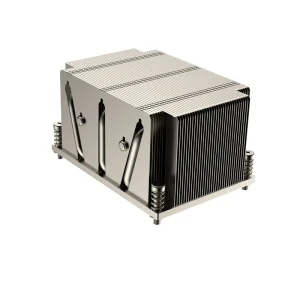
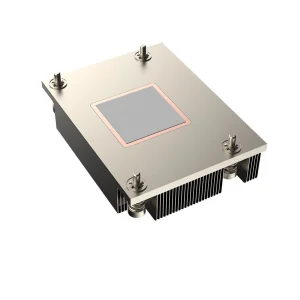
As microprocessors shrink and heat densities rise, passive air-cooling is giving way to direct-contact copper heat pipe arrays and customized liquid loop plates capable of dissipating up to 350W. This protects dense 1U/2U server enclosures from thermal throttling.
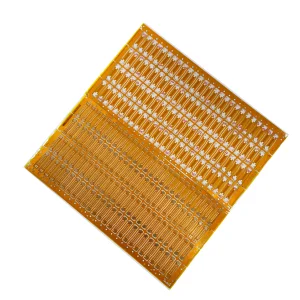
Modern mobile, medical, and handheld systems require lightweight, flexible connection routes. Polyimide-based flexible PCBs (FPC) allow high-density trace routing in tight spaces, offering dynamic bendability and excellent thermal resistance.
How our memory, PCBA designs, and cooling systems integrate into specific, high-demand industrial sectors.
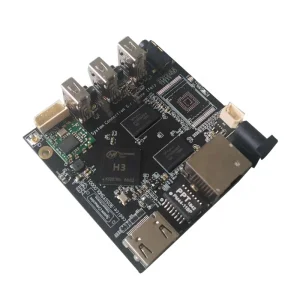
Custom Raspberry Pi motherboards and durable inverter driver boards (like the ZX7-315) are built to withstand high temperatures and vibration in industrial settings.
ECC DDR4 memory combined with 1U/2U copper heatsinks and liquid loops ensures data accuracy and limits thermal issues in 24/7 hosting environments.
Single and dual-layer flexible PCBs (FPC) provide reliable signals in space-constrained wearables, keyboards, and consumer electronics.
SMD light boards, custom set-top box PCBAs, and high-frequency desktop memory modules help OEMs scale production without quality compromises.
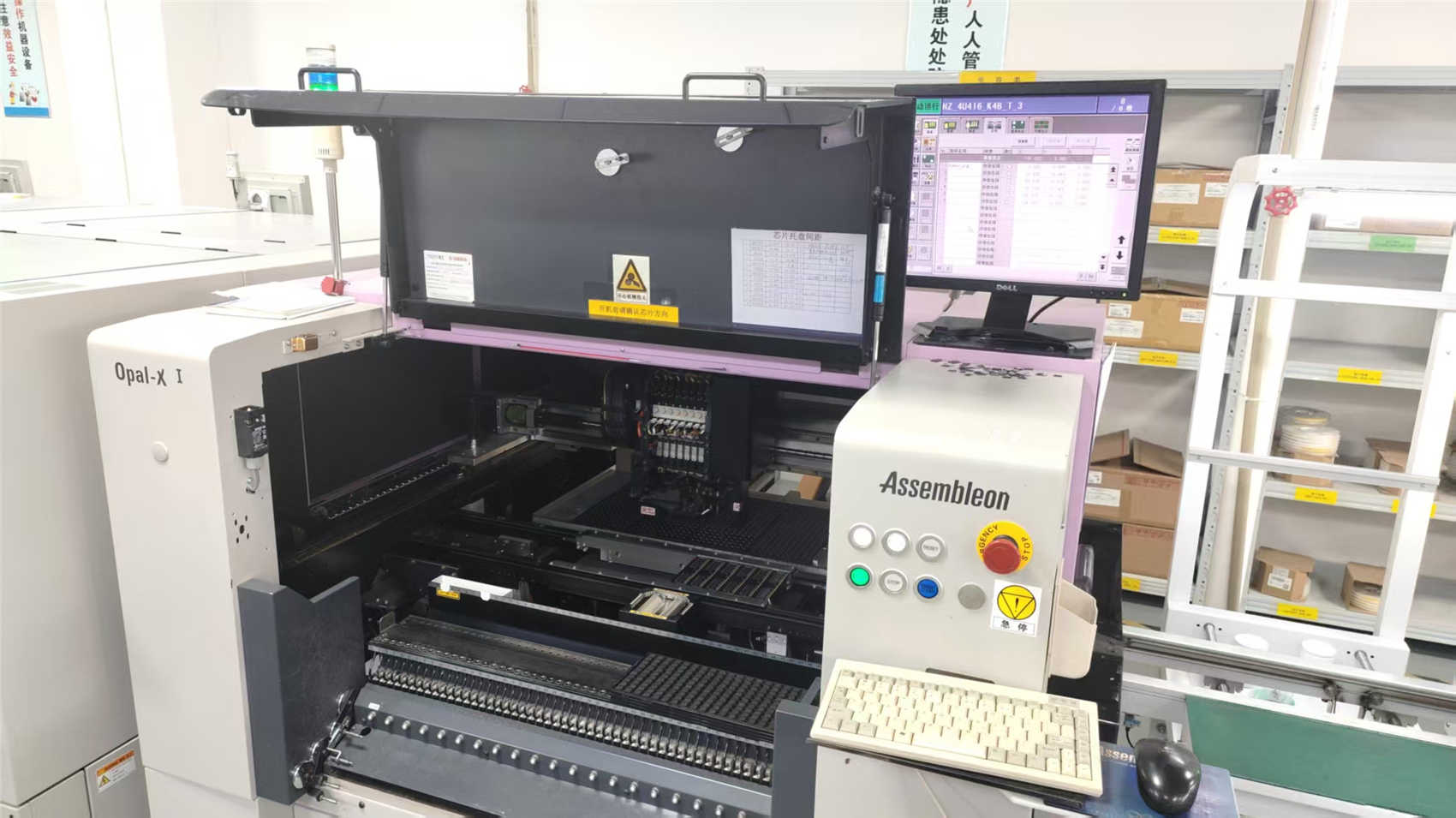
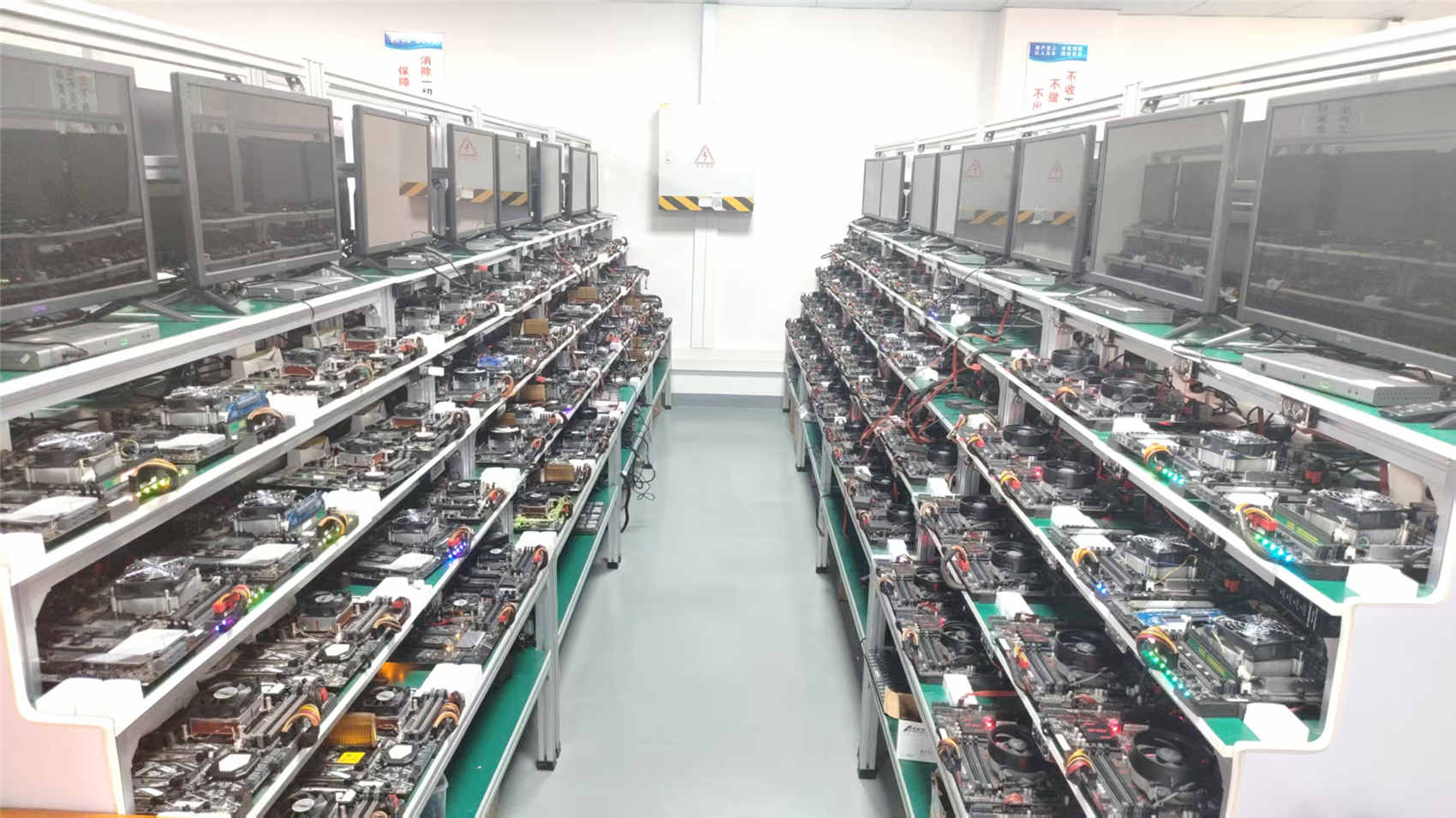
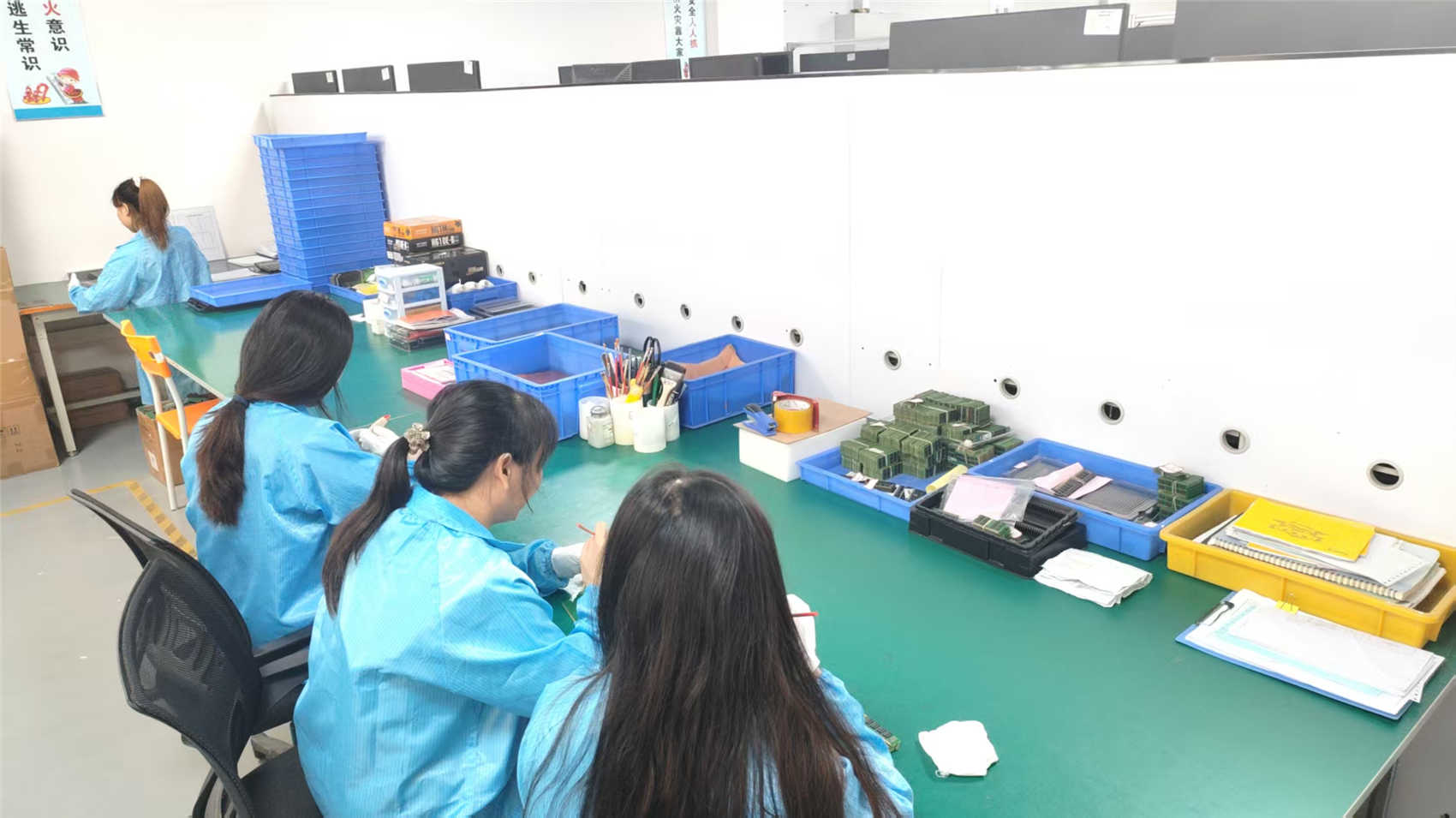
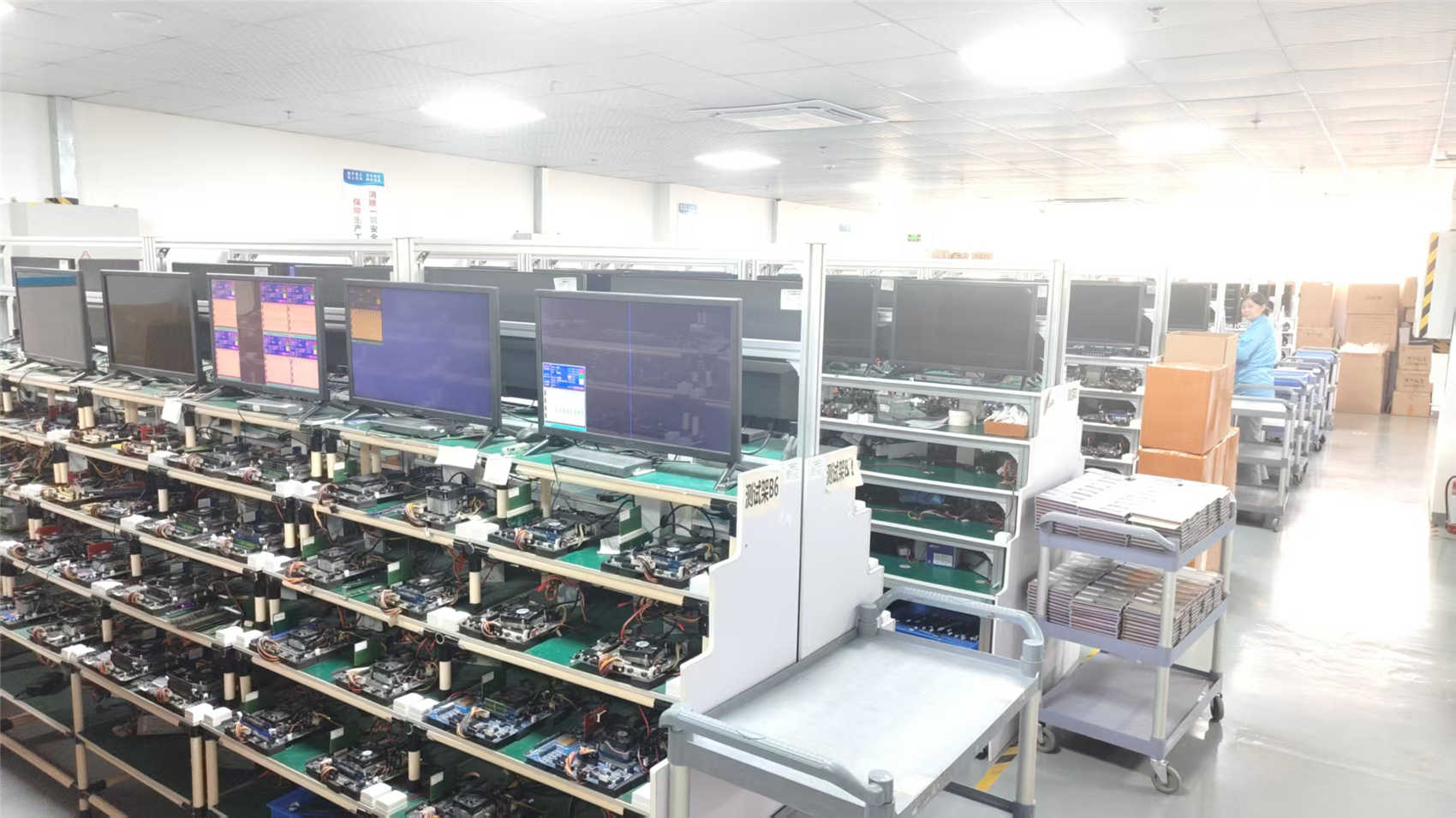
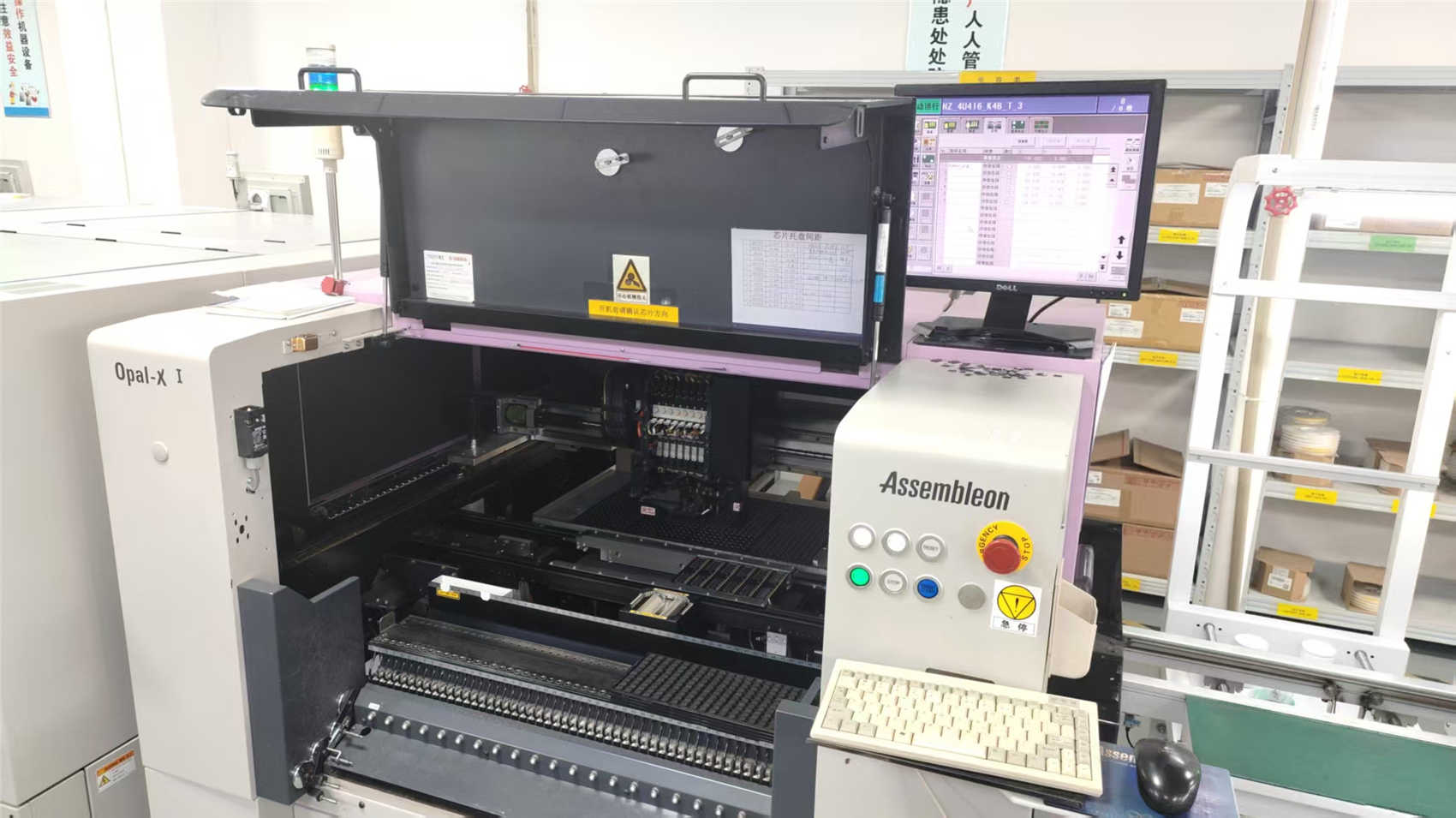
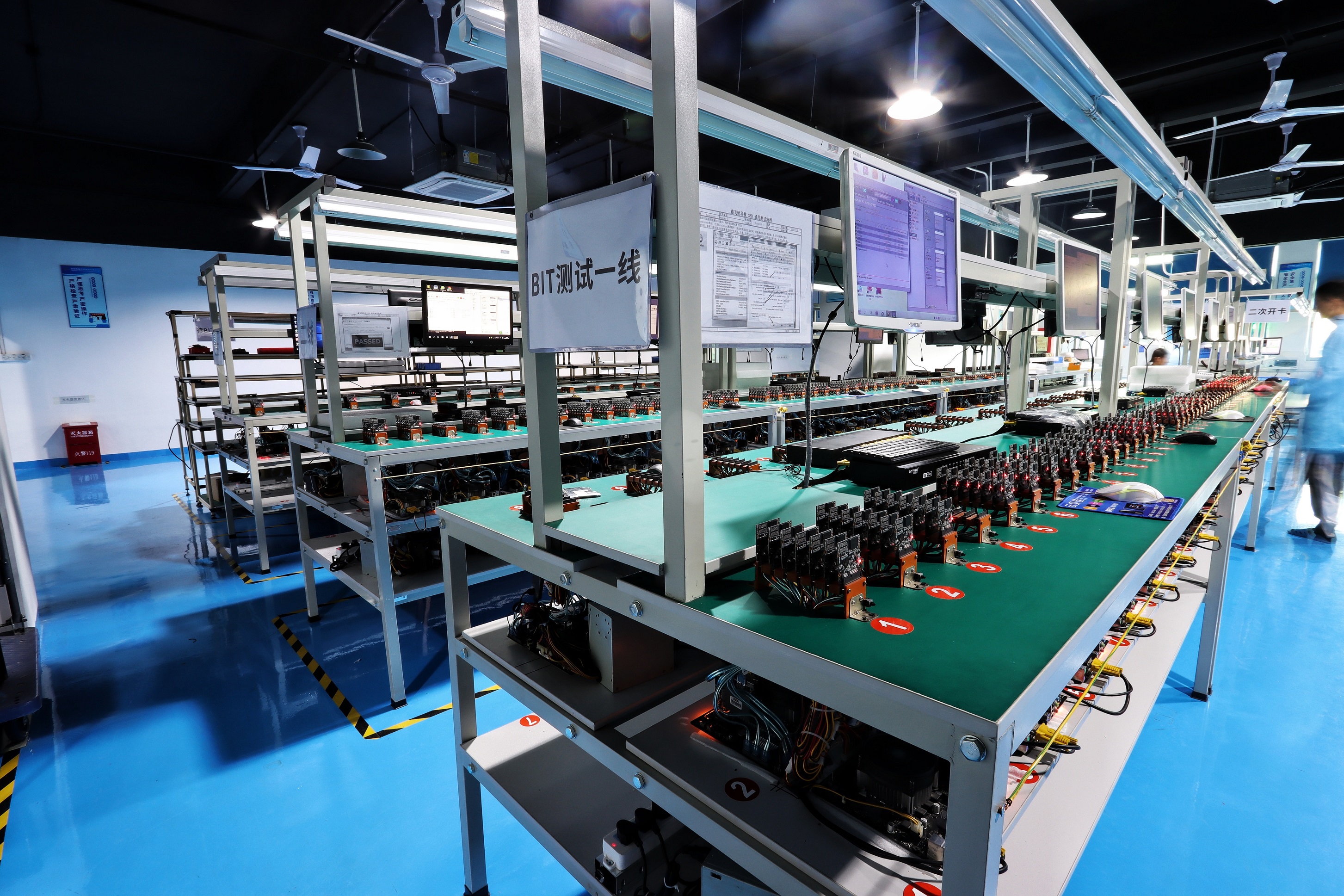
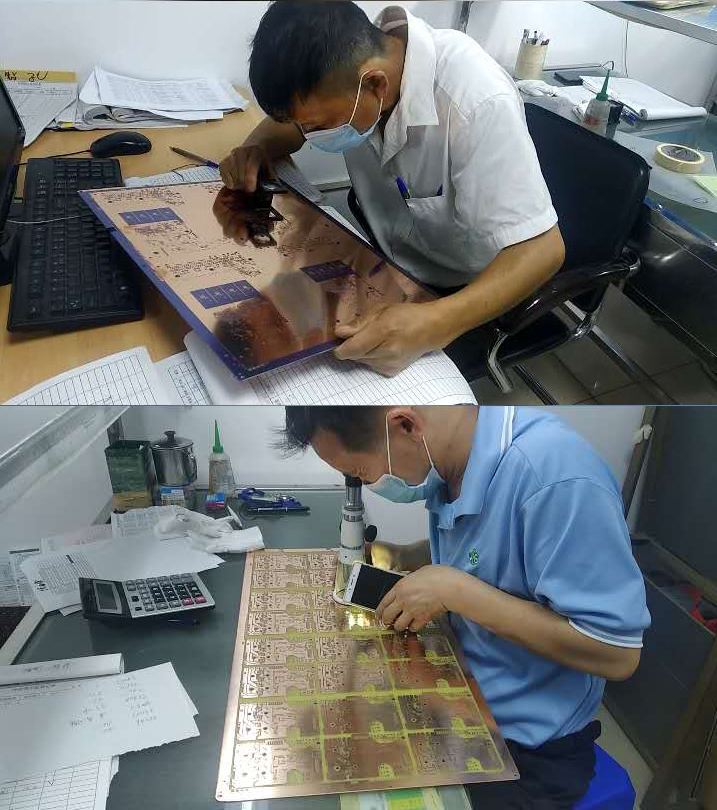
A closer look at our quality control processes, diagnostic equipment, and production workflow.

Technical answers to common questions about certifications, production capacity, design capabilities, and thermal solutions.
Our PCBA manufacturing processes adhere to the IPC-A-610 standards. For CE compliance, we conduct comprehensive EMC (Electromagnetic Compatibility) and LVD (Low Voltage Directive) pre-compliance tests at our facility. We work with accredited third-party labs to issue valid declaration of conformity certificates for European markets.
Every memory module undergoes a strict multi-tier quality control process. We start with automated optical inspection (AOI) to check the integrity of SMT joints. Next, we run high-temperature dynamic burn-in testing on advanced testing rigs, followed by system compatibility checks on real-world motherboards to verify speed and latency stability.
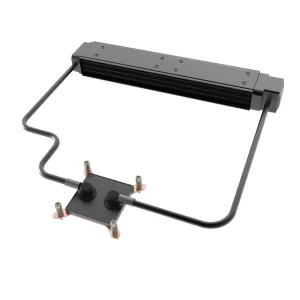
Yes, our R&D engineering team designs thermal solutions to match specific thermal resistance requirements (Rjc) and space limitations. We specialize in passive copper-base heatsinks, aluminum-sheet structures, direct-contact heat pipes, and high-performance liquid radiators handling up to 350W TDP.
For new PCBAs (such as industrial control boards or custom driver units), prototype fabrication and SMT patch assembly take 3 to 5 business days after design approval. Mass production lead times range between 2 and 4 weeks, depending on component availability and batch sizes.
Our close relationships with over 850 strategic partners give us early allocation information and steady supply pipelines for major integrated circuits (ICs), high-grade passive components, and raw copper plates. This minimizes lead time extensions and allows us to offer competitive pricing even during global supply shortages.
ECC (Error-Correcting Code) memory features an extra chip that detects and corrects single-bit memory errors on the fly. This prevents data corruption and sudden system crashes, making ECC memory vital for critical servers and workstations. Standard desktop modules focus on speed and latency for general consumer and gaming systems.
Flexible PCBs (FPC) require careful handling due to their thin polyimide layers. We utilize automated reel-to-reel processing, controlled vacuum lamination, and precision laser cutting to prevent micro-cracks. We check alignments via high-resolution optical inspection to ensure trace integrity across flex zones.
We support customization across memory frequency, latency settings (XMP/EXPO profiles), PCB layer count, thermal spreader designs, and custom logos. Our engineers optimize PCB trace layouts to maintain clean signals under heavy overclocking conditions.
Explore our selection of flexible circuits, server ECC memory, laptop modules, and high-performance radiators.