NexaRAM
NexaRAM
NexaRAM
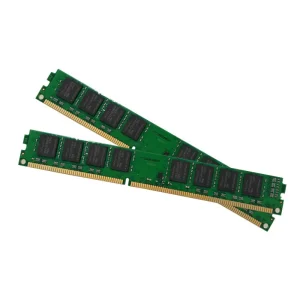
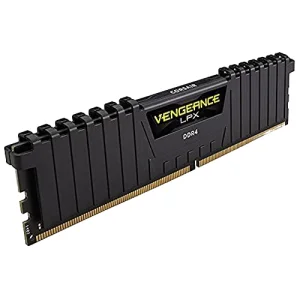
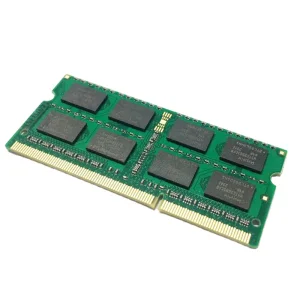
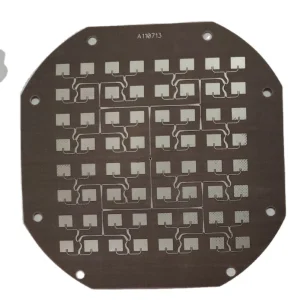
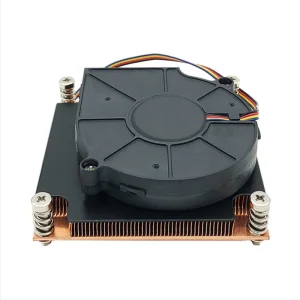
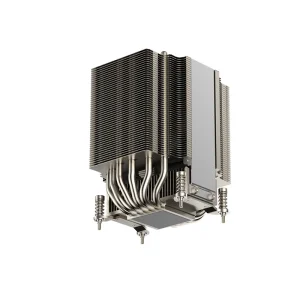
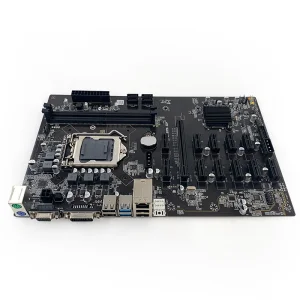
In the digital-first era, high-reliability enterprise platforms, edge servers, and high-performance computing (HPC) nodes require storage architectures that minimize packet losses, reduce latencies, and maintain extreme operational resilience. Industrial RAM (Random Access Memory) operates under distinct criteria contrasted with standard consumer memory. It must withstand extreme temperature ranges, high levels of vibration, relative humidity variation, and continuous 24/7/365 thermal cycling.
As the transition from DDR4 memory modules to advanced high-speed DDR5 standards gains momentum worldwide, procuring managers must systematically align with manufacturers who command deep supply-chain access, state-of-the-art testing pipelines, and agile customized product engineers. This whitepaper analyzes the key structural benchmarks of Chinese industrial RAM manufacturing, looking specifically at NexaRAM Storage Technology Co., Ltd. as a representative of advanced manufacturing capabilities.
NexaRAM Storage Technology Co., Ltd. provides robust enterprise architecture backing. Our data is audited, structured, and certified to meet modern security and functional expectations.
China remains the epicenter of the global semiconductor supply chain ecosystem. Industrial RAM manufacturing in China is not merely about manual assembly; it is characterized by complete cluster optimization. When buying at wholesale scale, companies receive the following advantages:
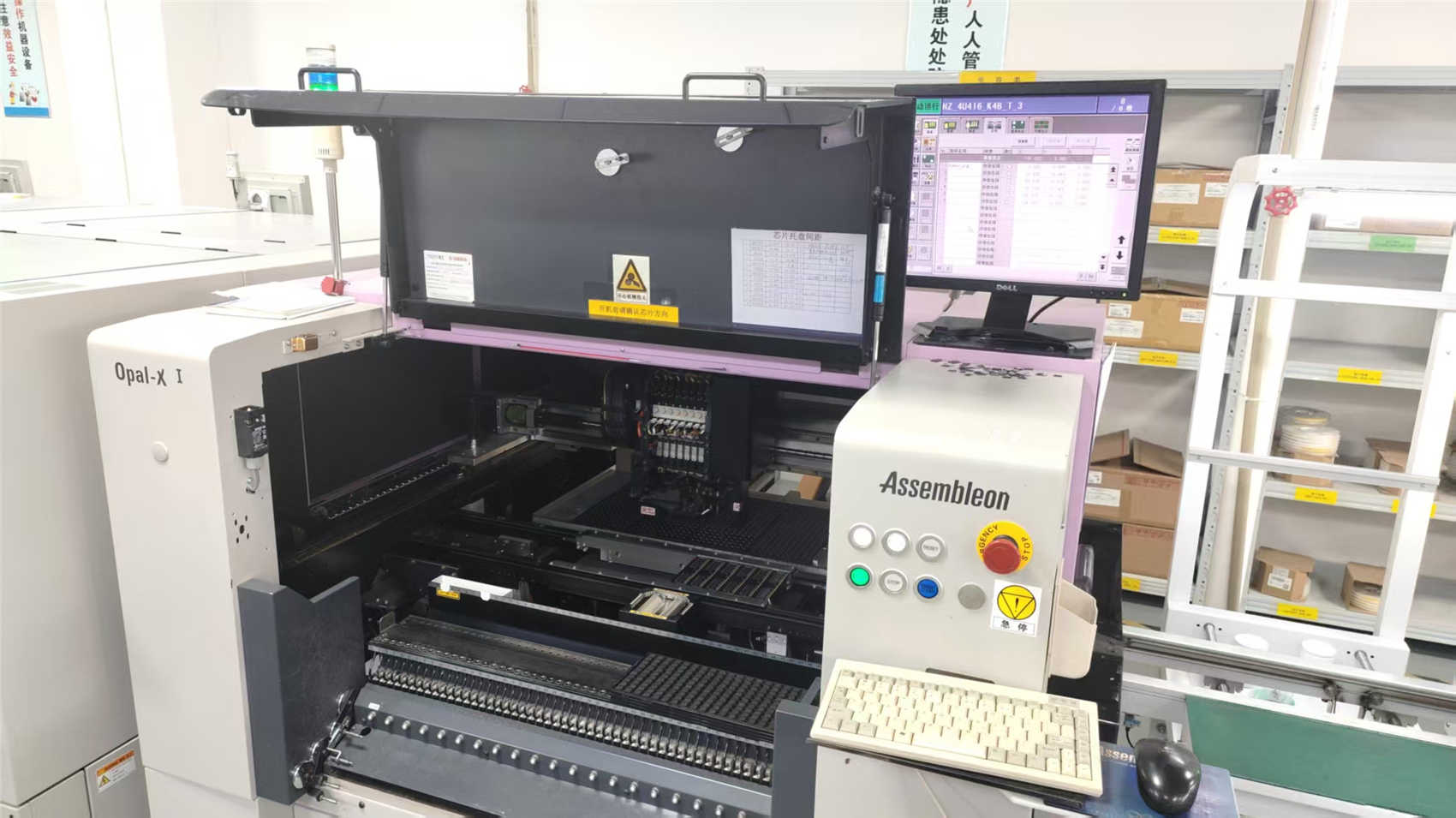
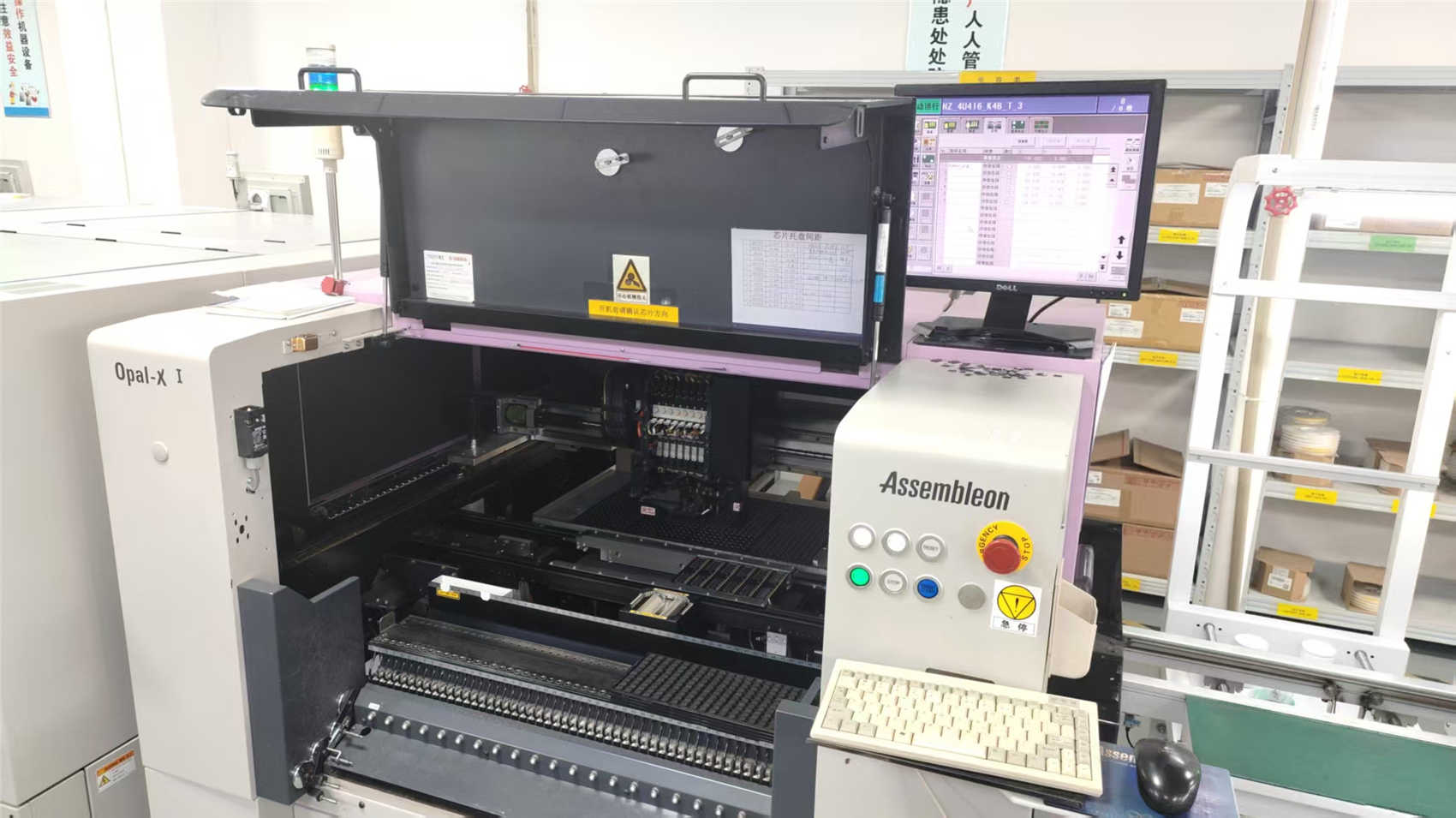
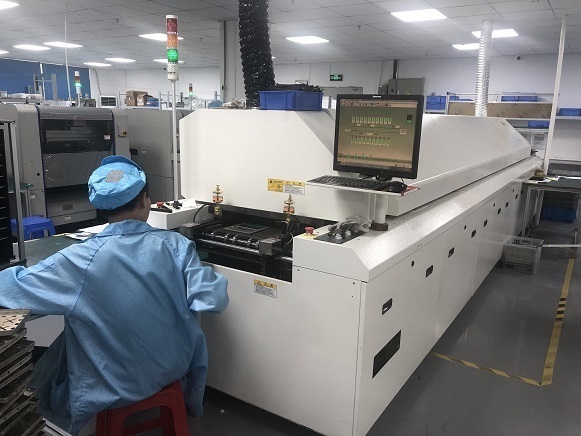
High-speed SMT (Surface Mount Technology) assembly lines allow accurate placement of DRAM chips, PMICs, and passive components, minimizing thermal stress on silicon.
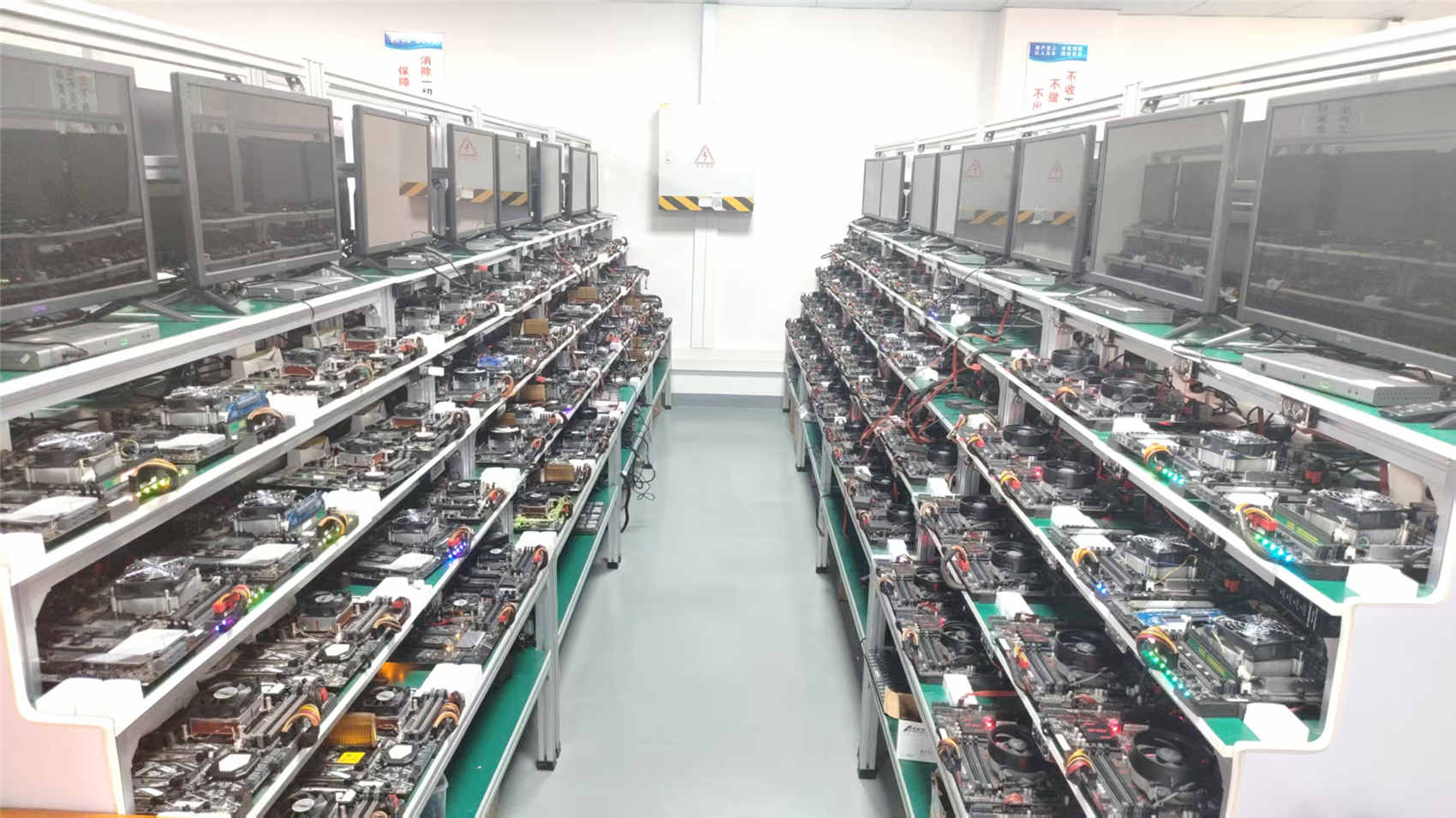
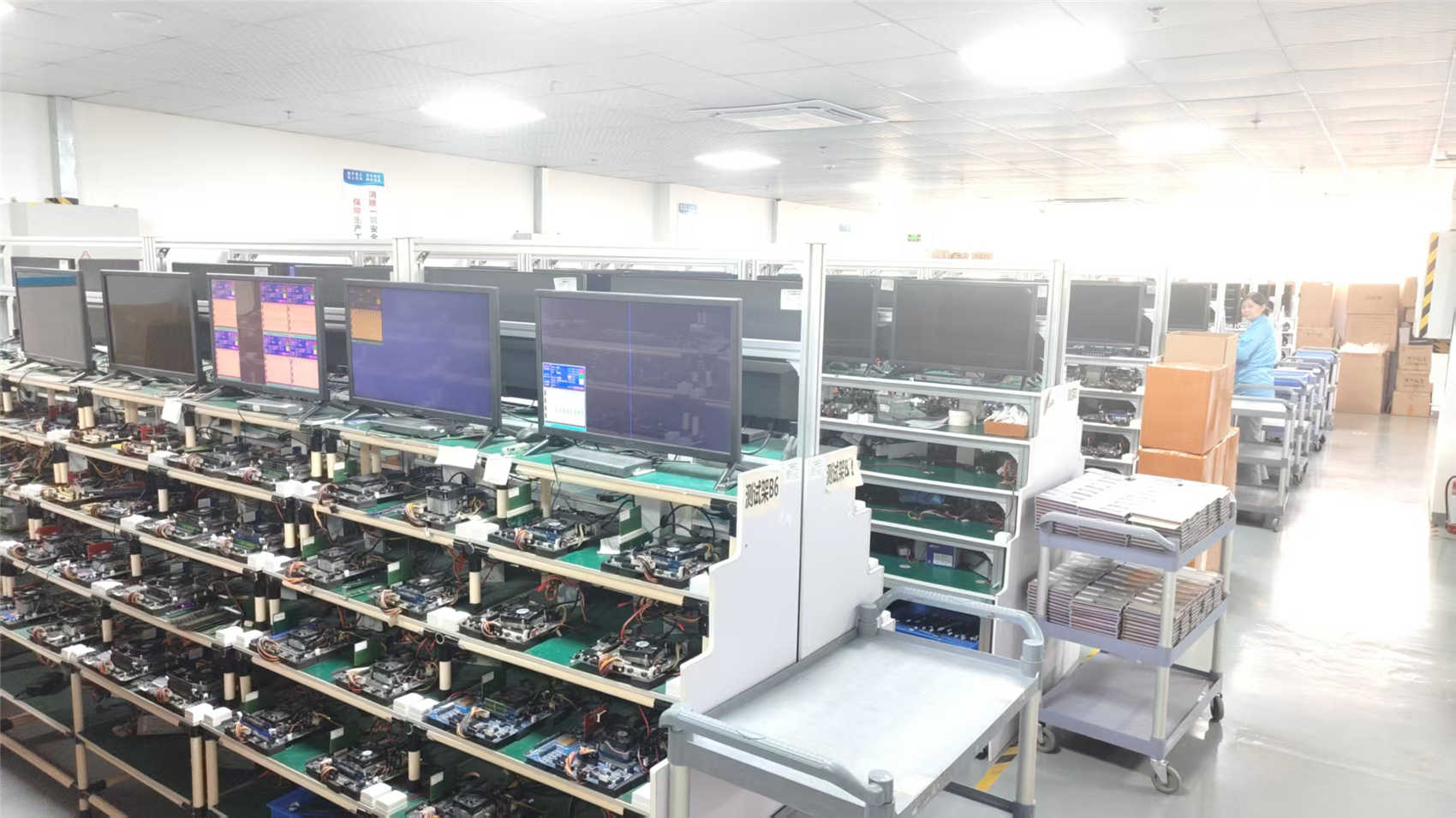
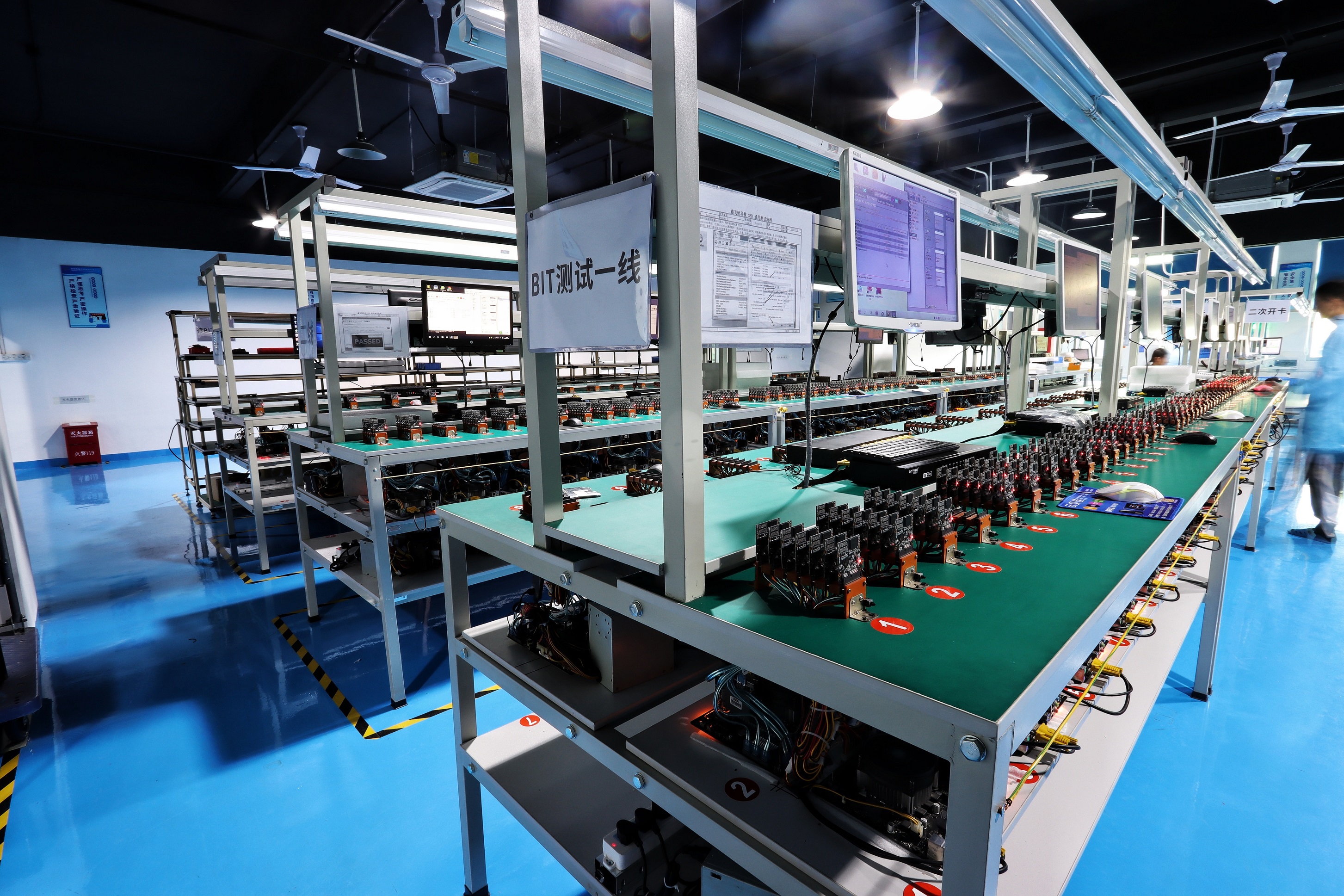
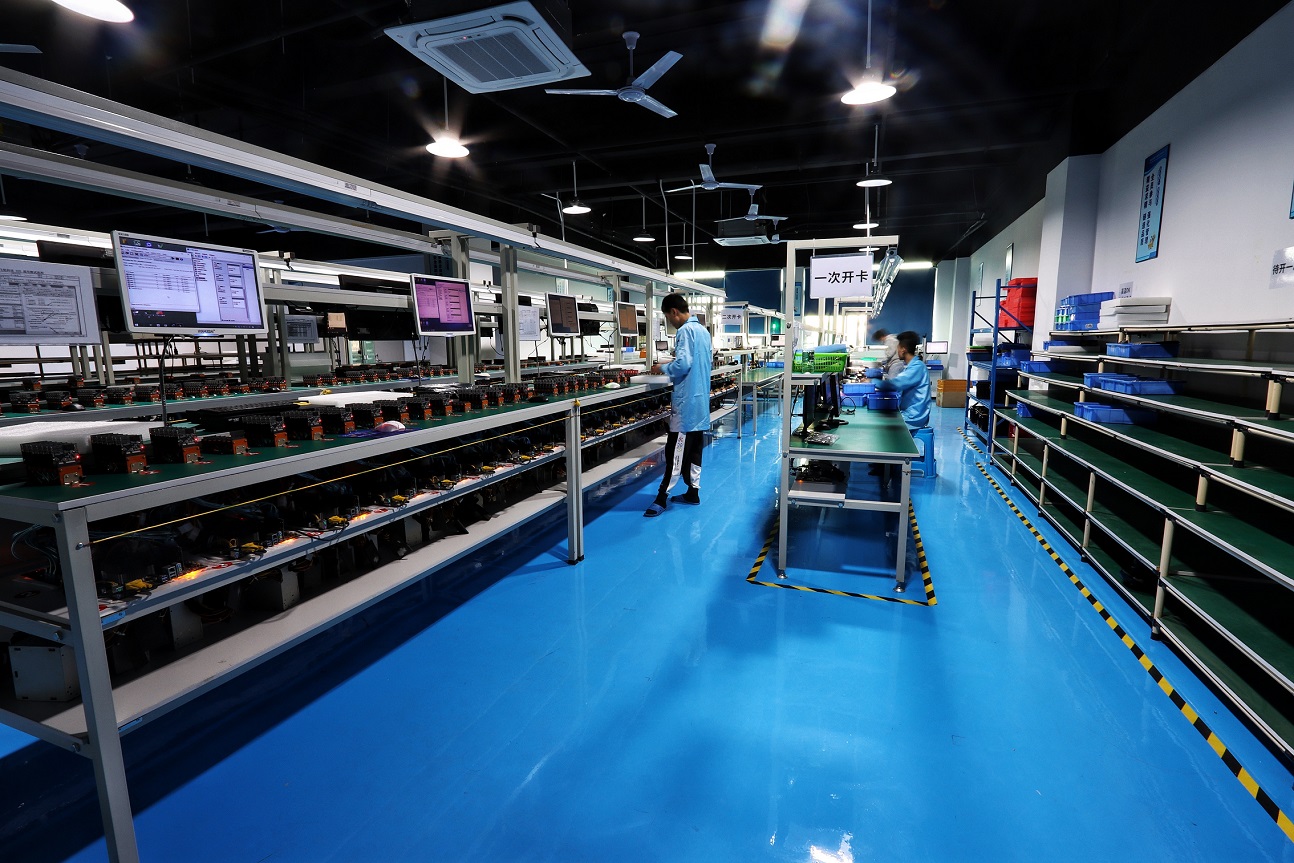
Use of dynamic Burn-In chambers, Automated Optical Inspection (AOI), and electronic testing jigs ensures that unstable modules are filtered out before export.
Direct supply line access to raw substrates, including high-frequency laminates, Taconic materials, aluminum heat spreaders, and high-conductivity copper.
Because of the density of supply chain partners, companies like NexaRAM can source premium original silicon dies (Samsung, Micron, SK Hynix) and match them with reliable PCB substrates and thermal management mechanisms. The proximity to regional testing nodes, validation facilities, and massive deepwater shipping ports guarantees minimized shipping cycles and agile product adaptation.
From high-frequency PCBs using specialized laminates like Taconic TLY-5 to advanced aluminum substrates, China's hardware manufacturing hubs support rapid prototyping of multi-layer PCBs (from 8-layer desktop designs up to complex 12-layer server boards). By consolidating memory controller modules, advanced passives, and active thermal heat spreaders into singular development zones, the design-to-production lifecycle is cut by up to 60% relative to traditional Western fabrication processes.
The memory sector is undergoing a transition. DDR4 is still highly relevant for legacy and cost-sensitive industrial platforms, while DDR5 is expanding rapidly across AI workloads and data center environments. Let us analyze the distinct features of these structural generations:
These structural upgrades ensure that modern industrial computers can execute high-reliability calculations without unexpected kernel panics, data corruption, or memory leaks. For applications demanding continuous execution, such as smart grids, medical imaging machines, and telecommunications towers, this transition to industrial-grade memory modules is essential.
Industrial memory is used in various computing sectors. The specific operational demands dictate the sub-class of memory module required for the job:
In automotive assembly plants and high-speed pick-and-place lines, control computers are subject to continuous physical vibration. Standard desktop RAM can suffer contact point oxidation or physical dislodging. NexaRAM’s industrial SODIMMs with gold-plated pins and conformal coatings prevent corrosion caused by humidity, airborne chemicals, and physical particulate matter.
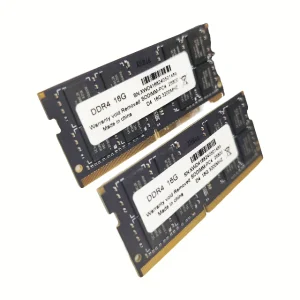
Router modules, edge gateways, and firewall servers processing high volumes of network traffic need constant access to low-latency memory buffer pools. Here, high-density DDR4 modules (such as 16GB and 32GB 3200MHz varieties) provide an optimal balance of throughput and thermal stability, ensuring steady package routing over extended service lifetimes.
Digital signage boards exposed to external elements experience severe thermal shifts (ranging from sub-zero winter temperatures to high summer heat inside metal enclosures). Industrial RAM tested in wide-temperature environments (-40°C to +85°C) prevents memory crashes, screen distortions, and system hang-ups.
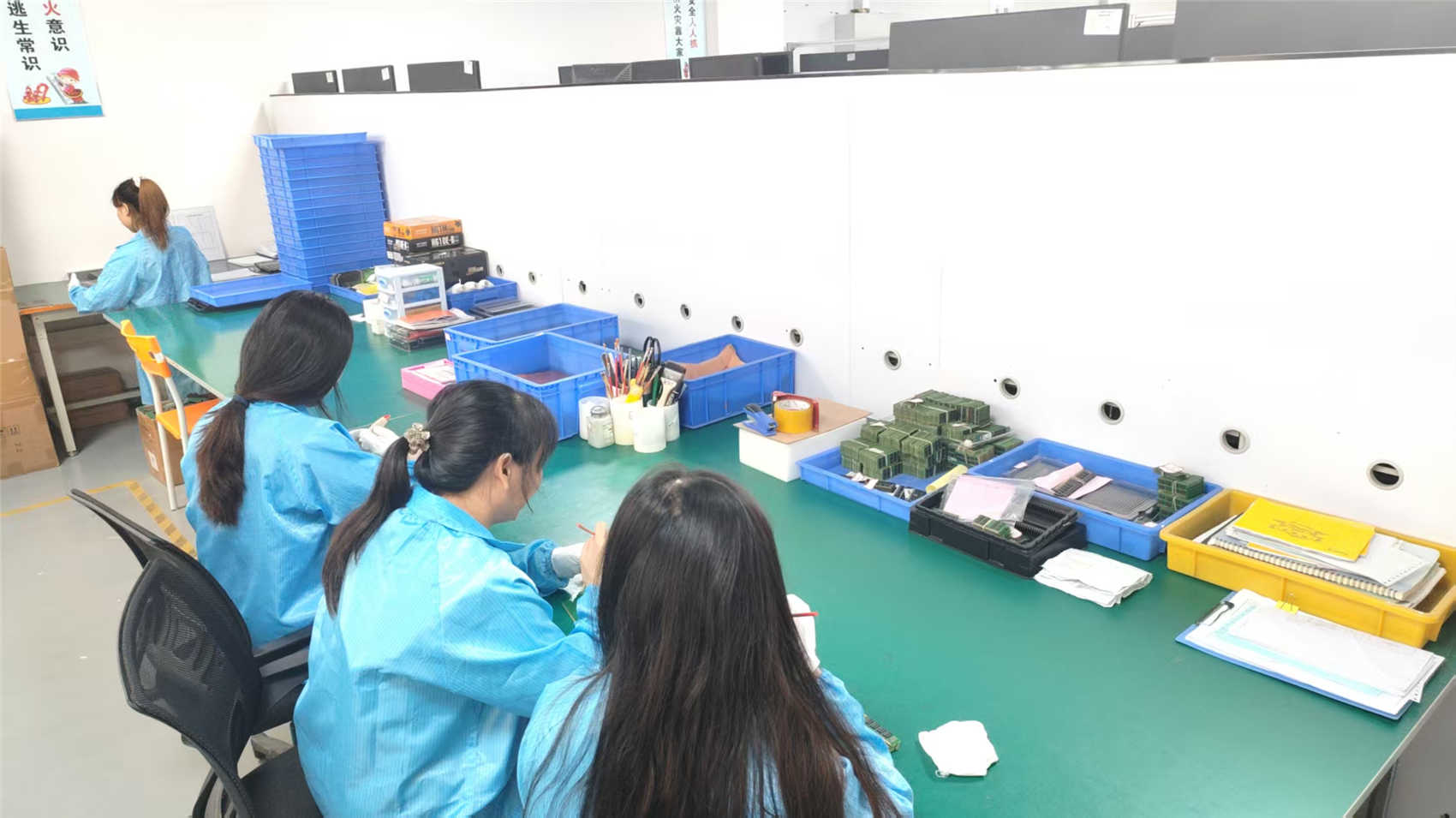
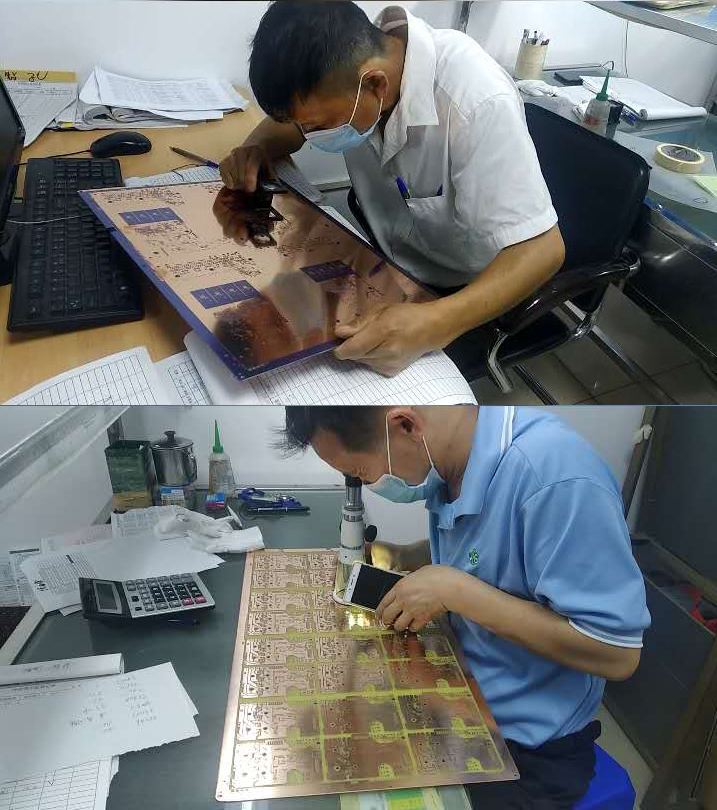
A look inside NexaRAM’s facility highlights the quality assurance workflow required for industrial-grade memory. Every step in the assembly and testing pipeline is documented, tracked, and validated to ensure reliability.
Procuring industrial components requires balanced evaluation of supplier capabilities, compliance certifications, and lifecycle support plans:
By establishing a clear, multi-tiered qualification process, procurement managers can secure consistent component supply lines and minimize costly field failures.
Common queries from purchasing managers, engineers, and supply chain operators regarding wholesale industrial memory modules: