NexaRAM
NexaRAM
NexaRAM
Reliable components powering industrial control, thermal dissipation, and data processing across high-efficiency energy management nodes.
Analytical breakdown of industrial hardware requirements, local regulations, and global supply chain integrations in the net-zero era.
Global decarbonization efforts and the rapid deployment of renewable energy technologies have forced a paradigm shift. Modern Energy Management Solutions (EMS) are no longer merely passive monitoring systems. Instead, they are active, dynamic networks powered by edge intelligence, advanced power electronics, and real-time data processing.
At the heart of these architectures are robust hardware systems: from photovoltaic inverters converting solar DC power to grid-stabilized AC power, to edge IoT gateways parsing power load metrics, and high-availability servers running predictive AI workloads. If the physical hardware layer fails due to thermal degradation or component latency, the software dashboard is rendered useless.
As a leading hardware infrastructure provider, NexaRAM Storage Technology Co., Ltd. sits at the nexus of this revolution. With over a decade of DRAM, PCBA design, and cooling solution engineering expertise, NexaRAM supplies critical components that enable the world's leading EMS providers to deliver uninterrupted energy tracking and distribution.
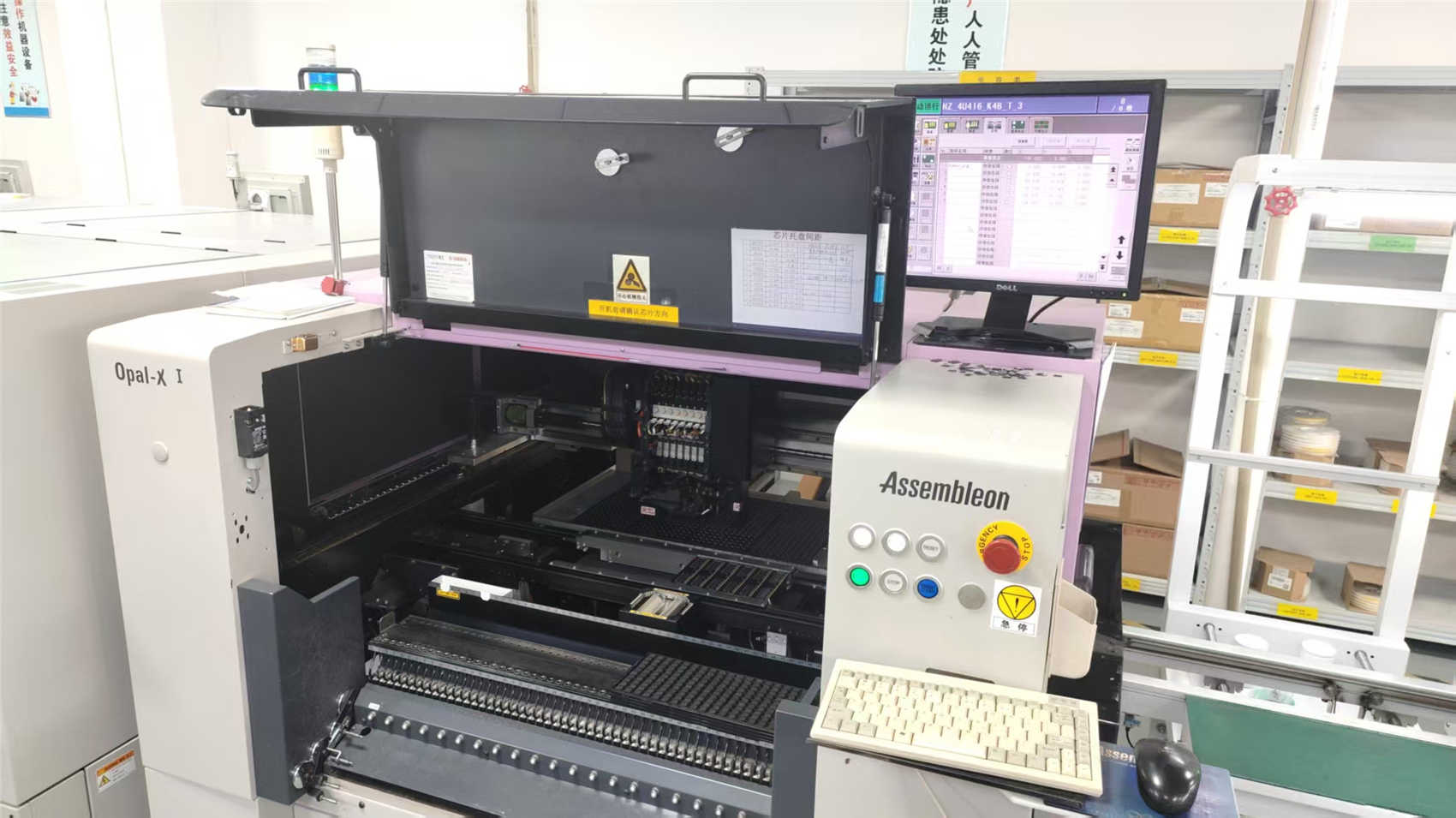
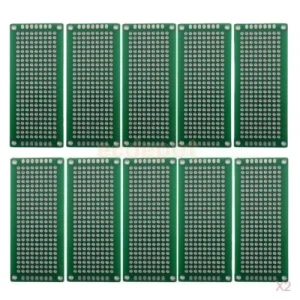
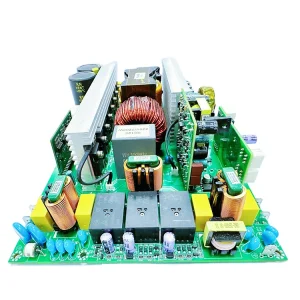
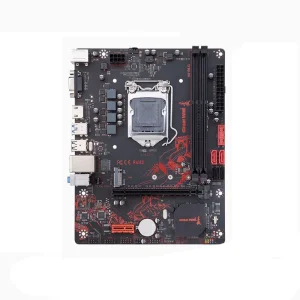
Photovoltaic (PV) inverters and battery storage modules require high-frequency switching and exceptional thermal resilience. Using multilayer PCBs with strict impedance matching ensures zero transmission loss in power conversion modules.
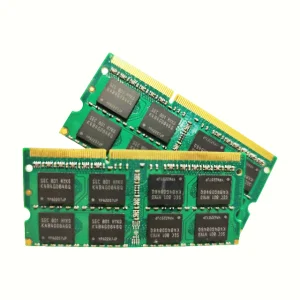
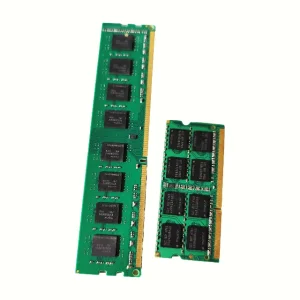
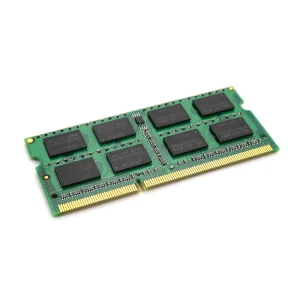
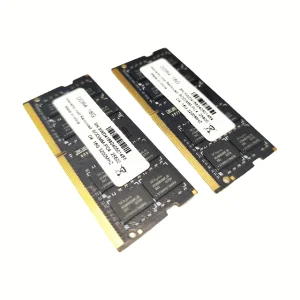
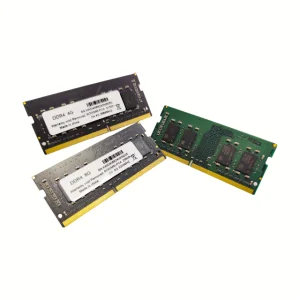
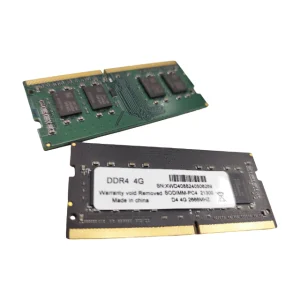
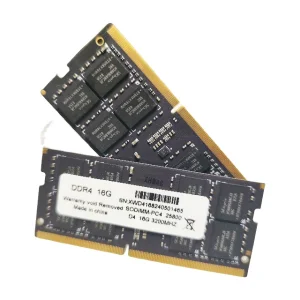
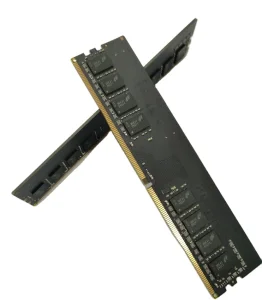
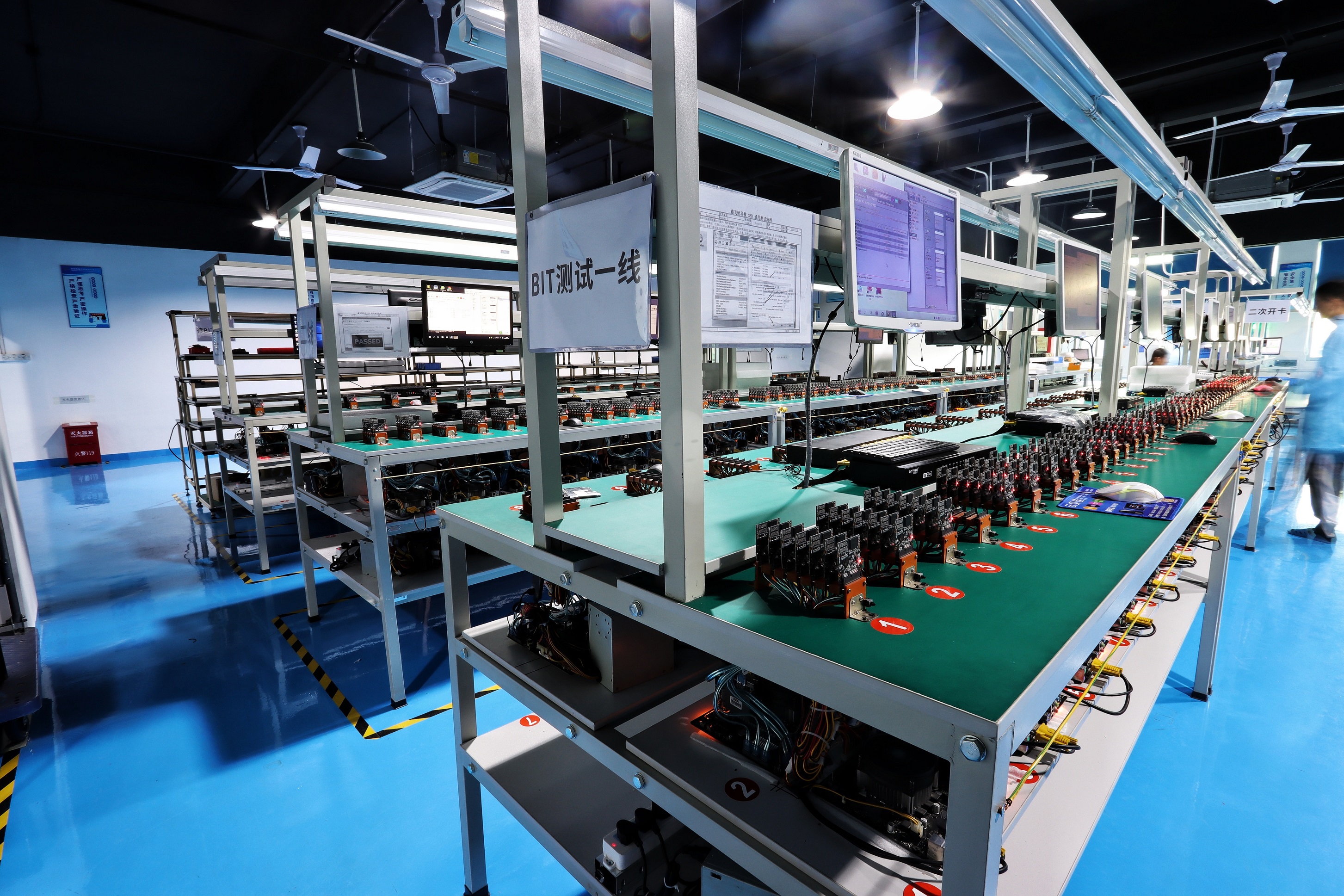
Smart meters and IoT gateways collect hundreds of data points per millisecond. High-performance, low-latency DRAM and error-correcting ECC RAM are essential to prevent system lockups and data corruption during voltage fluctuations.
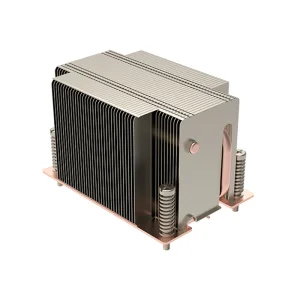
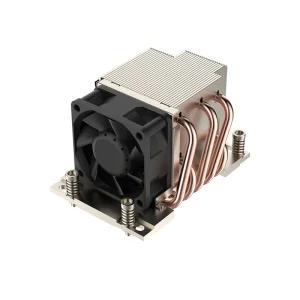
High workloads generate extreme heat. Server-grade CPU radiators and direct-contact heat pipes safeguard processors within energy storage cabinets from thermal throttling, extending system longevity.
Why do global EPC (Engineering, Procurement, and Construction) contractors and OEM brands source their core EMS hardware from China? The answer lies in ecosystem depth, integration speed, and unmatched component availability.
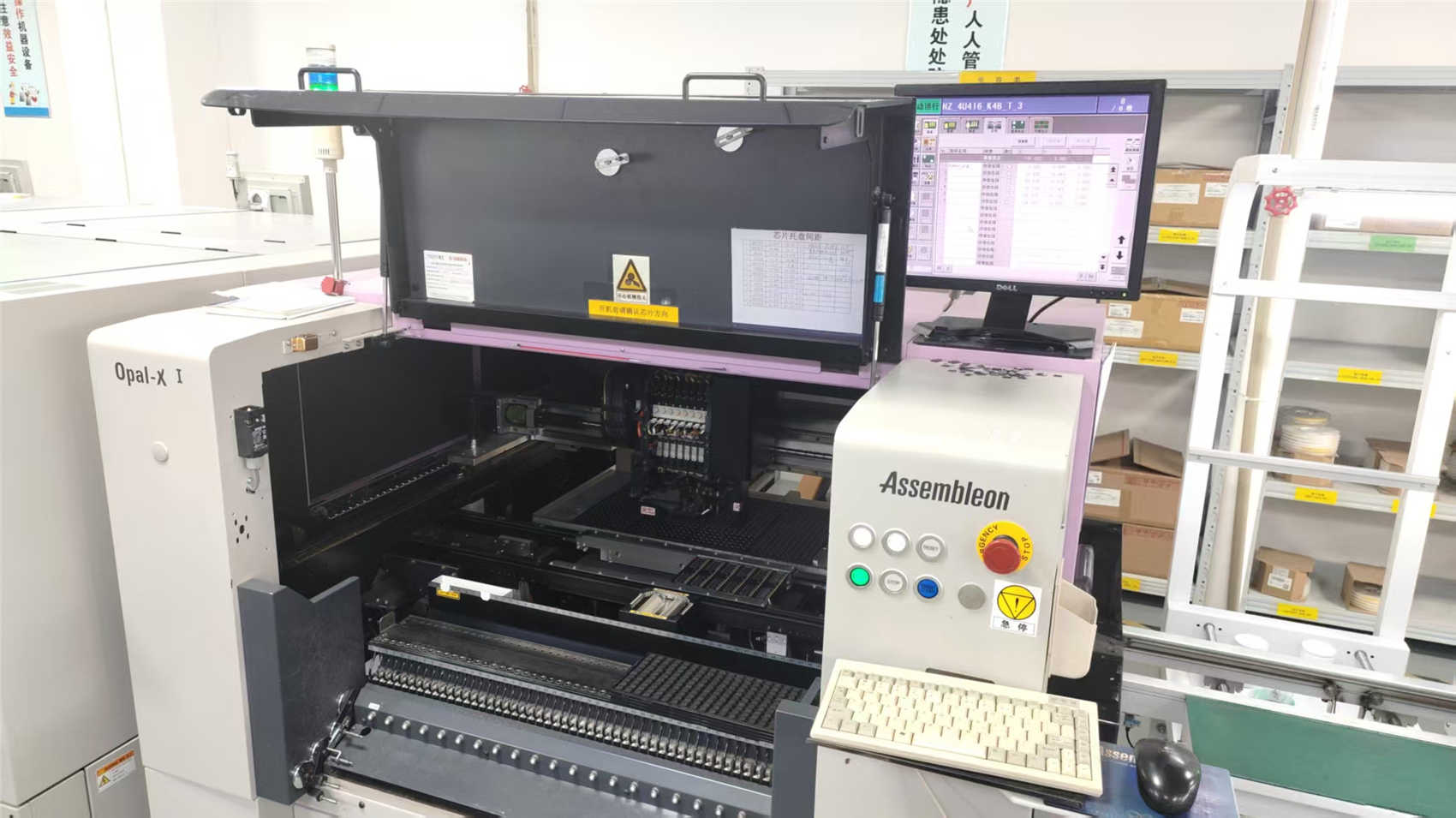
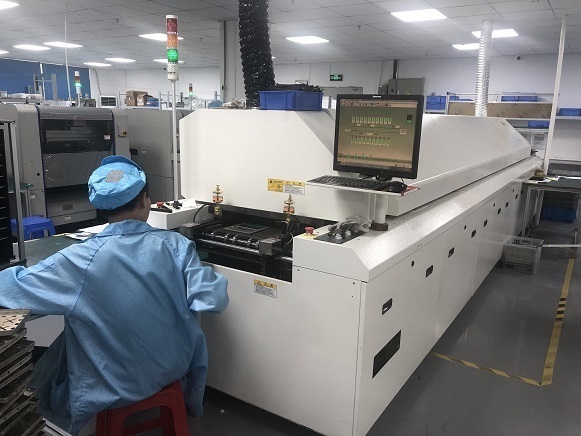
NexaRAM operates an integrated supply network partnering with over 850 strategic partners. This makes it possible to source premium components, produce multi-layer PCBs, and assemble complex PCBAs (such as photovoltaic inverter components) under one roof. Our localized supply chain enables rapid prototyping, custom frequency tuning, and flexible branding—allowing customers to move from design validation to bulk production in a fraction of the time required by Western manufacturers.
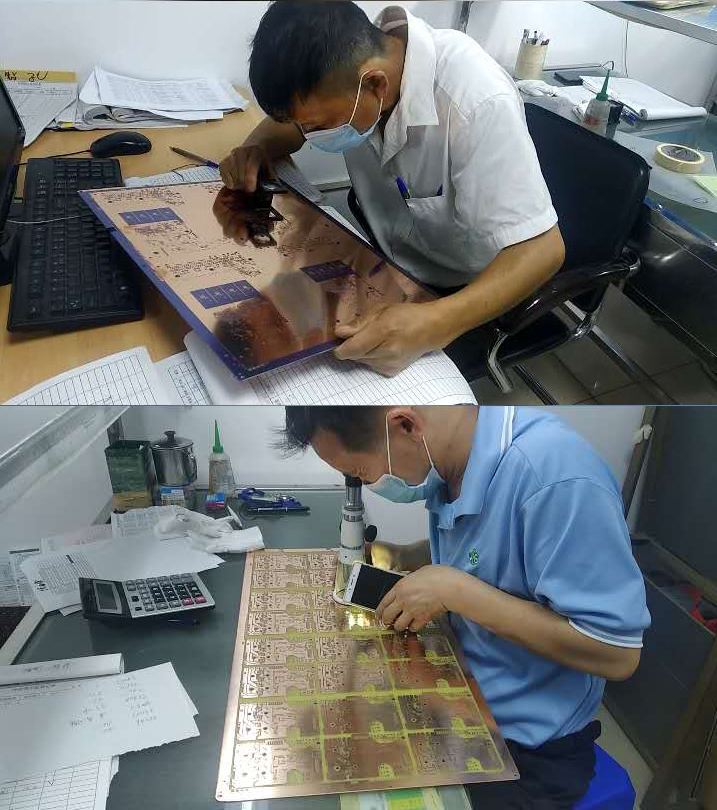
Deploying energy systems in Europe, North America, and Southeast Asia requires complying with distinct regulatory frameworks (such as CE, FCC, RoHS, and UL certification standards). NexaRAM implements rigorous quality assurance procedures at our manufacturing facilities:
A statistical summary of NexaRAM's manufacturing footprint and worldwide service capacity.
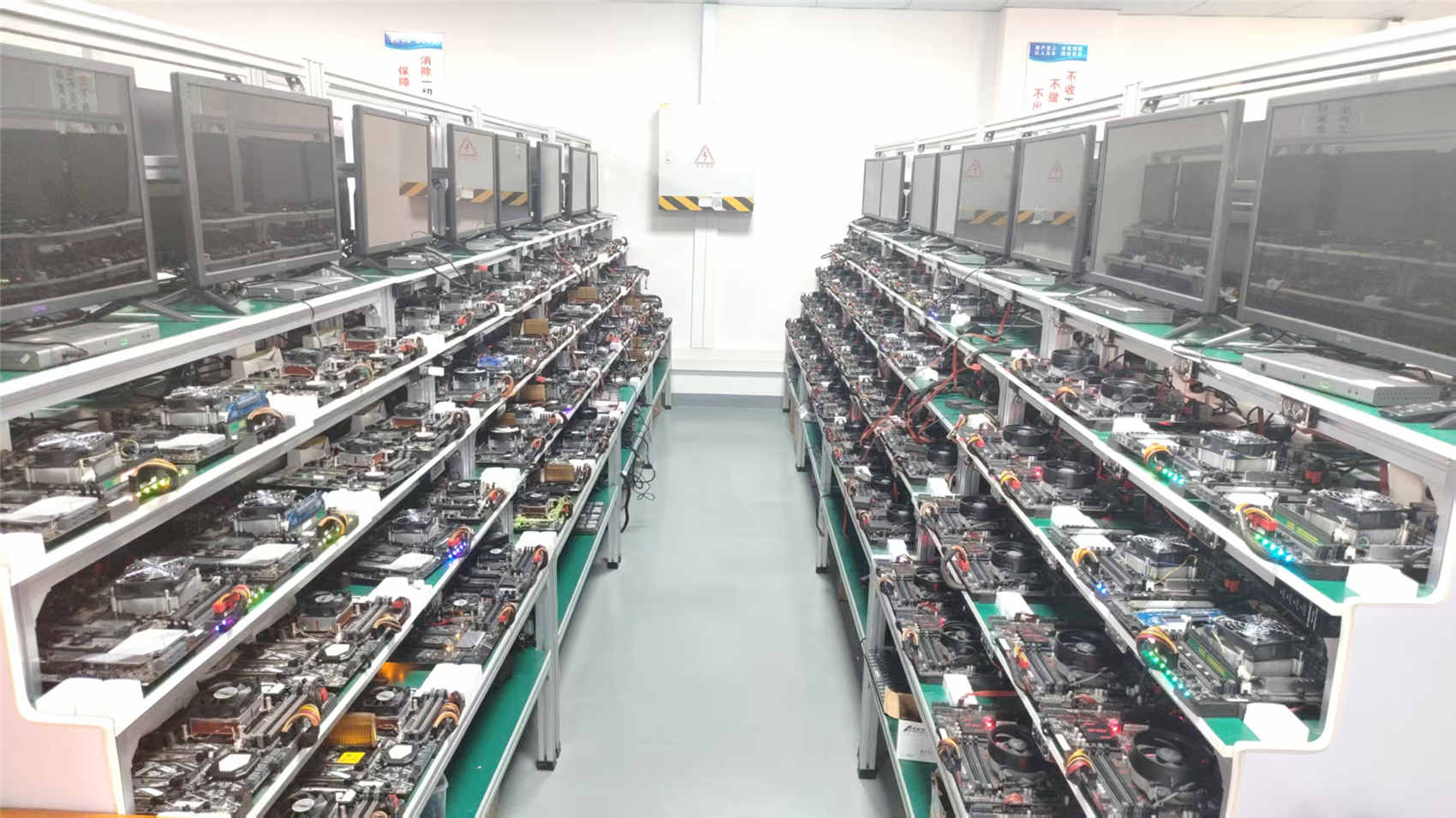
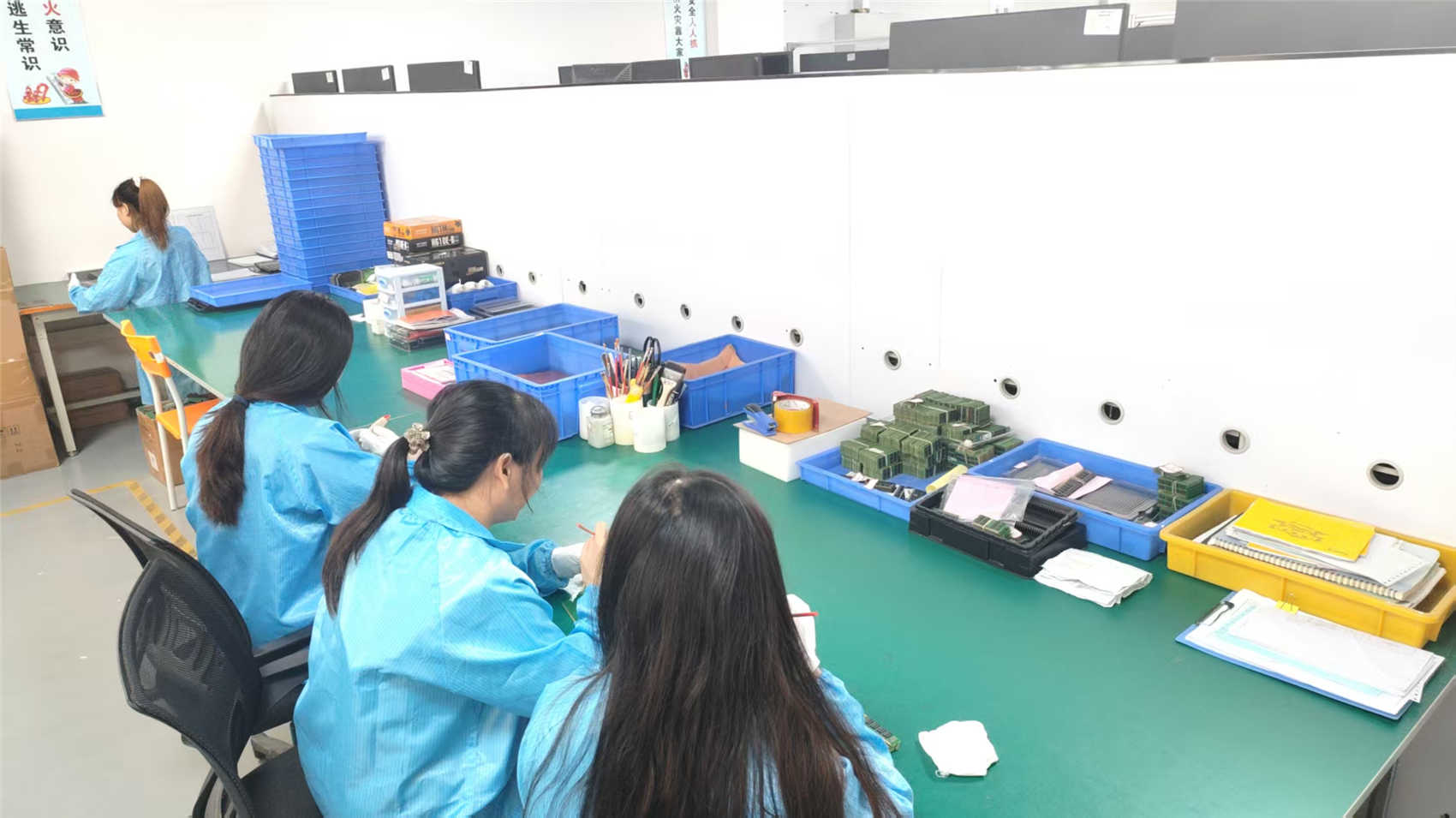
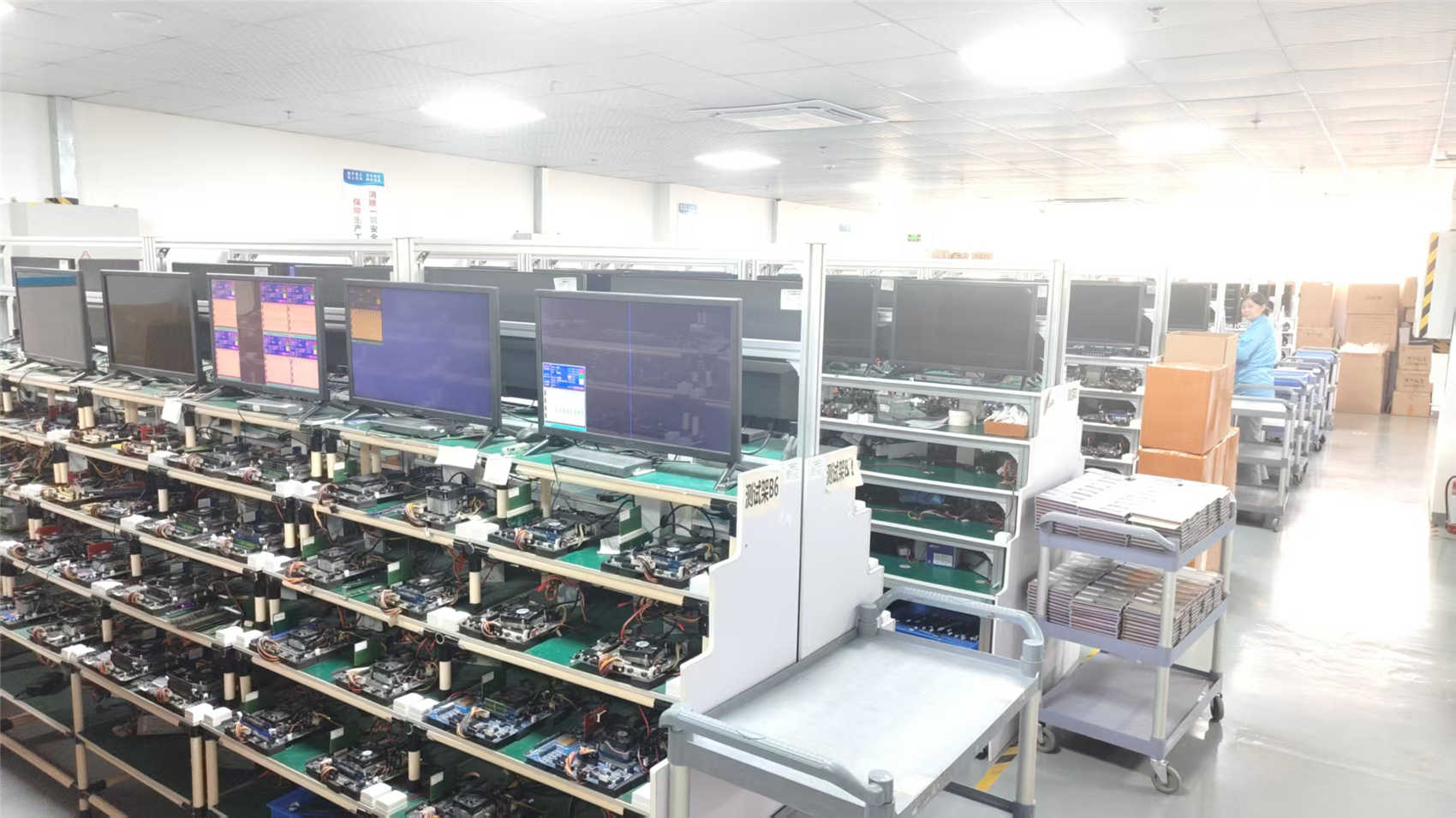

The energy landscape is transitioning from centralized thermal generation to localized, distributed resource networks. This shift drives critical design demands for underlying hardware modules:
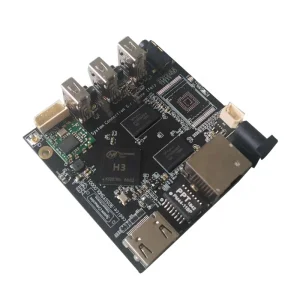
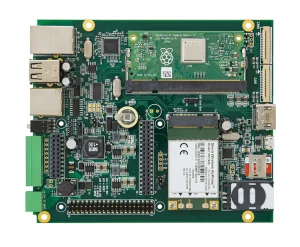
Our product lineup directly supports modern energy systems. For instance, the Photovoltaic Inverter PCB Assembly acts as the central control processor for industrial-scale solar arrays. It monitors grid frequency and coordinates voltage regulation. Our Raspberry Pi Industrial Control Board PCBA serves as a reliable gateway for edge nodes, managing local sensory inputs and communicating with cloud services.
To support high-stress databases running local energy management software, our DDR4 ECC RAM identifies and corrects data errors on the fly. This prevents costly system resets and ensures continuous uptime for critical infrastructure. In the thermal management segment, our U Server Heat Sink AM5 and AMD SP6 Server Coolers prevent CPUs in high-density rack systems from overheating, maintaining optimal server speeds even during heavy computation cycles.
Technical answers regarding industrial PCBA customization, DRAM testing procedures, and global distribution workflows.
Browse our catalog of custom PCBs, memory modules, and thermal management units built for heavy industrial usage.