NexaRAM
NexaRAM
NexaRAM
Featured high-precision thermal assemblies, processing systems, and PCB tooling components optimized for Mercosur regional compliance and industrial hardware projects.
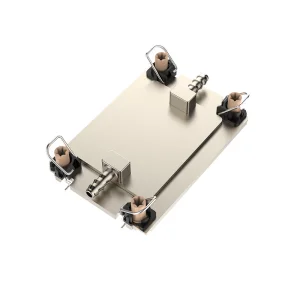
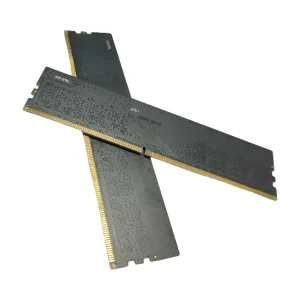
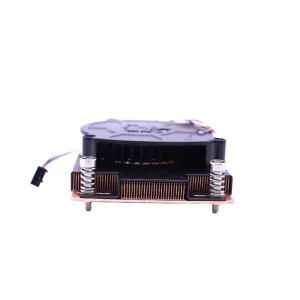
An in-depth analysis of Uruguay's technological ecosystem, importing patterns, and the critical need for fine-pitch SMT laser stencils in local hardware assembly.
Commonly recognized as the "Silicon Valley of South America," Uruguay has evolved from a software outsourcing powerhouse into an emerging hub for specialized hardware design and IoT (Internet of Things) integration. The industrial development areas in Montevideo—notably within the Zonamerica and Parque de las Ciencias free trade zones—house forward-thinking engineering teams focusing on telemetry devices for agritech, smart energy grid meters, and specialized telecommunication hardware. As these entities transition from virtual prototyping to physical Surface Mount Technology (SMT) production, the requirement for ultra-precise tooling becomes paramount.
Unlike consumer electronics hubs that deal with millions of identical motherboards, Uruguay's electronics manufacturing services (EMS) landscape focuses heavily on High-Mix, Low-Volume (HMLV) configurations. In HMLV production, SMT laser-cut stencils are the absolute gatekeeper of yield quality. A single micro-step misalignment or poor solder paste release on a BGA (Ball Grid Array) or QFN (Quad Flat No-leads) pad can compromise the performance of complex industrial microcontrollers, leading to costly manual rework and localized delays in product distribution.
To ensure optimal solder paste deposition, modern PCB assembly lines rely on laser-cut stainless steel stencils rather than outdated chemical-etched variants. The manufacturing of premium laser stencils utilizes specialized fiber laser cutting equipment with beam diameters down to 0.02 mm (20 microns), enabling incredibly tight tolerances of ±5μm. The physics of solder paste release dictate that the aperture wall geometry must be slightly trapezoidal, where the bottom opening (board side) is approximately 10 to 20 microns larger than the top opening (squeegee side). This precise taper prevents solder paste from sticking inside the aperture during stencil release.
Furthermore, engineering professionals must compute the Aspect Ratio and Area Ratio according to the IPC-7525 standard. The Area Ratio ($A_r$), defined as the area of the aperture opening divided by the surface area of the aperture walls, must exceed 0.66 for clean solder release. For modern ultra-fine pitch components such as 0201 or 01005 passives and 0.4mm pitch BGAs, standard laser cutting must be coupled with specialized post-processing steps:
Analyzing the strategic advantages of China's advanced supply chain integration for Latin American electronics enterprises.
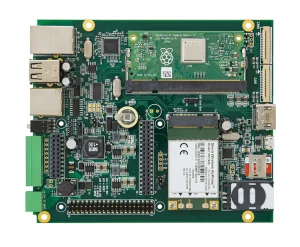
For electronics developers in Uruguay, sourcing locally can present structural limitations. The domestic metalworking industry in Uruguay is highly specialized in agricultural machinery, civil construction, and logistics infrastructure, rather than the micron-level sub-assembly requirements of modern SMT stencils. Importing laser stencils from a specialized manufacturer in China like NexaRAM and partner networks offers significant advantages. Our capabilities go beyond simple steel foil cutting; we integrate high-performance computing components, motherboard designs, thermal cooling modules, and industrial memory manufacturing under one unified sourcing framework.
By leveraging China’s comprehensive electronics ecosystem, Uruguayan buyers achieve unmatched cost efficiency and technological parity. We utilize premium Japanese SUS304/SUS301 stainless steel sheets, which display exceptional tensile strength (above 370 MPa) and frame tension longevity. This material baseline prevents stencil warping and extends the stencil’s useful life past 50,000 printing cycles under standard squeegee configurations.
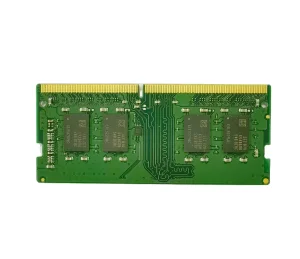
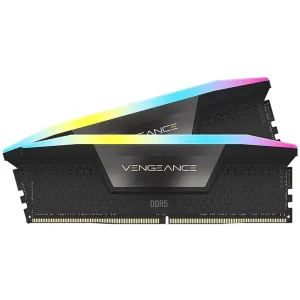
When Uruguayan design houses launch a new product—such as a smart agricultural sensor node—they require not just the bare laser stencil, but also the memory modules (DDR4/DDR5 RAM), active processor cooling systems, and specialized industrial PCBA layers. Managing separate relationships with stencil makers, heatsink manufacturers, and DRAM suppliers introduces logistical vulnerabilities, complex customs declarations, and variable delivery times.
NexaRAM mitigates this complexity by offering comprehensive sourcing. While our factory engineers design and cut custom SMT stencils matching your Gerber layout files, our DRAM production lines assemble industrial-grade DDR4 and DDR5 memory modules (incorporating automated optical inspection and burn-in reliability testing). By consolidation of these goods into a single cargo consignment, Uruguayan businesses bypass redundant port clearance procedures at Montevideo and optimize import duty tariffs within the Mercosur trade framework.
Our engineering capabilities are structured to support high-reliability systems in demanding operating environments.
Strict conformance to IPC-7525 design standards, ensuring sub-5 micron positioning tolerances for fine-pitch BGA, QFN, and passive components down to 01005 packages.
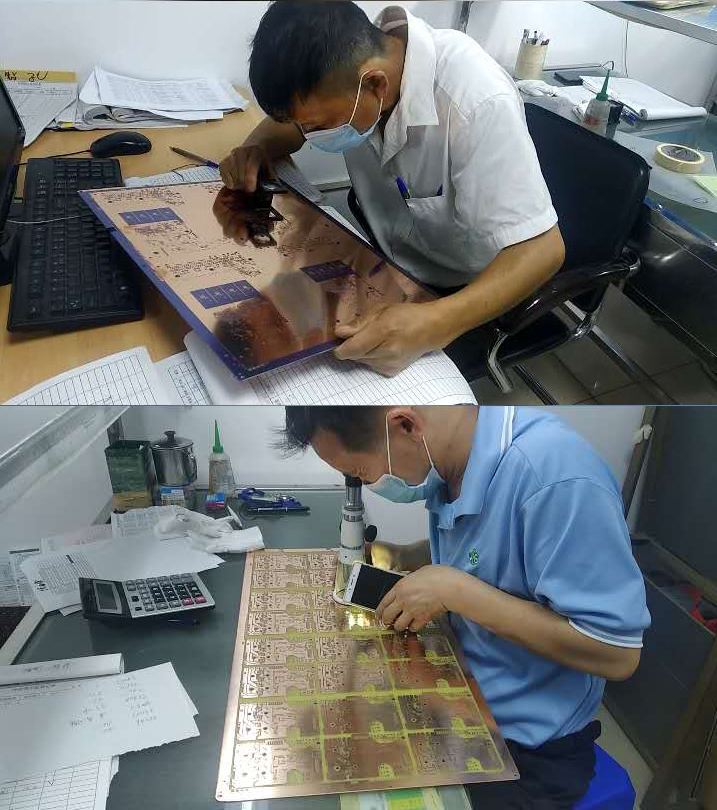
Integrated Automated Optical Inspection (AOI) verification of all apertures, coupled with high-temperature burn-in tests for all related active memory and controller assemblies.
Gerber DFM review completed in under 24 hours, with direct air freight options connecting our production lines to Montevideo and Punta del Este cargo terminals within 5–7 working days.
Reviewing our modern production, testing protocols, and physical infrastructure powering global enterprise supply lines.
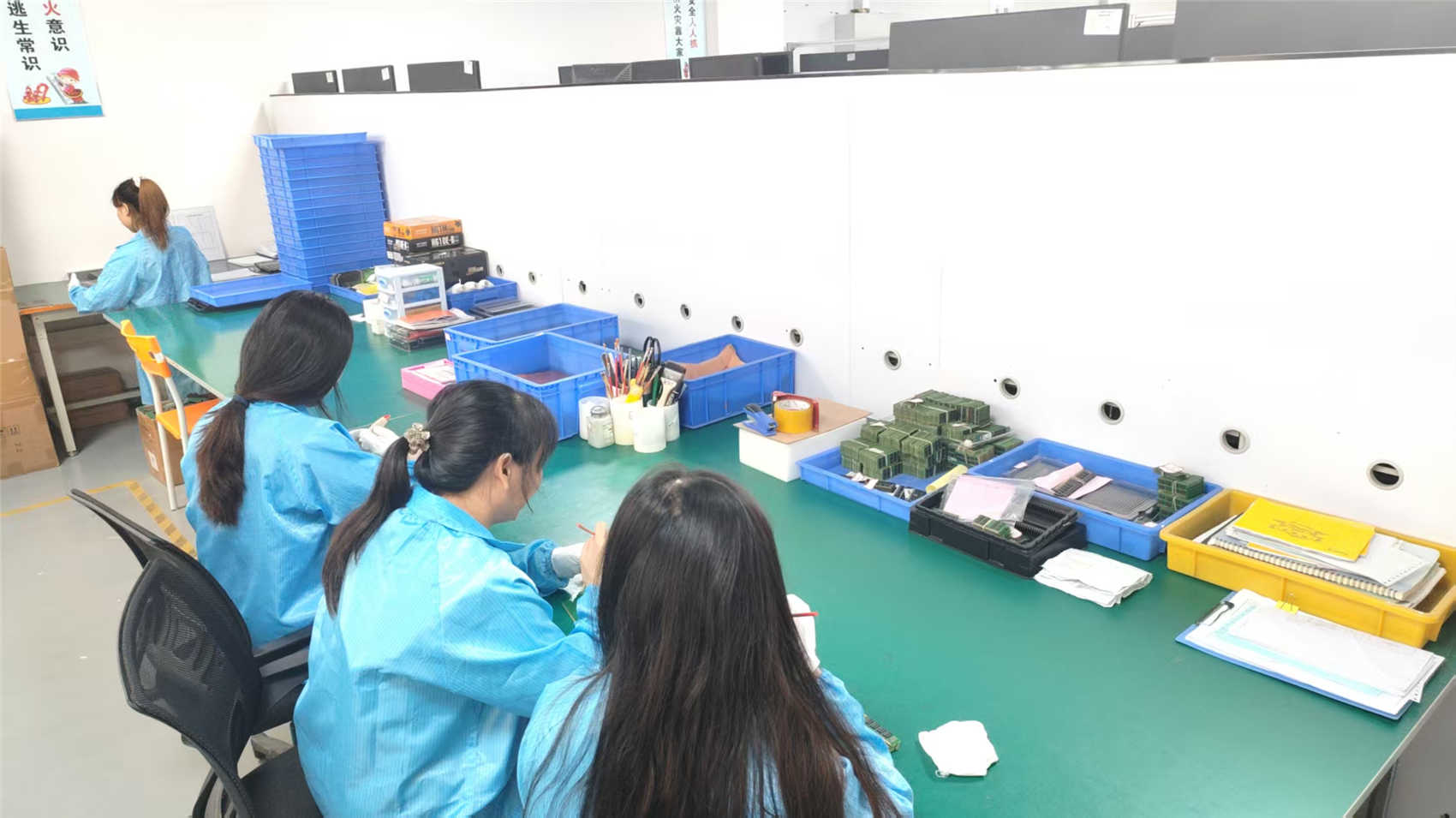
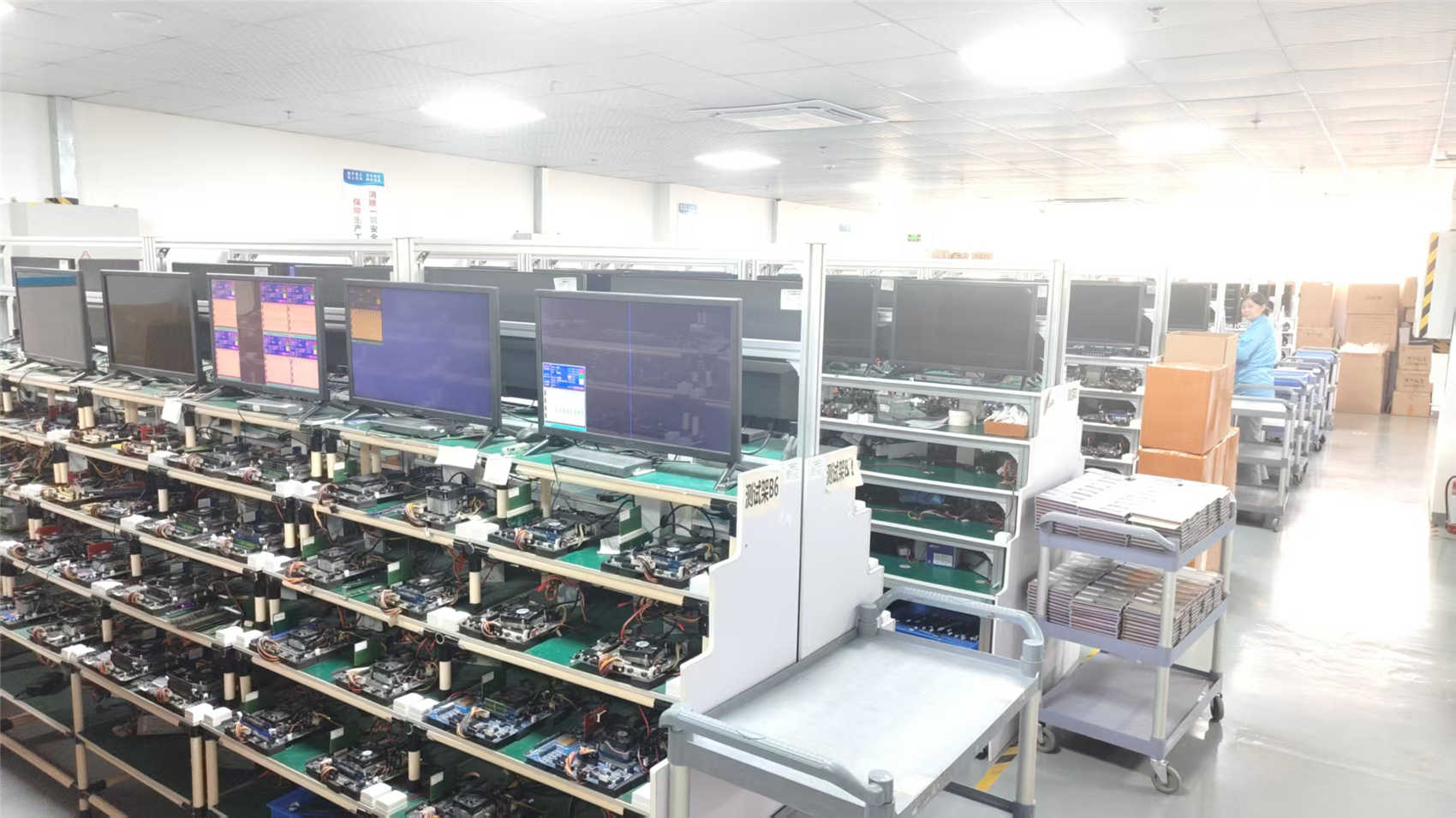
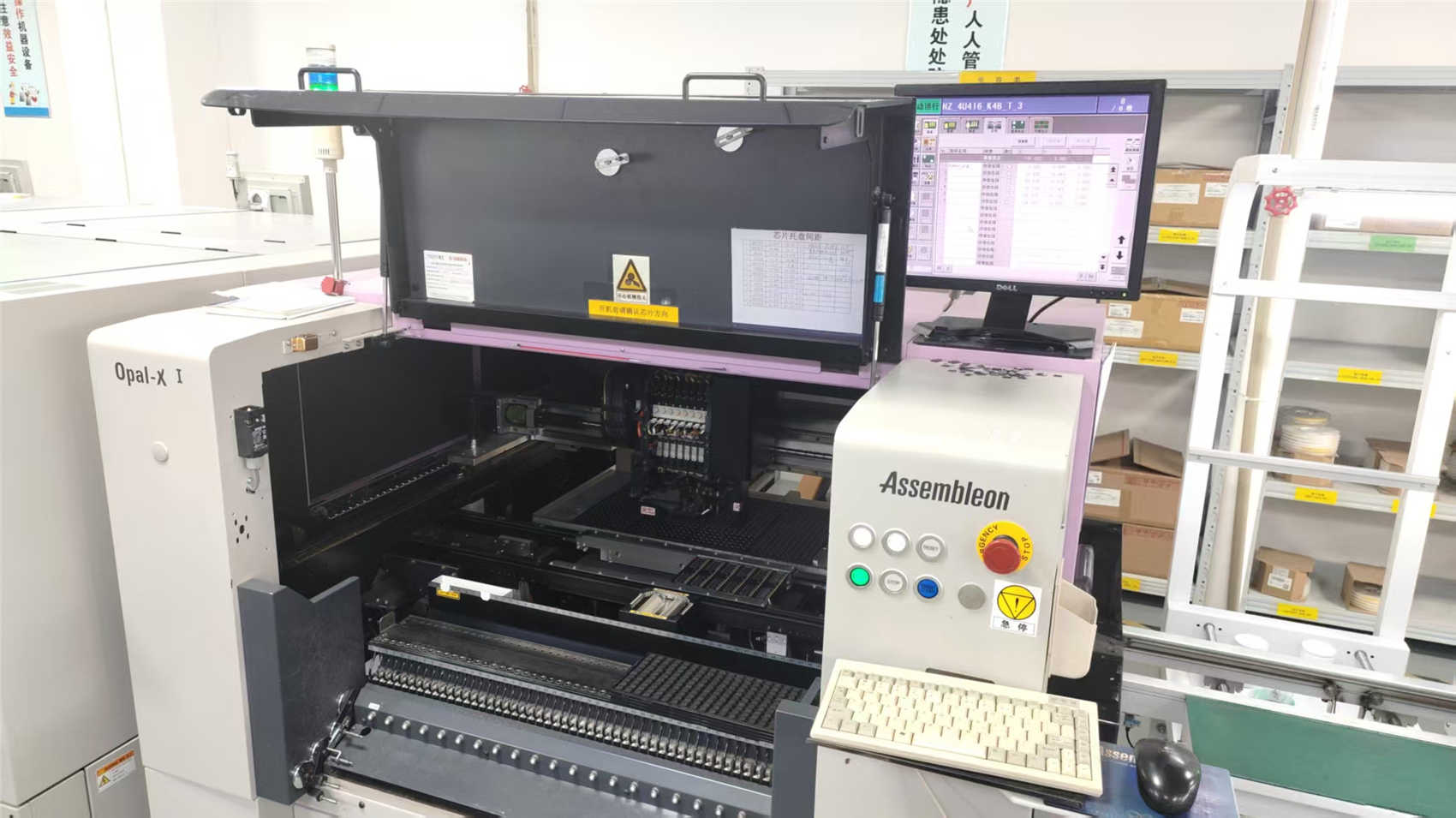
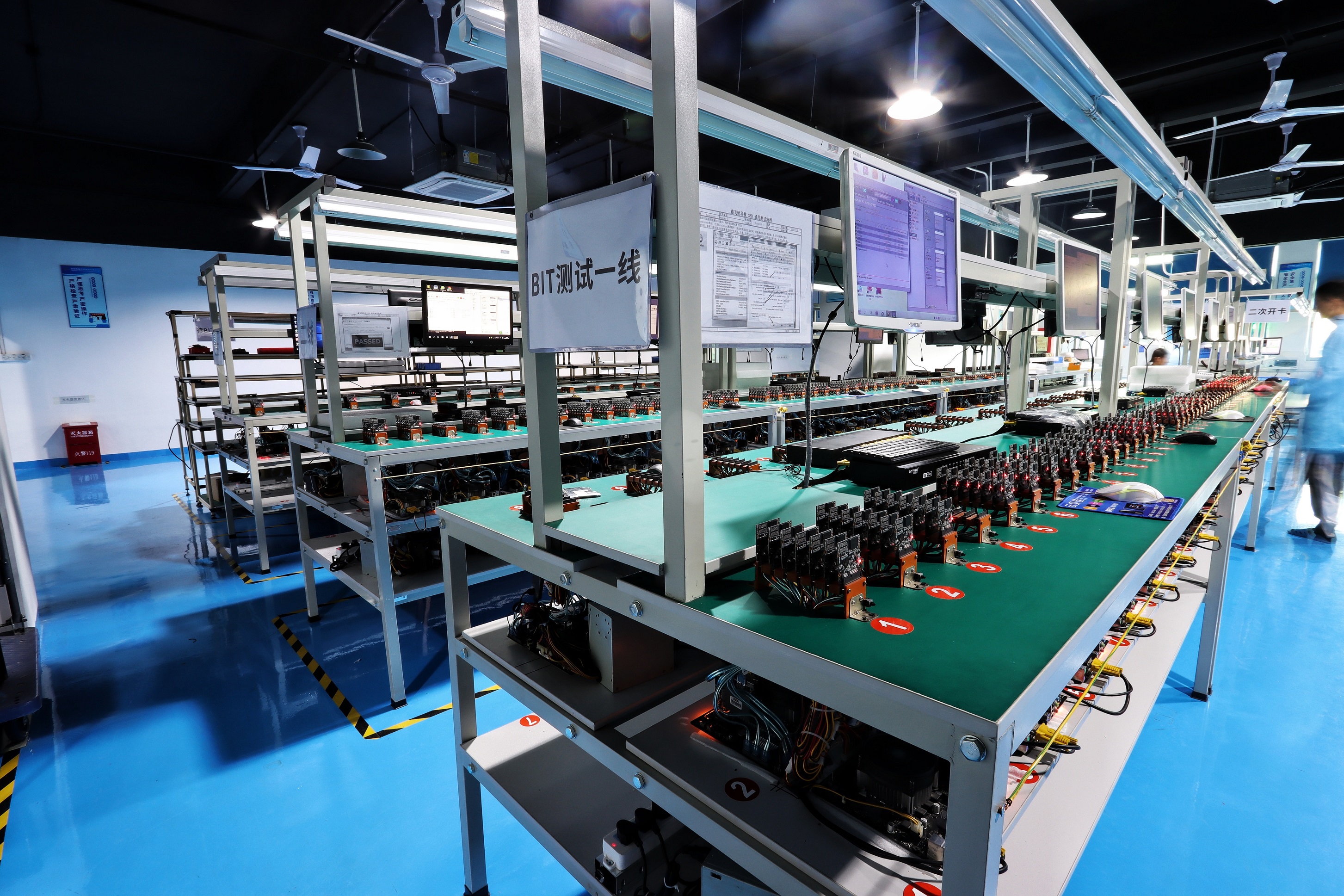
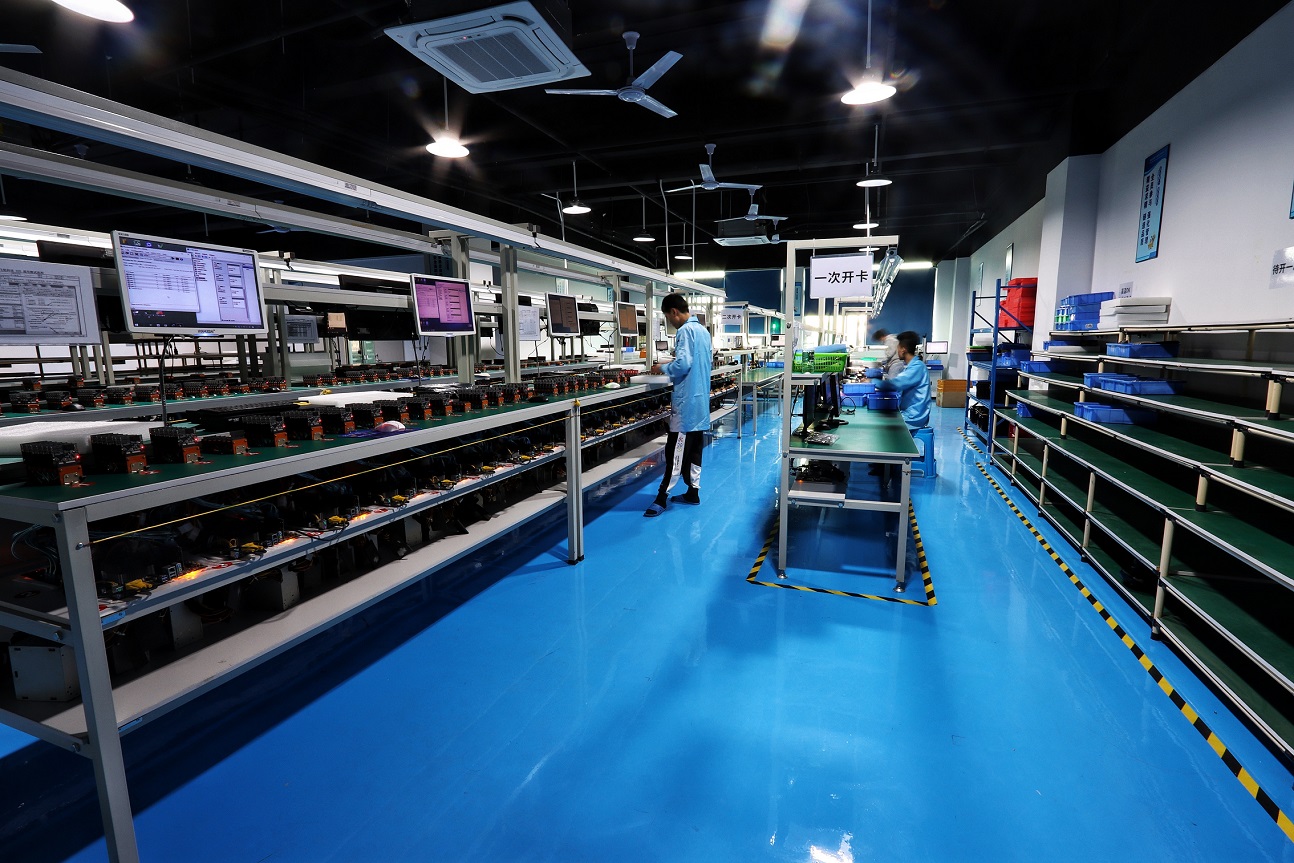
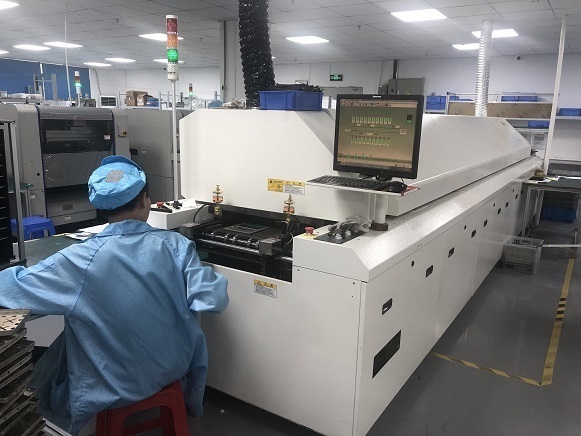
Established in 2016, NexaRAM Storage Technology Co., Ltd. operates as a leading DDR5 memory manufacturer and electronics components supply partner. Our manufacturing complex features modern cleanrooms and automated SMT lines. Under strict quality management, we inspect incoming raw materials and implement automated optical inspection (AOI) alongside thermal burn-in stress tests. Our global export revenue reaches approximately USD 12 million, proving our supply chain strength across North America, Europe, Southeast Asia, and the Middle East.
With a network of over 850 strategic supply chain partners, we ensure constant access to premium high-grade silicon wafers, PCB substrates, and stainless steel foils. Our R&D team consists of 180 engineers who continuous optimize high-speed circuit designs and tooling specifications. This focus on engineering enables us to support customers through complex hardware deployments, including memory configuration and custom laser stencil designs.
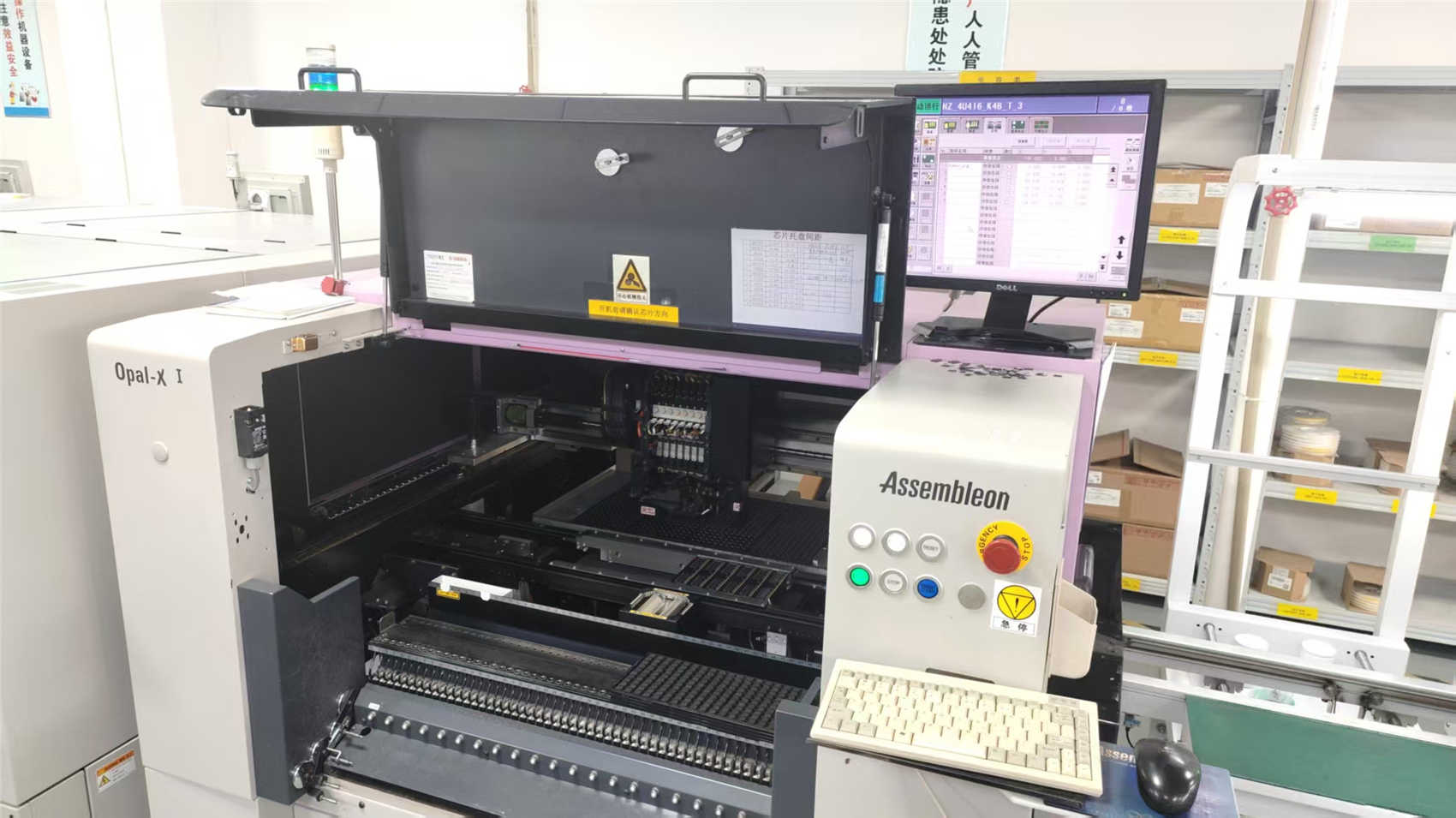
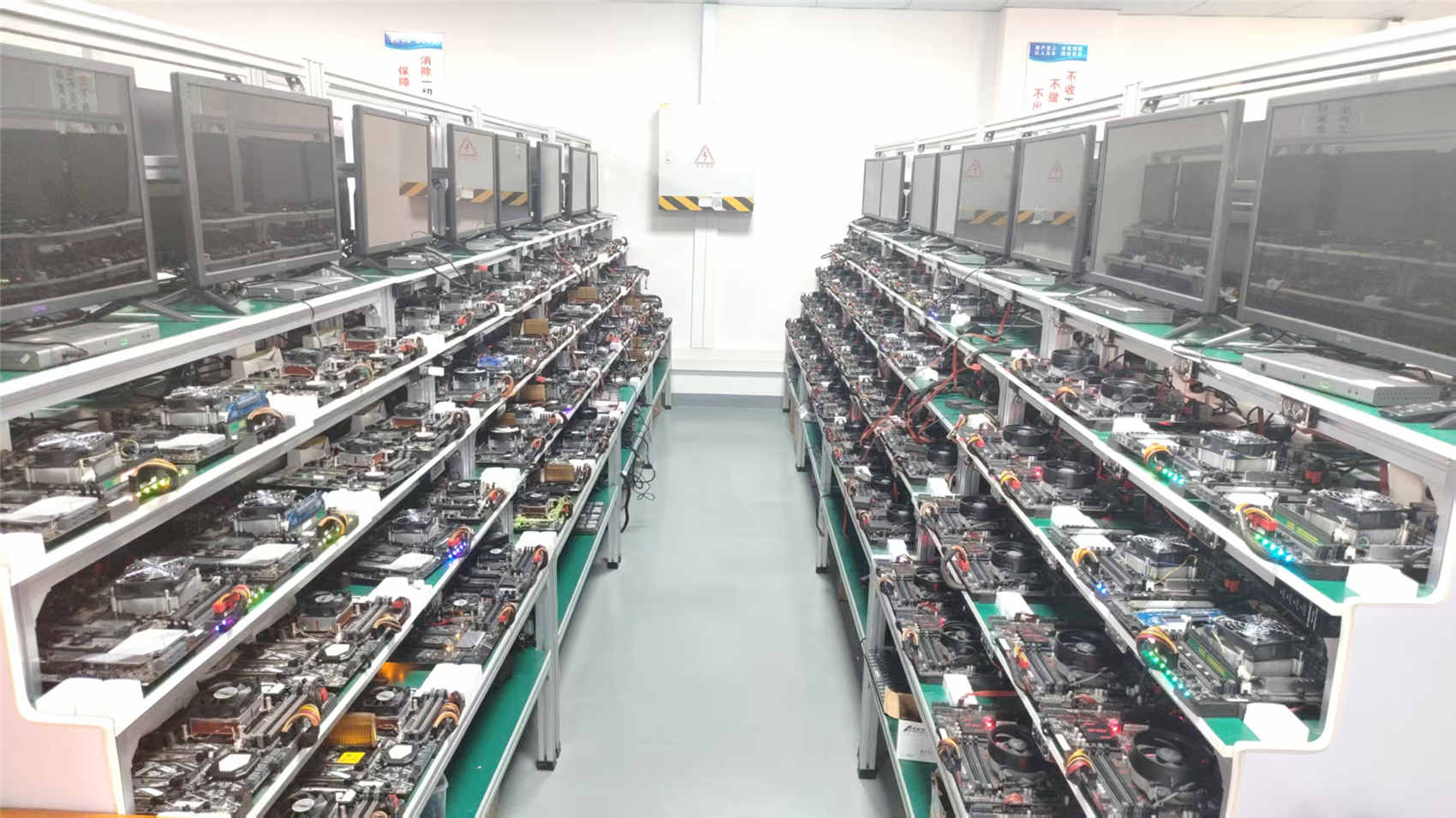
How our precision stencils and integrated components support specific high-growth sectors within the Uruguayan economy.
Uruguay's agriculture sector uses advanced telemetry sensors to monitor soil moisture, nitrogen levels, and animal movements. These outdoor IoT devices are housed in sealed IP67/IP68 enclosures and undergo thermal cycling. The PCBs must use high-reliability solder joints to prevent micro-cracks. Our high-precision laser stencils ensure consistent paste thickness, preventing voiding under critical transceivers and microcontroller packages.
State utility operators in Uruguay have initiated nationwide installations of smart electricity and water meters. These devices integrate micro-controllers, wireless communication modules, and power supplies. By utilizing step-down and step-up stencils, local assemblers can print smaller solder volumes for fine-pitch communication chips while maintaining robust solder deposits for heavy power connectors on the same board.
Uruguay serves as a manufacturing platform for specialized automotive sub-assemblies shipped across the Mercosur region. Modern automotive electronics operate under high vibration conditions, requiring absolute consistency in solder joint height and volume. Laser-cut stencils with electro-polished aperture walls deliver the necessary precision, reducing defective joints and field failures.
Direct technical answers addressing the logistical and engineering requirements of importing laser stencils to Uruguay.
Complete product list supporting advanced hardware system assemblies, localized telemetry setups, and computer infrastructures in Uruguay.
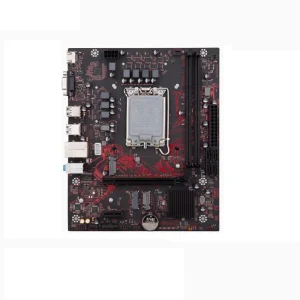
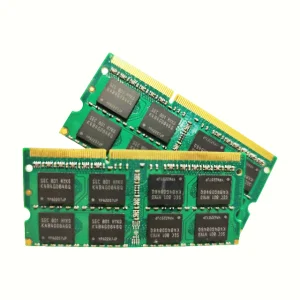
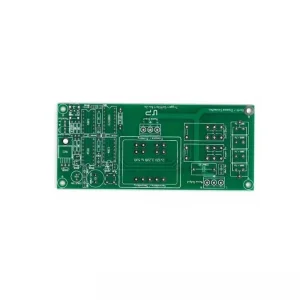
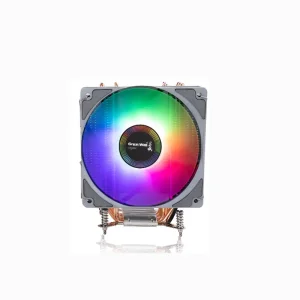
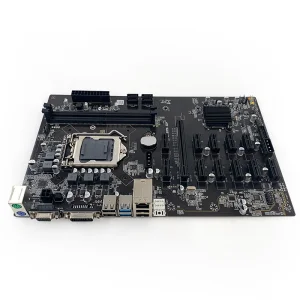
Get in touch with our engineering team today. We provide full layout reviews, stencil customization, and component integration solutions for your projects in Uruguay.
Send Inquiry Now