NexaRAM
NexaRAM
NexaRAM
High-performance electronics, custom multi-layer printed circuit boards, and thermal solutions engineered to match North African industrial specifications.
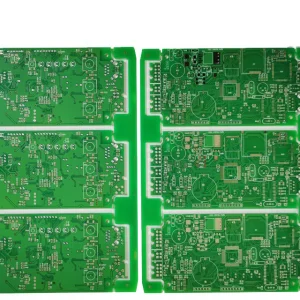
Over the past decade, Morocco has emerged as a premier industrial and technological gateway linking Europe, the Middle East, and Africa (EMEA). Powered by strategic state initiatives such as the Industrial Acceleration Plan (PAI), the Kingdom of Morocco has aggressively expanded its domestic manufacturing capacity. Key industrial clusters, including Tangier Automotive City (TAC), Kenitra Automotive City, and the Casablanca Aerospace Hub (Midparc), have positioned Morocco as a competitive manufacturing center.
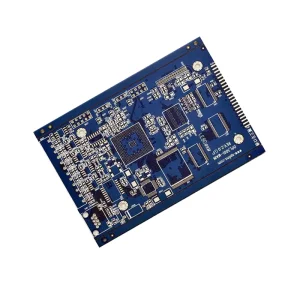
As these industries evolve from basic assembly to complex system integration, the demand for high-reliability components—specifically Printed Circuit Boards (PCBs) and Printed Circuit Board Assemblies (PCBAs)—has surged. Modern automotive electronic control units (ECUs), advanced driver assistance systems (ADAS), solar inverter controllers, aerospace telemetry units, and telecommunication switches all rely on high-grade PCBs.
To sustain this growth, Moroccan electronics buyers and OEMs seek direct partnerships with foreign PCB manufacturers capable of offering institutional expertise, agile supply chains, and strict compliance with international aerospace and automotive standards. The synergy between Chinese manufacturing hubs and Morocco's duty-free industrial zones makes this bilateral trade highly efficient.
Meeting the demands of Morocco’s major industrial sectors with tailored hardware solutions.
Morocco is Africa’s largest passenger car producer. Modern automotive factories in Tangier and Kenitra require heavy copper PCBs, high-layer count FR4 boards, and rigid-flex configurations capable of enduring harsh vibrations, thermal shocks, and automotive voltage fluctuations.
Projects like the Noor Ouarzazate Solar Complex underscore Morocco's renewable leadership. The power generation sector requires high-thermal conductivity aluminum-backed PCBs, thick-film ceramic substrates, and robust power distribution boards for industrial solar inverters.
Casablanca’s Midparc industrial zone hosts international aviation leaders. Aerospace applications call for High-Density Interconnect (HDI) boards, low-loss RF laminates (such as Rogers or Teflon), and high-frequency components that ensure signal integrity under low atmospheric pressure.
Partnering with NexaRAM Storage Technology Co., Ltd. for end-to-end electronic integration.
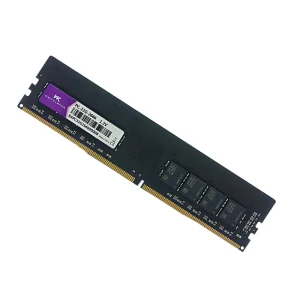
Established in 2016, NexaRAM Storage Technology Co., Ltd. is a professional manufacturer specializing in high-performance memory modules (DDR4/DDR5) and high-speed storage architectures for global OEMs, enterprise computing centers, and industrial control systems. With 12 years of industry experience in semiconductors and 6 years of global export experience, the company has integrated advanced DRAM processing with contract electronic engineering.
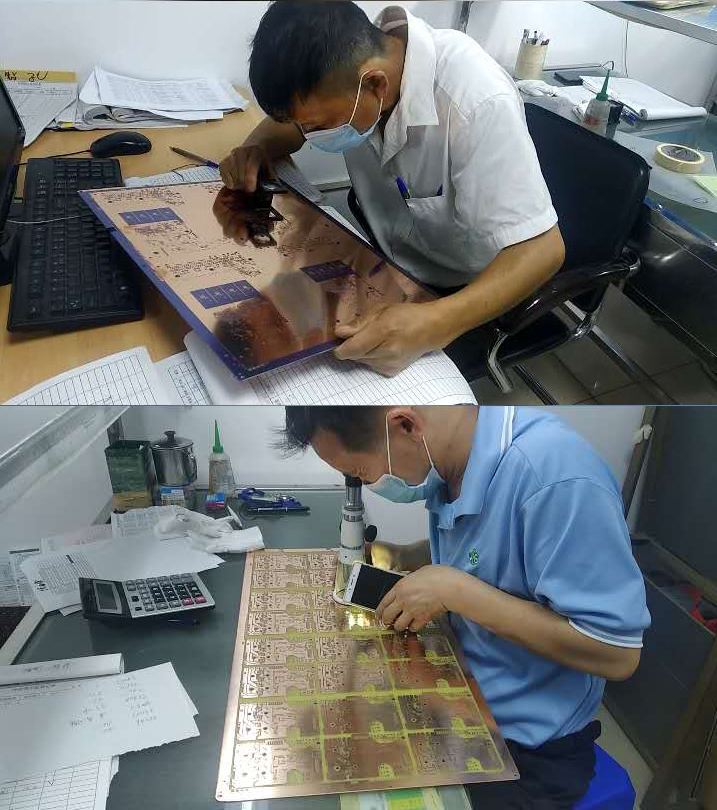
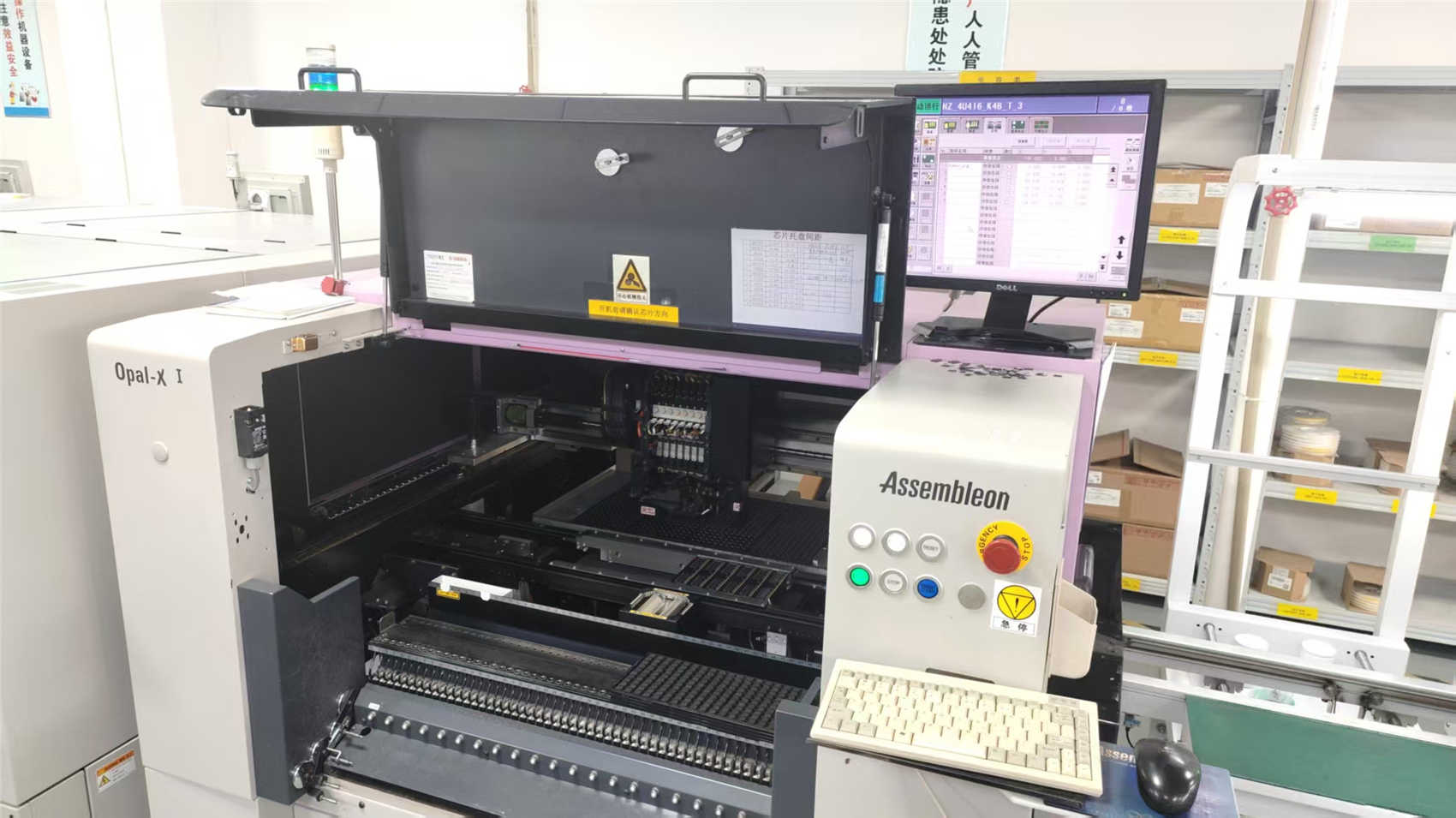
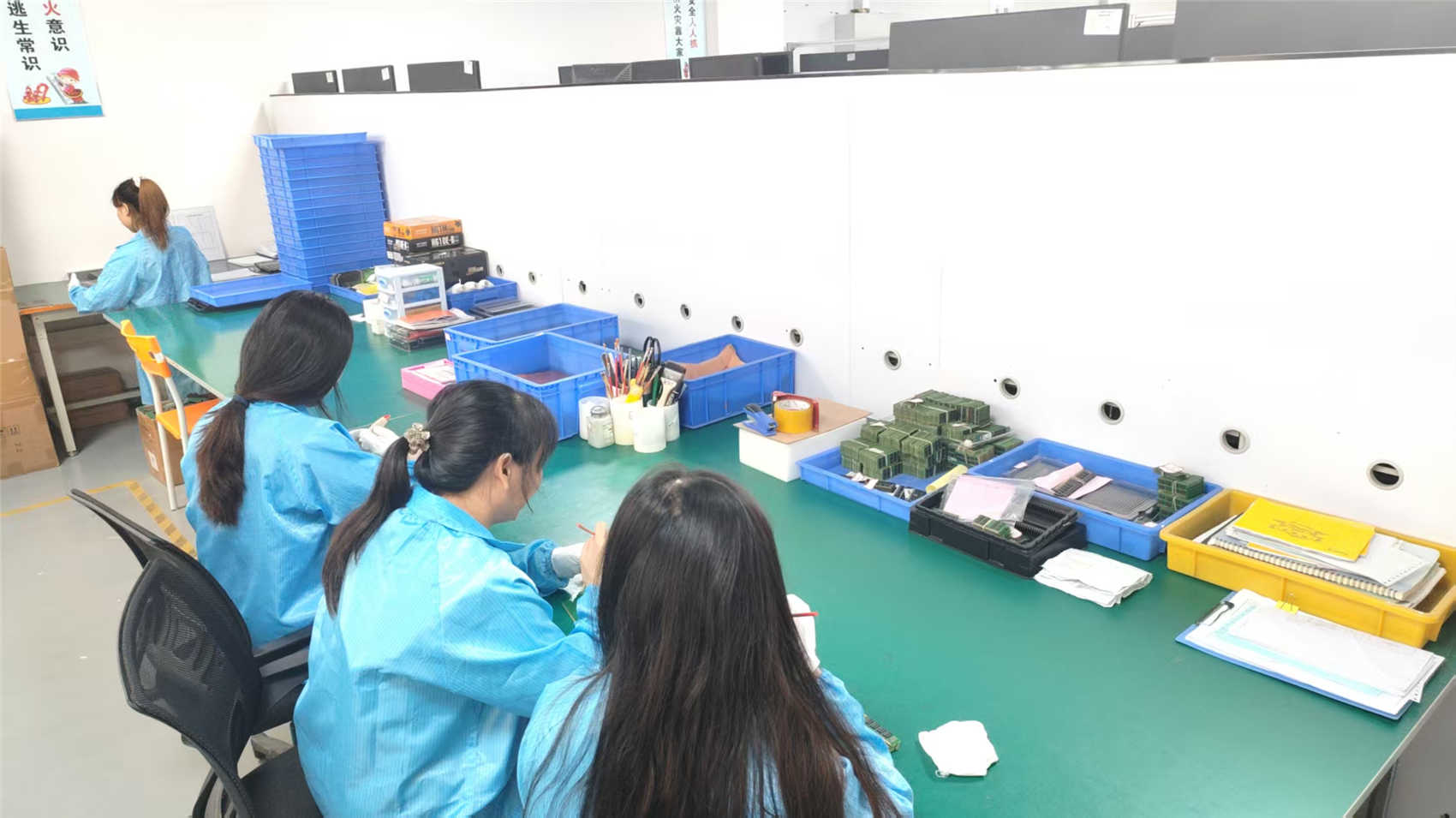
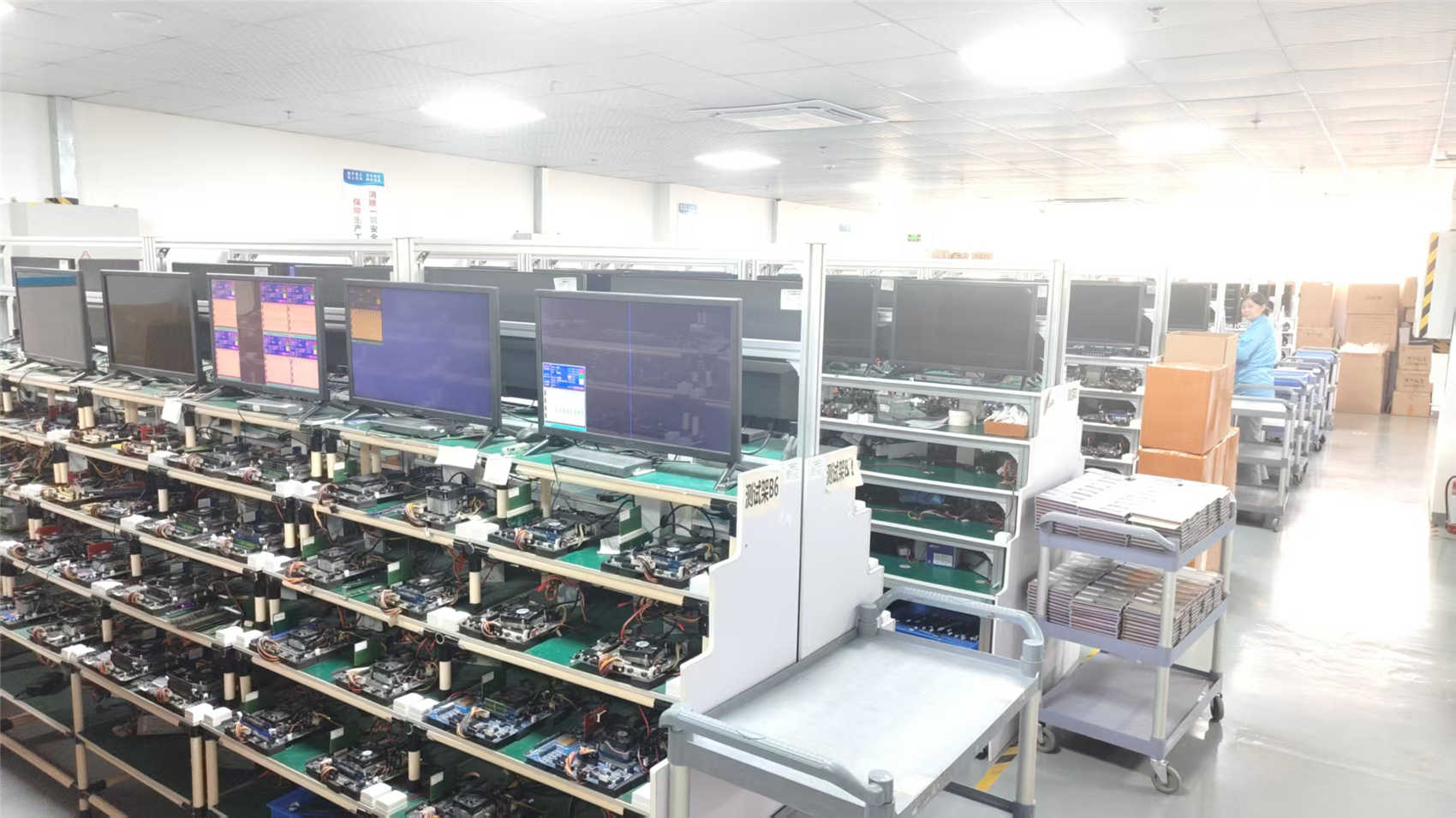
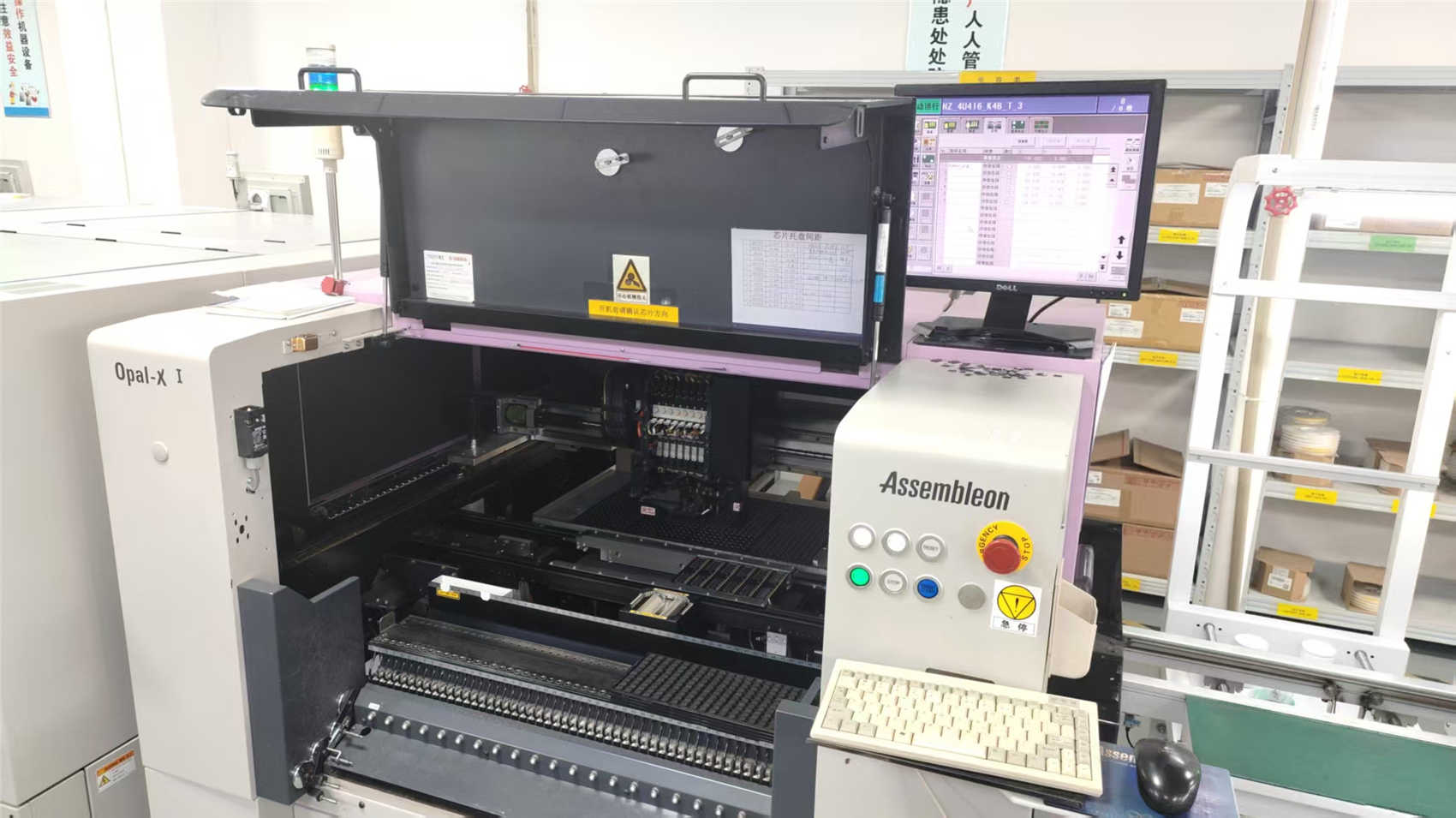
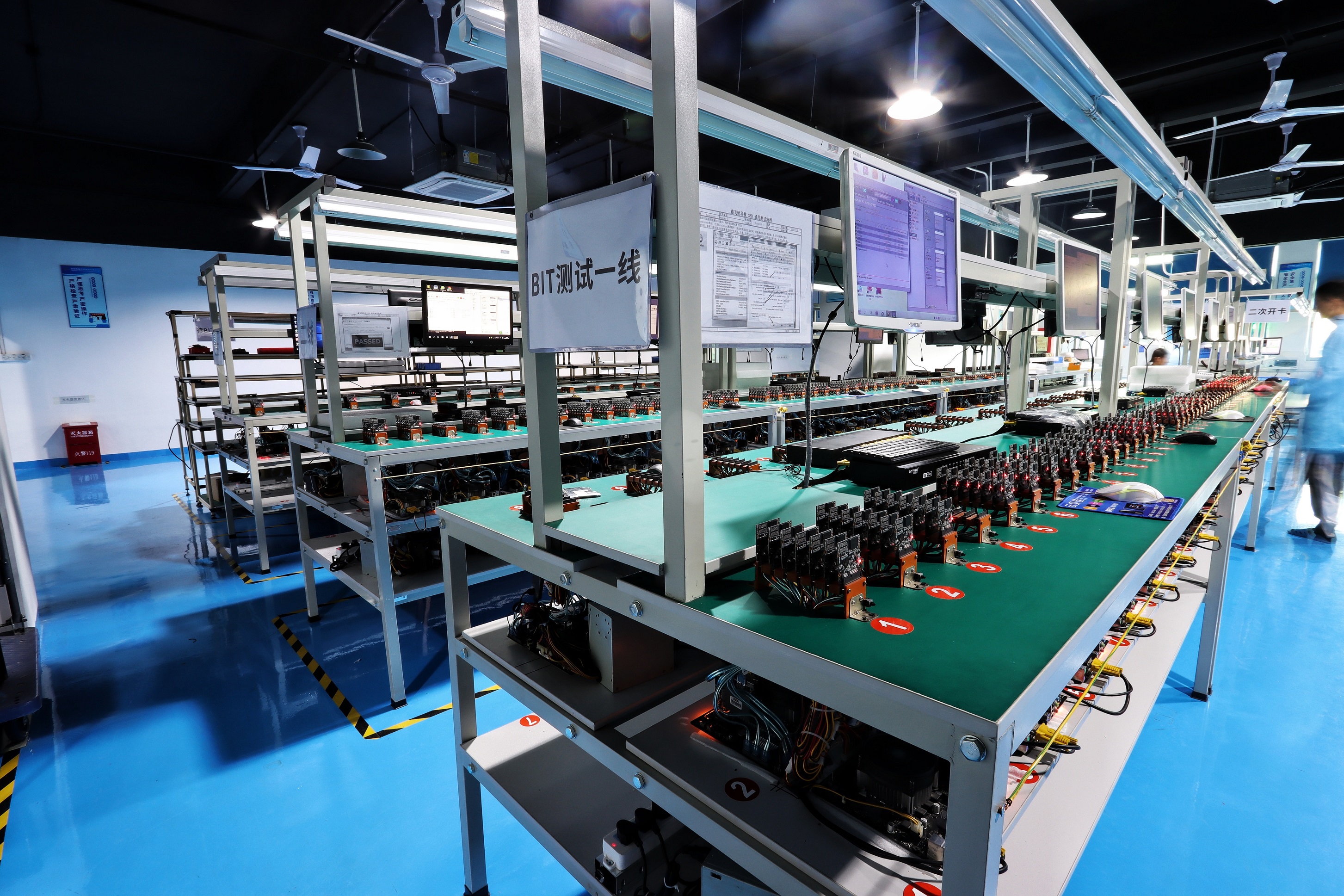
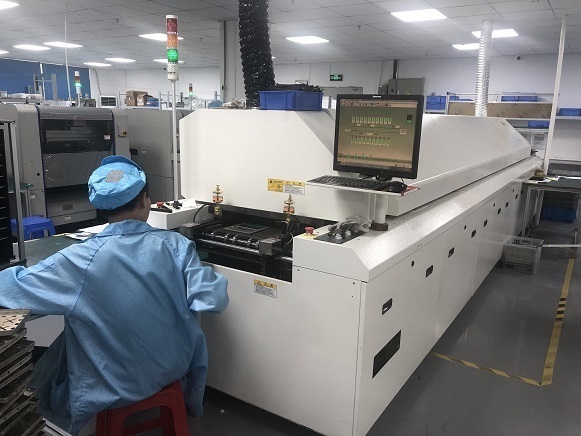
Operating a specialized high-density testing and assembly cleanroom facility of 320㎡, NexaRAM controls quality through a network of 35 dedicated QC inspectors. Utilizing high-speed Automated Optical Inspection (AOI) machines and thermal burn-in chambers, the company ensures that memory, storage, and companion high-density PCBs meet military-grade tolerances.
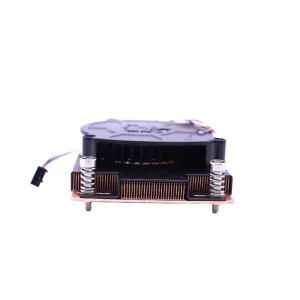
Backed by a strategic supply chain ecosystem of over 850 partners, NexaRAM procures A-grade semiconductor dies and raw PCB copper-clad laminates directly from global foundries. Its robust R&D team, composed of 180 experienced design engineers, launched 120 new product variants last year alone, offering customized PCB layouts, frequency tuning, and custom heat sink designs.
Every PCB assembly, passive radiator, and high-frequency memory module undergoes multi-stage inspections before dispatch.


Procuring electronic components internationally requires a secure, predictable logistics framework. Through close cooperation with major logistics carriers operating out of Shenzhen, Shanghai, and Hong Kong, shipments can reach Morocco’s primary ports, including Tanger-Med and Casablanca, within tight deadlines.
Tanger-Med Free Zone Compatibility: By leveraging Morocco's special economic zones (Tanger Free Zone, Kenitra Free Zone), Moroccan electronics importers can import semi-finished PCBs, memory modules, and heat sinks with zero customs duties under specific trade agreements. Chinese manufacturing ecosystems offer unparalleled turnaround speeds: prototype PCBs can be manufactured in 24 hours, and medium-volume SMT assembly runs can be completed in under 7 days.
End-to-End Compliance: Our supply chain operations adhere to RoHS (Restriction of Hazardous Substances), CE, UL, and IPC-A-610 standards. This guarantees that all exported assemblies align with the environmental and safety regulations enforced in Morocco and its main export market, the European Union.
The rapid pace of global digitalization is pushing the limits of standard PCB design. For Moroccan developers looking to design products for the next decade, several key technological transitions must be addressed:
As consumer smart-devices, medical diagnostics, and automotive systems shrink in size, the space allocated for electronics is drastically reduced. HDI technology uses microvias (laser-drilled holes), fine lines, and high-performance thin materials to pack more components onto a smaller footprint. Moving toward HDI is critical for developers working on smart vehicle systems in Casablanca and smart city initiatives in Rabat.
High-performance computing chips, high-speed RAM (such as DDR5), and high-power LED solar lights generate significant heat. Standard FR-4 substrates are insufficient for these thermal loads. The future lies in Metal Core PCBs (MCPCBs) or the integration of custom copper and aluminum heat sinks, vapor chambers, and server-grade active cooling fans.
With Morocco upgrading its telecommunication infrastructure to 5G, signal attenuation has become a primary bottleneck. High-frequency RF substrates with low dielectric constants (Dk) and low dissipation factors (Df) are required to avoid signal loss. Design engineers must adapt to impedance-controlled multilayer stack-ups using specialized PTFE materials.
Essential insights for procurement departments, hardware designers, and logistics managers importing to Morocco.
High-speed RAM modules, server heatsinks, and heavy-duty radiators engineered for Moroccan data centers and industrial electronics.
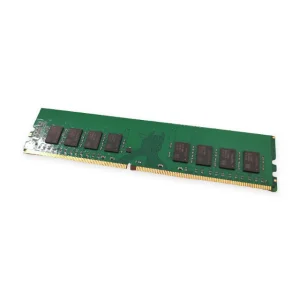
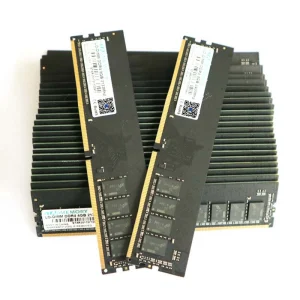
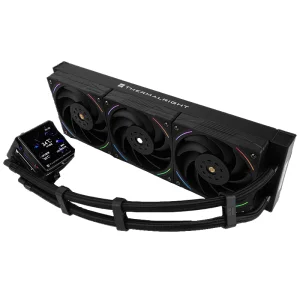
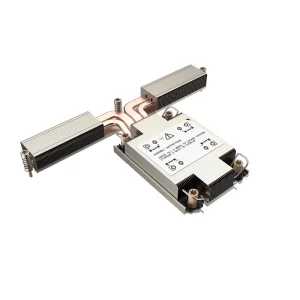
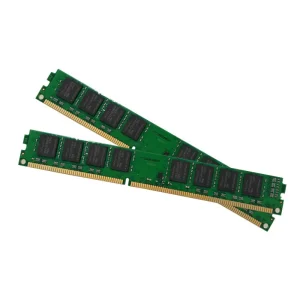
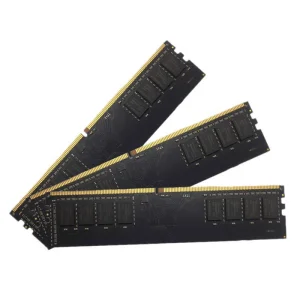
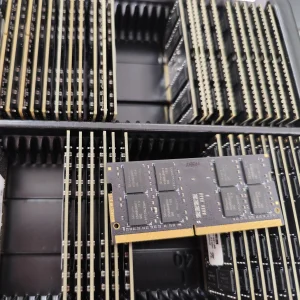
State-of-the-art facility featuring automatic placement systems, dry cabinets, and thermal aging rooms.