NexaRAM
NexaRAM
NexaRAM
Highly optimized cooling configurations and driver motherboards engineered to maximize the operational lifespan and radiant flux density of Los Angeles UVC industrial systems.
For decades, municipal and commercial water, air, and surface disinfection in Southern California relied heavily on low-pressure mercury vapor lamps. While effective, mercury-based systems pose severe environmental risks, run hot, take minutes to strike, and exhibit massive decay over their short operational life. Today, Los Angeles industrial designers and public health utilities are pivoting to Solid-State Ultraviolet-C (UVC) LED modules.
UVC LED technology operates within the germicidal window of 260nm to 280nm, directly targeting the nucleic acid structures of microbial pathogens (including Cryptosporidium, Giardia, and drug-resistant bacteria). By damaging their DNA/RNA, UVC radiation inhibits cellular replication, rendering pathogens harmless. Unlike mercury lamps, UVC LEDs are mercury-free, instigate instant-on/off switching without warm-up periods, run on low-voltage DC currents, and fit within compact form factors that can be seamlessly retrofitted into existing systems.

From aerospace components in El Segundo to municipal water security across the LA Basin, our custom UVC modules address the region's strictest technical criteria.
Los Angeles represents one of the world's most demanding regulatory and industrial environments. California's Title 22 water recycling criteria and stringent EPA compliance requirements put extreme pressure on disinfection technologies. In this context, standard off-the-shelf LED strips fail. Industrial integrators require high-flux, multi-array modules with certified irradiance patterns.
The city's water infrastructure relies heavily on multi-barrier disinfection. Integrating customized UVC LED arrays within water storage tanks and high-flow pipelines prevents biofilm build-up without forming carcinogenic disinfection byproducts (DBPs) like trihalomethanes, which are heavily regulated by California EPA.
Aerospace and medical device manufacturing plants in El Segundo, Pasadena, and Glendale utilize cleanrooms where ambient biological contaminants are unacceptable. Custom UVC modules sanitize conveyor systems, tooling arrays, and cleanroom air ducts, running continuously under thermal monitoring.
Commercial skyscrapers in Downtown LA and Century City integrate UVC arrays directly opposite HVAC cooling coils. This keeps coils free of mold and biological slime, maintaining heat transfer efficiency and helping building operators meet Title 24 energy standards.
How our manufacturing infrastructure ensures reliable performance in mission-critical environments.
Exploring the thermodynamics and optical configurations driving next-generation UVC modules.
While visible-light LEDs routinely achieve wall-plug efficiencies (WPE) above 50%, UVC LEDs operate at a WPE between 2% and 10%. The remaining 90%+ of electrical power is converted directly into heat. Because UVC LEDs do not project heat forward (they emit cold light), the thermal load must be extracted conductively through the back of the diode.
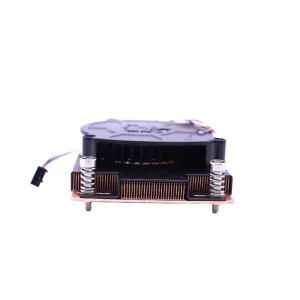
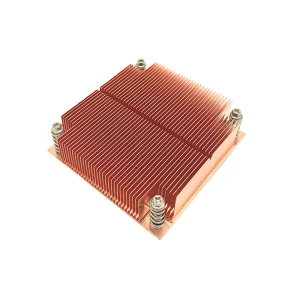
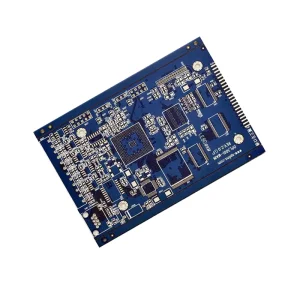
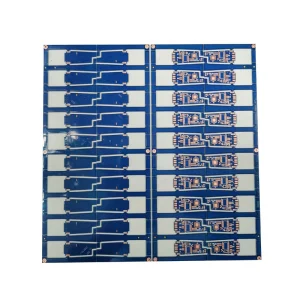
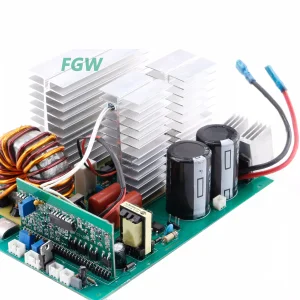
If junction temperatures exceed rated thresholds, optical output drops dramatically, and the diode's lifespan decays exponentially. This is why our manufacturing core integrates copper-core Metal Core Printed Circuit Boards (MCPCBs), combined with server-grade copper-bottomed refrigeration components (such as our high-performance thermal heat sinks). By keeping thermal resistance ($R_{th-jc}$) below $4\text{ K/W}$, we ensure optimal chip stability and longevity.
Our ongoing technology roadmap addresses the transition toward high-density chip-on-board (COB) modules and the implementation of customized secondary optics. Quartz glass lenses with anti-reflective coatings are hermetically sealed onto the diodes, maximizing spatial radiation patterns and directing peak energy output precisely where needed.
Transitioning from standard FR4 to high-performance Aluminum-nitride (AlN) ceramic substrates to handle power densities exceeding 10 W/cm².
Deploying 60°, 90°, and 120° quartz glass micro-lenses to align optical distribution profiles and minimize internal reflection losses.
Integrating digital sensors to monitor real-time UV intensity, driver temperature, and power fluctuations directly on the module board.
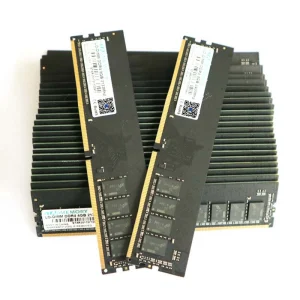
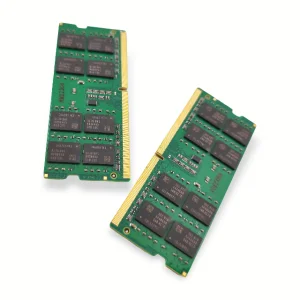
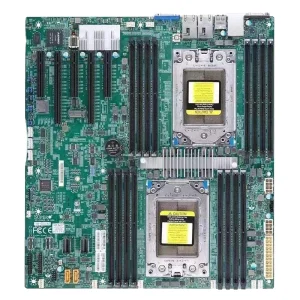
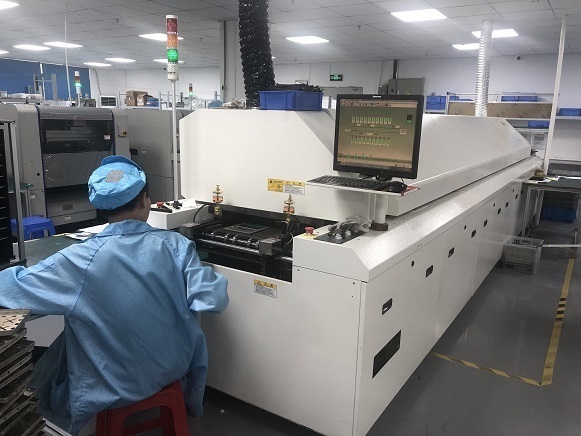
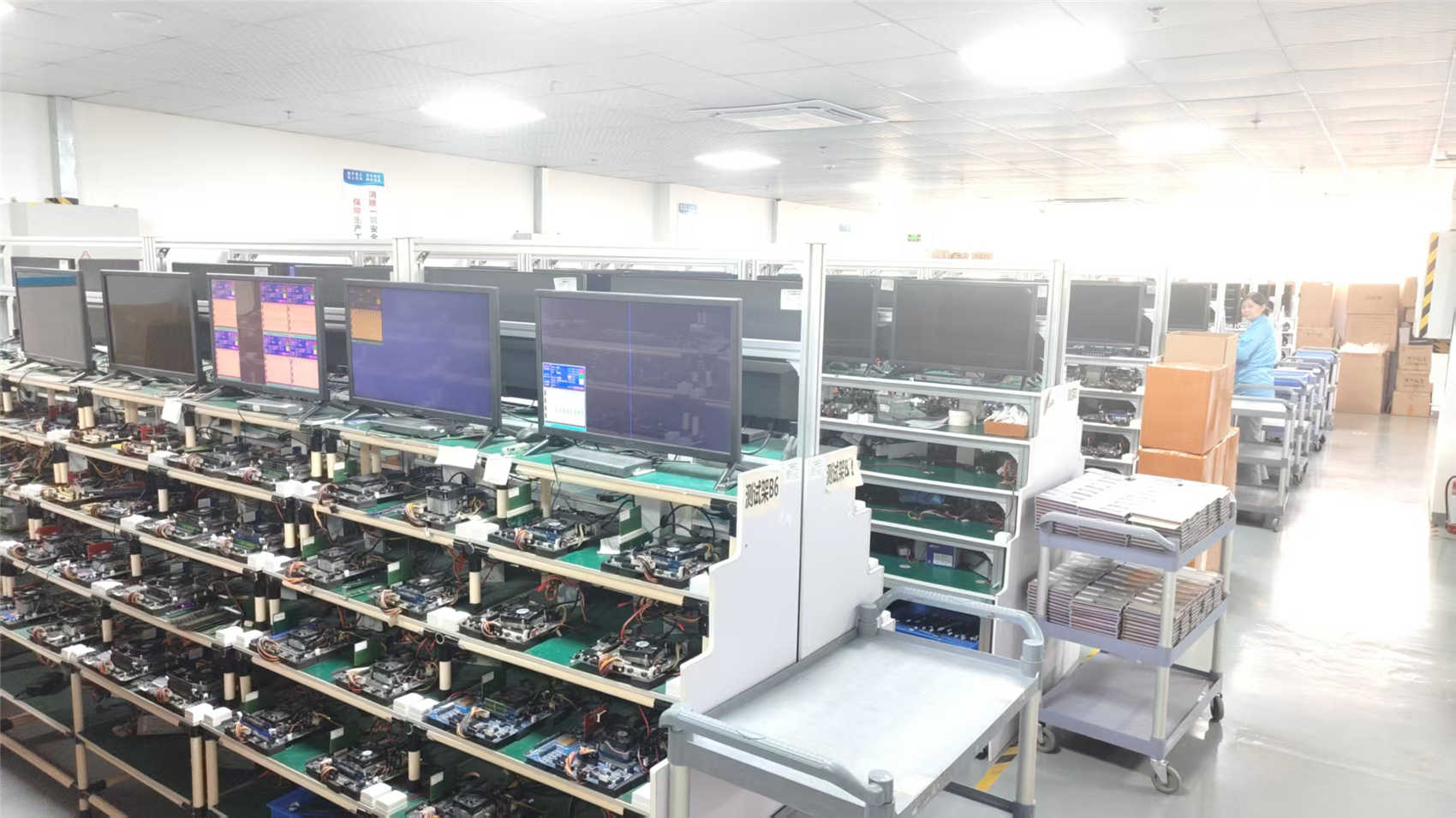
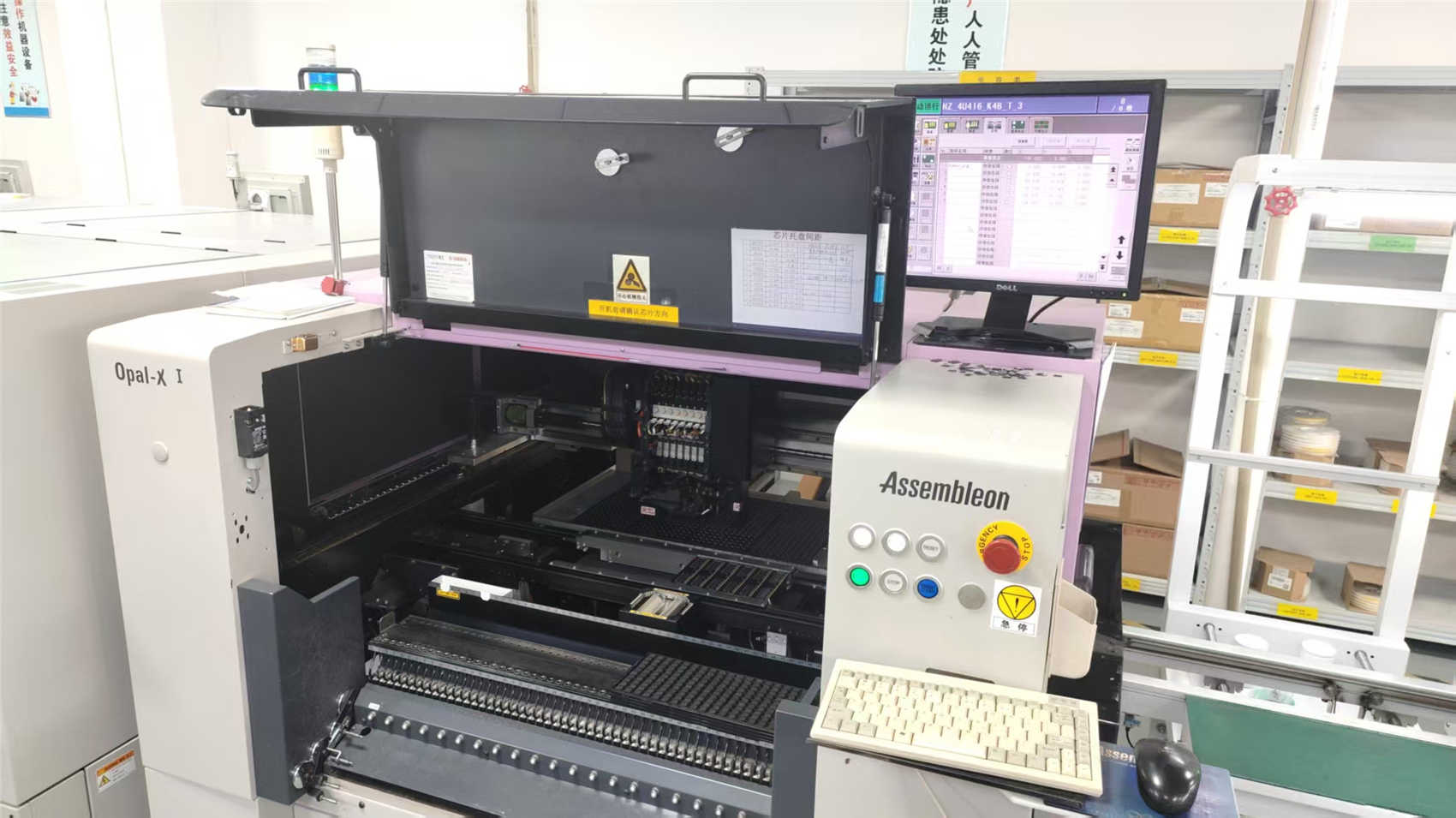
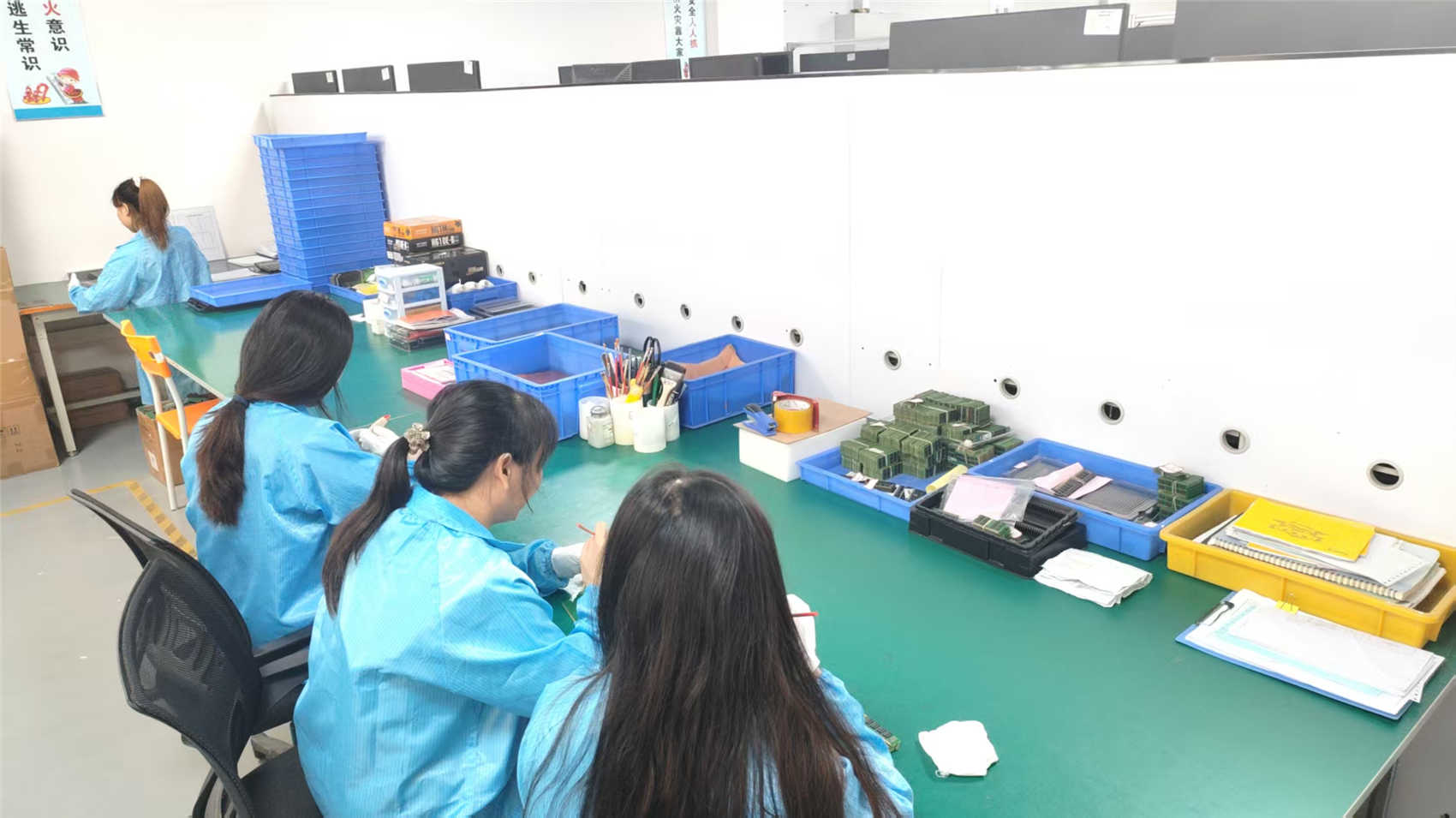
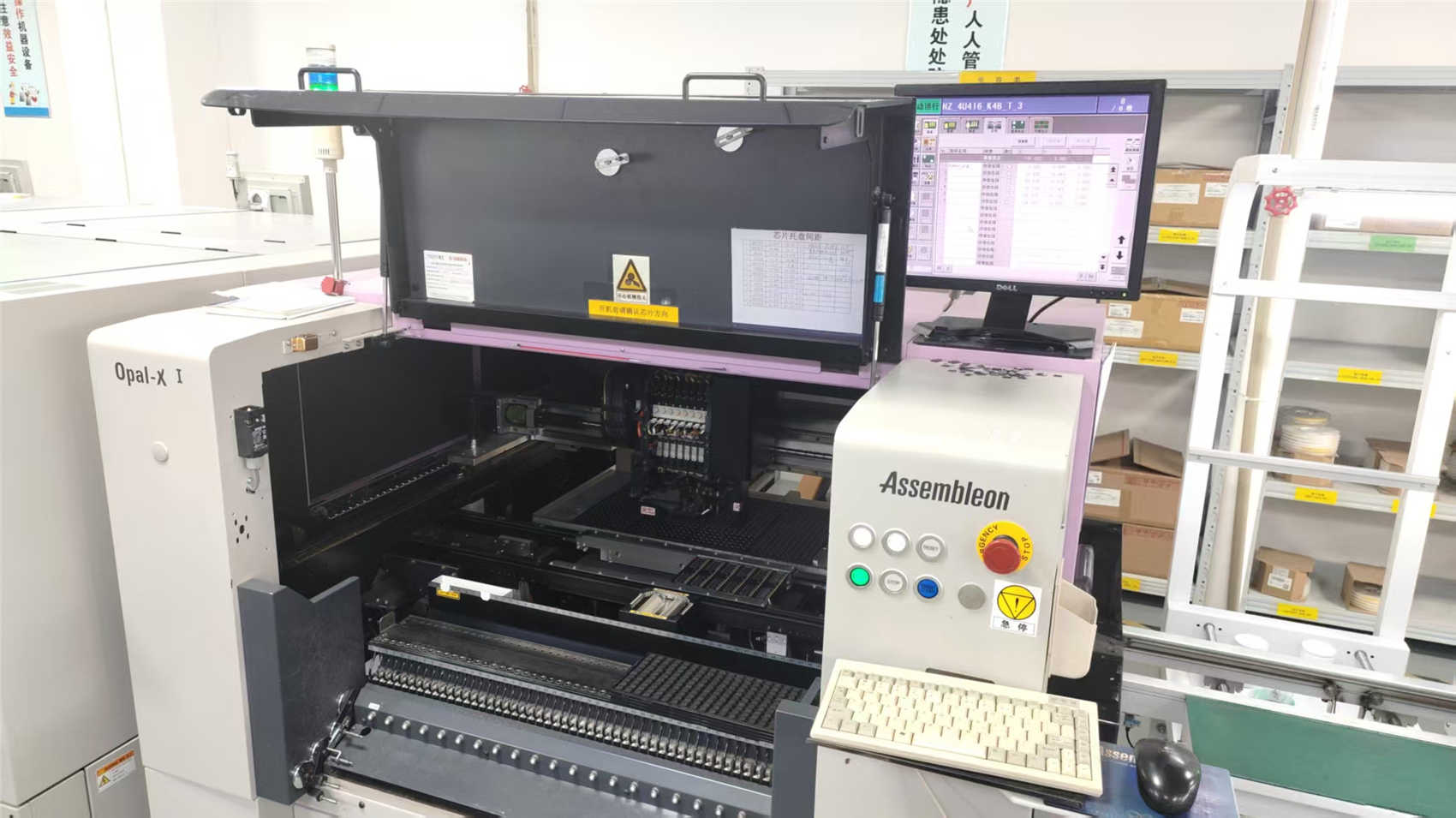
NexaRAM Storage Technology Co., Ltd. (established in 2016) brings over 12 years of core memory, semiconductor, and advanced SMT manufacturing experience to the optoelectronics sector. While our heritage is in producing high-speed DDR4/DDR5 modules and complex multi-layer PCBs, the same precision placement, thermal architecture, and optical-inspection capabilities translate perfectly into manufacturing robust UVC LED modules.
Operating a modernized facility with advanced packaging lines, NexaRAM maintains an ecosystem of over 850 strategic partners. This ensures that raw materials—from sapphire chips to advanced thermal silicon—remain insulated from market shocks, securing delivery lead times for our partners in Los Angeles.
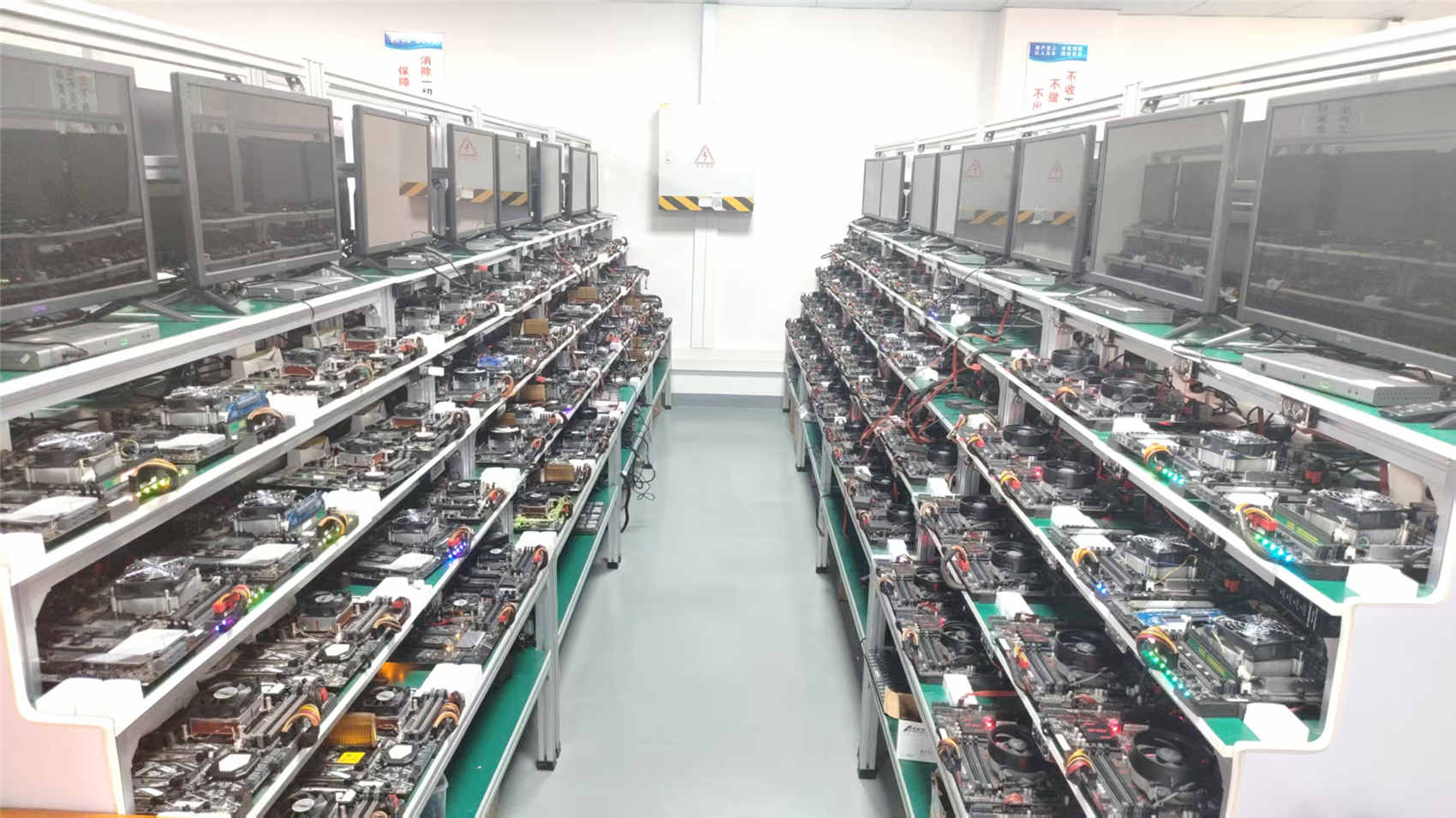
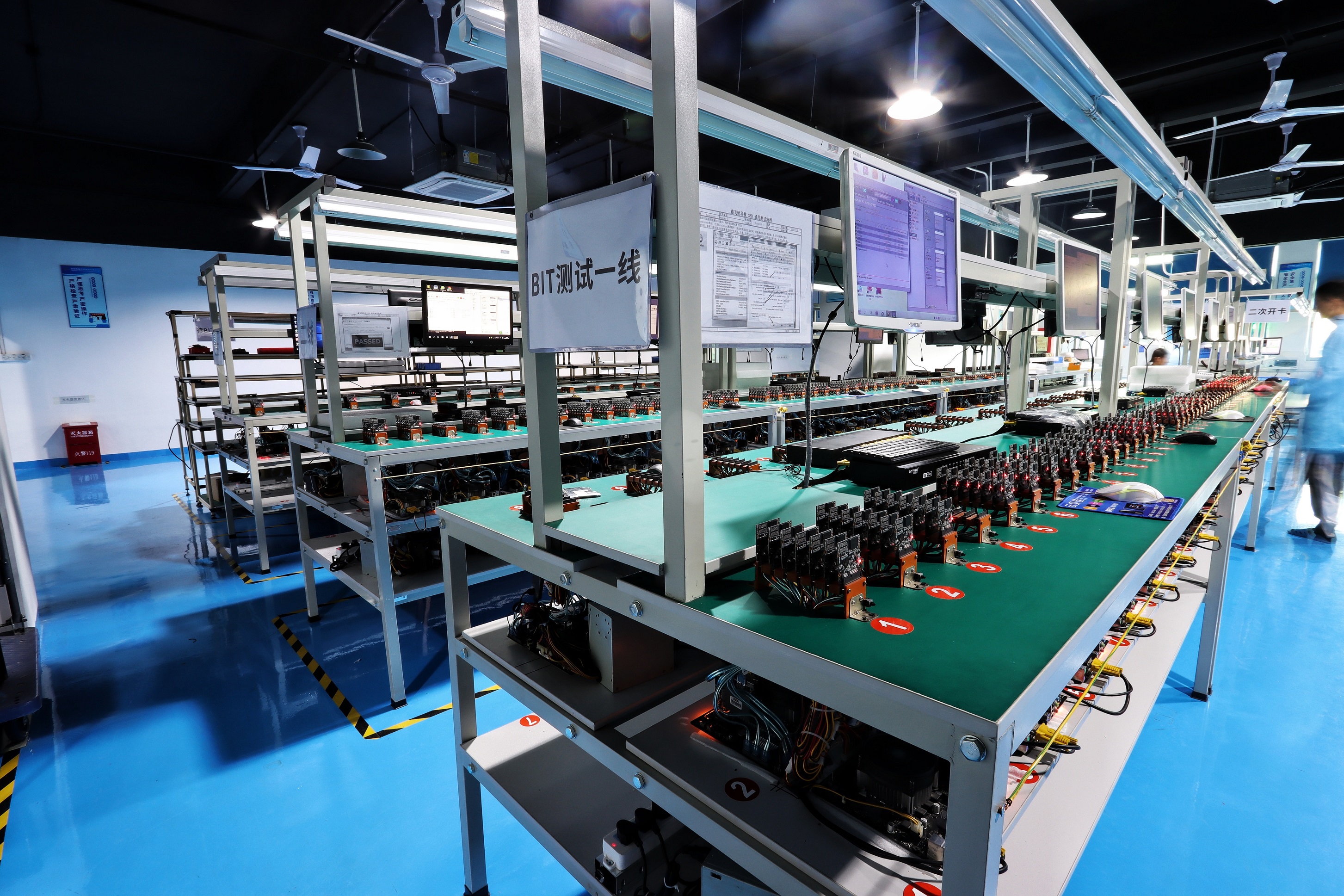
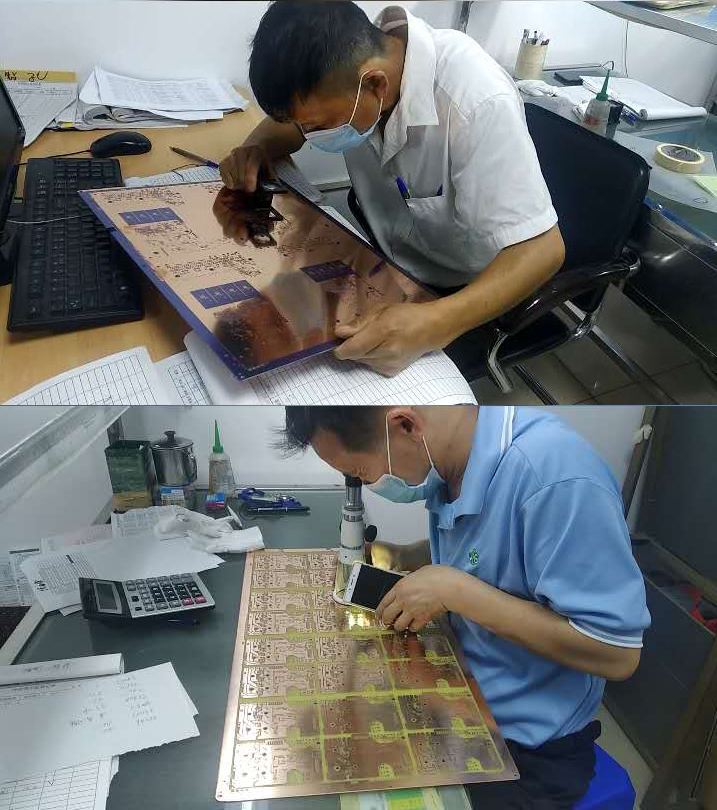
Our QC standards incorporate multi-phase Automated Optical Inspection (AOI) alongside specialized burn-in reliability chambers. Over 35 inspectors supervise production runs, ensuring every module shipped to North America operates stably under variable voltage inputs.
Navigating environmental laws and certifications can block product launches in California. Our dedicated export division is experienced in working alongside engineers and laboratory technicians to satisfy UL, CE, RoHS, and EPA criteria. We optimize documentation, supply complete material sheets, and run validation reports for power spectrum and irradiance distributions.
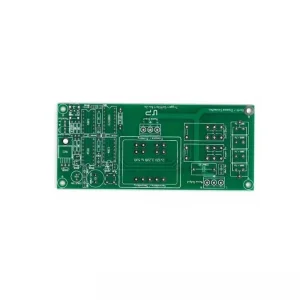
Furthermore, our sales division offers flexible OEM/ODM customization services. We support custom frequency tuning, specific electrical configurations, and driver board integration (including PCB layout design and custom heat spreader interfaces). Whether you need a specific dimension limit or a custom input voltage threshold, we can produce prototype PCBs and modify structures to fit your requirements.
Answering complex integration, optical, and thermal engineering questions for UVC module systems.
Leveraging NexaRAM's high-reliability memory modules and advanced SMT processing capabilities to build resilient control systems for industrial UVC applications.