NexaRAM
NexaRAM
NexaRAM
Engineered for extreme workloads: High-conductivity heat sinks, advanced multilayer PCB assemblies, and optimized enterprise memory modules.
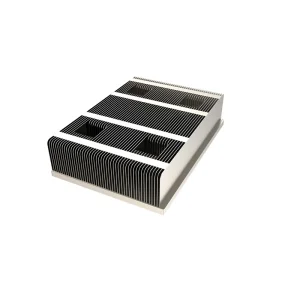
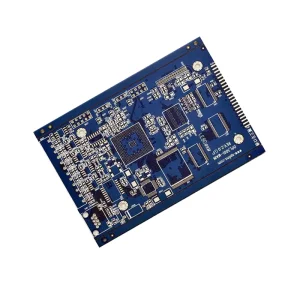
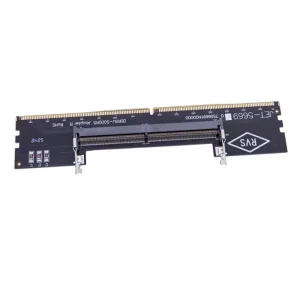
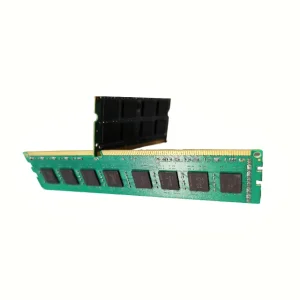
In the era of hyperscale cloud infrastructures, artificial intelligence workloads, and high-frequency edge computing, thermal efficiency has transitioned from a supporting packaging consideration to a primary performance limiter. As semiconductor fabrication nodes shrink to sub-3nm scales, power density at the silicon level (W/cm²) is rising exponentially. Modern CPU socket powers regularly exceed 350W to 400W, and GPUs push beyond 700W. Dissipating this highly concentrated thermal energy while keeping the junction temperature ($T_j$) below critical thresholds is the defining engineering challenge of our time.
China has established itself as the undisputed global hub for thermal management hardware manufacturing, integrating raw material refining, advanced structural engineering, and precision electronics co-design. Top thermal management suppliers leverage sophisticated mechanical and thermodynamic technologies, including vapor chambers (VC), custom heat pipes, direct-contact copper heatsinks, and advanced phase-change thermal interface materials (TIMs). These cooling elements operate in tandem with high-density PCB boards and memory architectures to deliver maximum operating longevity.
Even the most advanced active cooling fans and copper vapor chambers fail if the contact interface between the silicon die and the heat spreader contains microscopic air gaps. Developing high-conductivity, low-thickness thermal interfaces (known as Low bond-line thickness or BLT) remains a critical focus area. Leading Chinese manufacturers tackle this through high-performance silicone or carbon-based TIMs and mechanical mounting assemblies that guarantee precise pressure distribution across the component.
Why do global tier-one hardware brands source their thermal components from Chinese manufacturers? The answer lies in the structural, economic, and technological characteristics of the local industry clusters:
From primary copper extrusion, stamping, CNC machining, and electroplating, to heat-pipe vacuum filling, and high-frequency SMT component placement, the entire supply chain is concentrated in localized manufacturing hubs in Southern and Eastern China. This proximity reduces transit latency, optimizes material flows, and slashes product development cycles.
Thermal simulations designed using systems like ANSYS Icepak or FloTHERM are converted into physical prototypes in days rather than weeks. Chinese thermal factories utilize precision tooling, rapid-die cutting, and CNC machining centers to quickly validate thermal designs, allowing for dynamic testing and fast-tracked time-to-market.
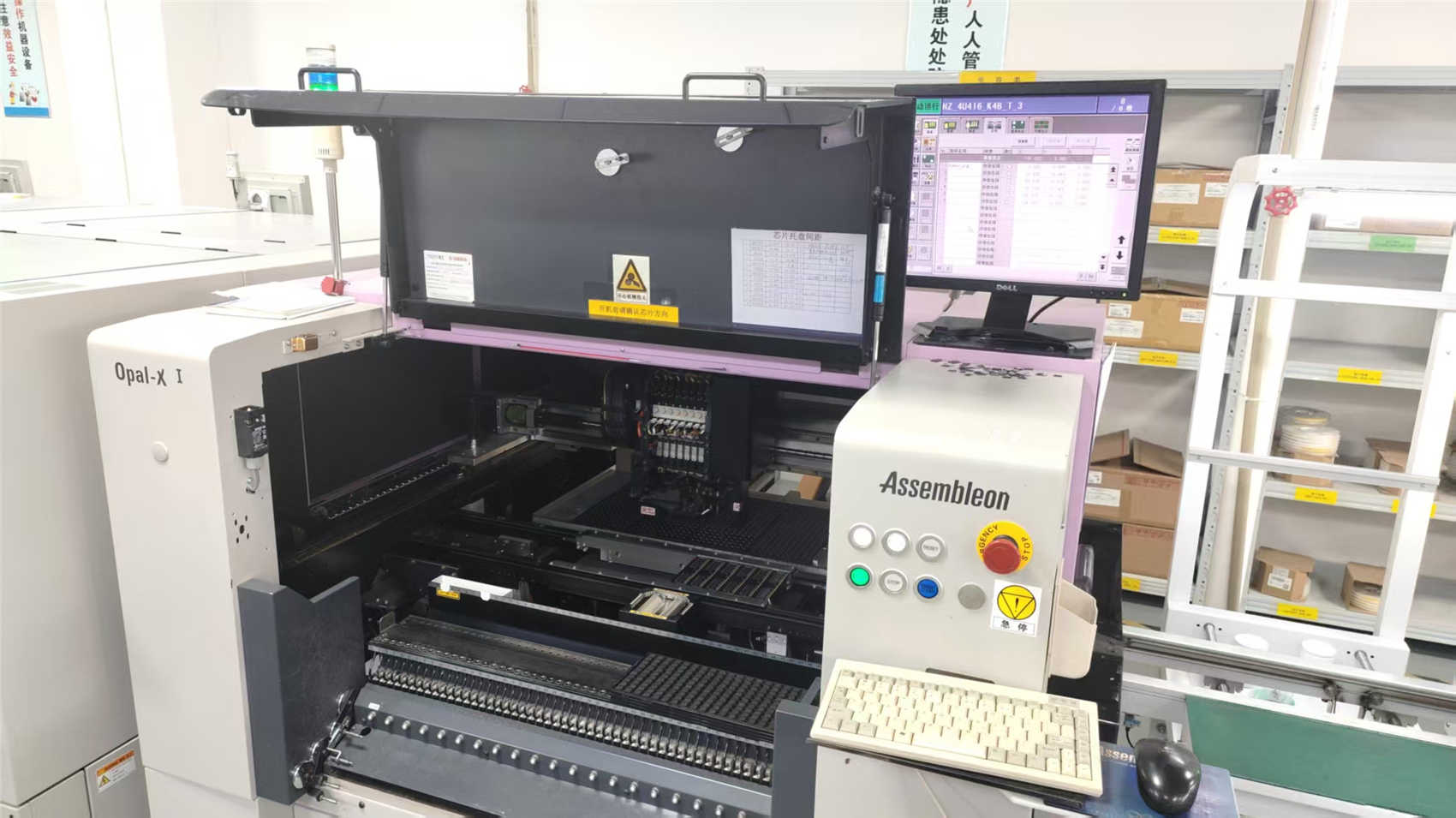
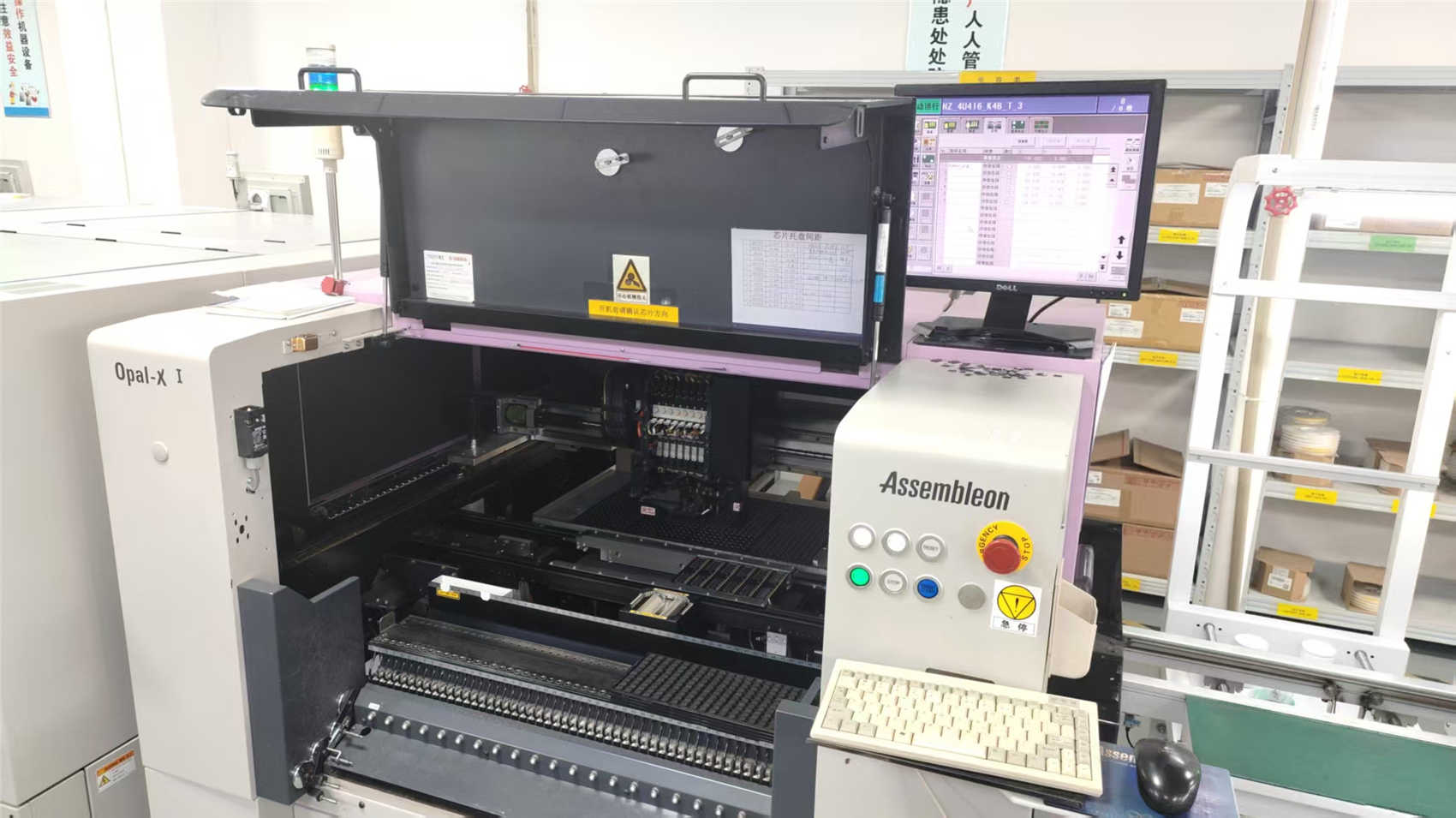
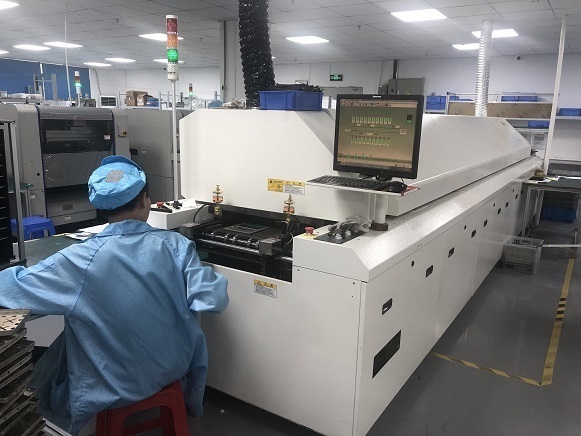
High-volume manufacturing lines leverage Automated Optical Inspection (AOI), robotic solder paste printers, automatic wave soldering machines, and integrated helium leak detection systems. These technologies minimize human error, improve yields, and maintain consistency across millions of units for enterprise clients.
Moreover, the proximity to major semiconductor component suppliers, memory packaging facilities, and structural hardware developers creates a collaborative manufacturing environment. Thermal solution suppliers regularly design packaging layouts alongside PCB layout designers, resulting in optimized system airflow, minimal acoustic noise, and minimized overall system footprints.
Applying specialized engineering to next-generation DRAM and complex PCBA hardware. Bridging high-performance memory modules with efficient heat dissipation architectures.
Founded in 2016, NexaRAM Storage Technology Co., Ltd. has established itself as an innovative DDR5 memory and SMT assembly manufacturer. High-performance DRAM platforms (like DDR5) rely heavily on proper thermal management. Moving power management directly onto the DIMM module (via the PMIC) creates localized thermal hot spots that require dedicated thermal solutions.
With 12 years of industry experience in semiconductors and memory packaging, NexaRAM designs and manufactures high-density memory modules, multilayer PCB components, and custom heat spreaders. NexaRAM operates a highly specialized facility that coordinates with over 850 strategic supply chain partners, enabling reliable access to premium raw materials and high-grade DRAM chips. Supported by a dedicated team of 180 R&D engineers, NexaRAM launched 120 new product variants in the past year alone.
Modern computing environments require thermal configurations designed for their specific workloads, physical dimensions, and airflows:
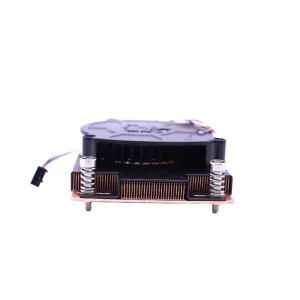
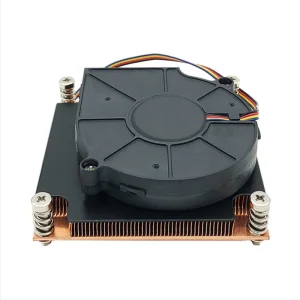
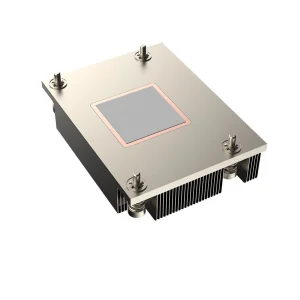
Enterprise rack servers require slim-profile, high-efficiency cooling. 1U-format server copper bottom refrigerators and passive CPU heat sinks utilize high-density skived copper fins. This design maximizes surface area and reduces aerodynamic resistance, utilizing the chassis fans to dissipate heat efficiently.
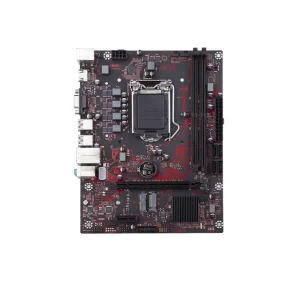
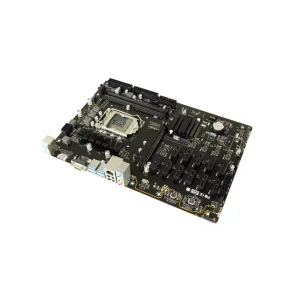
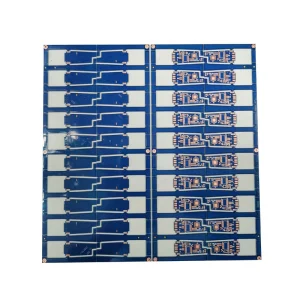
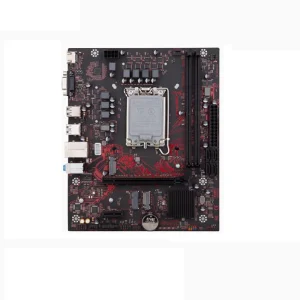
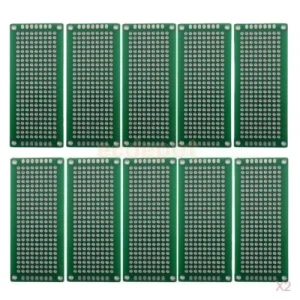
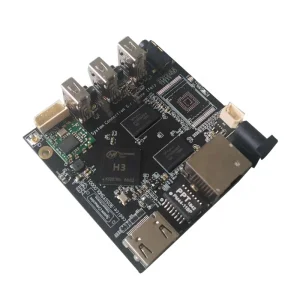
Industrial-grade motherboards and PCBA designs utilize thicker copper layers (up to 3oz or more) alongside thermal vias to route heat away from high-power SMT controllers. Immersion silver and gold finishes ensure reliable thermal pathways, preventing hot spots and component degradation.
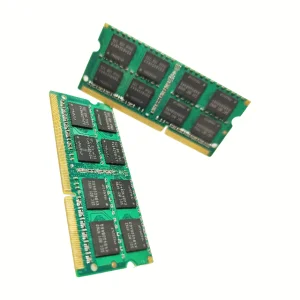
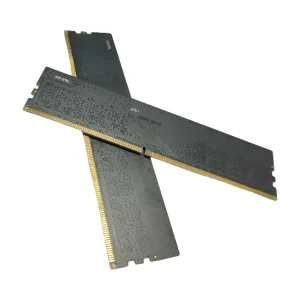
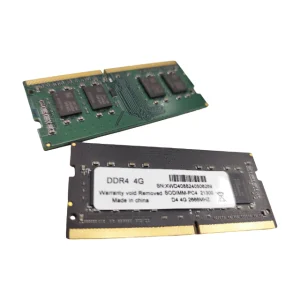
DDR4 and DDR5 memory modules running at high clock frequencies (exceeding 4800MT/s to 6400MT/s) generate significant heat from their high-density DRAM dies and PMICs. Custom-fitted aluminum and copper alloy heat spreaders distribute this thermal load evenly, preventing thermal throttling.
While traditional heat pipes transfer heat in a linear direction, vapor chambers spread heat in two dimensions. This makes them ideal for flat, high-heat-flux components like BGAs and CPUs. Using vapor chambers lowers thermal resistance at the baseplate, providing up to a 10°C drop in junction temperatures compared to solid copper spreaders.
Procuring thermal management systems and electronic components requires rigorous supplier validation and quality control. Global OEMs and enterprise users look for key reliability metrics:
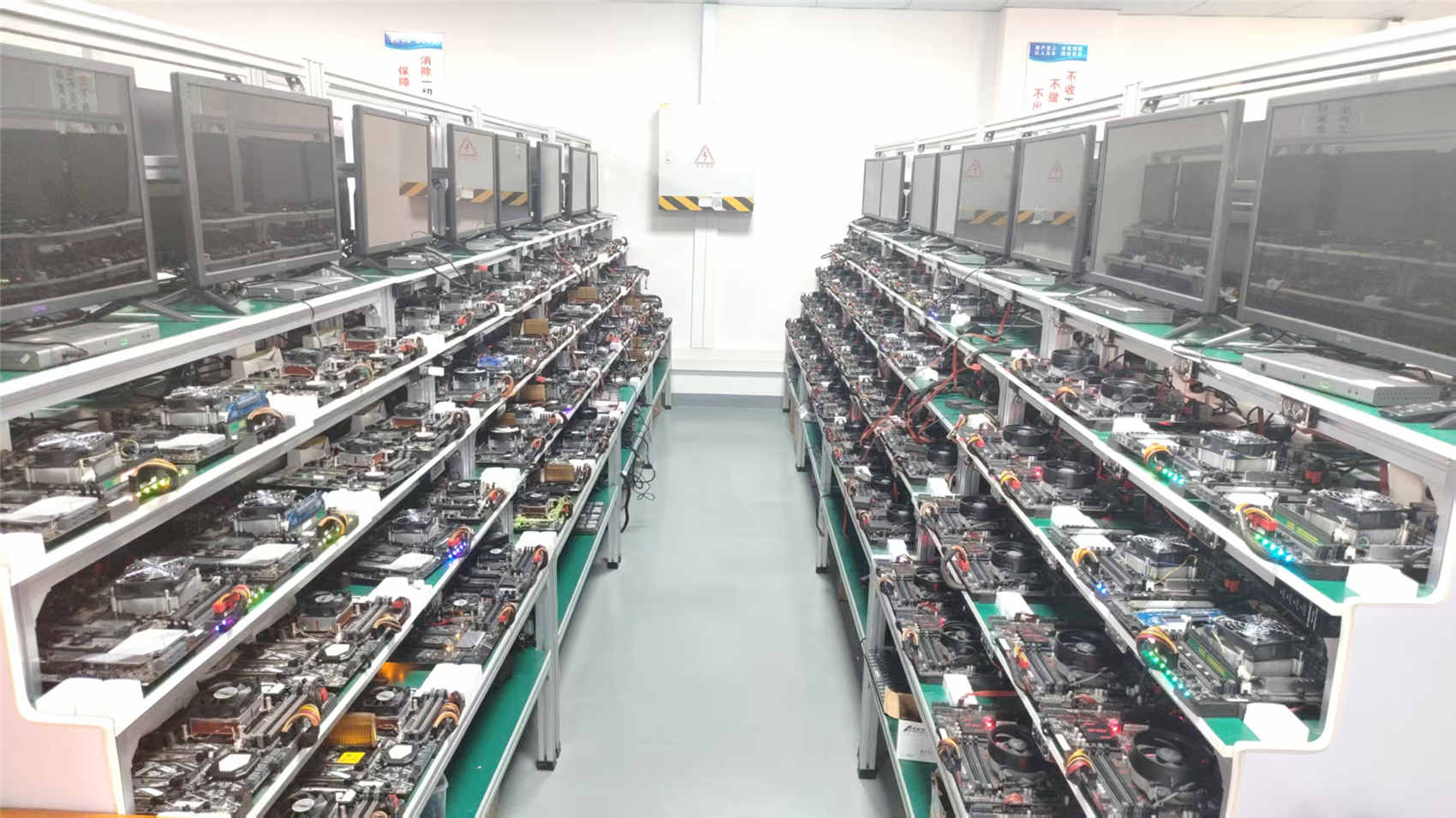
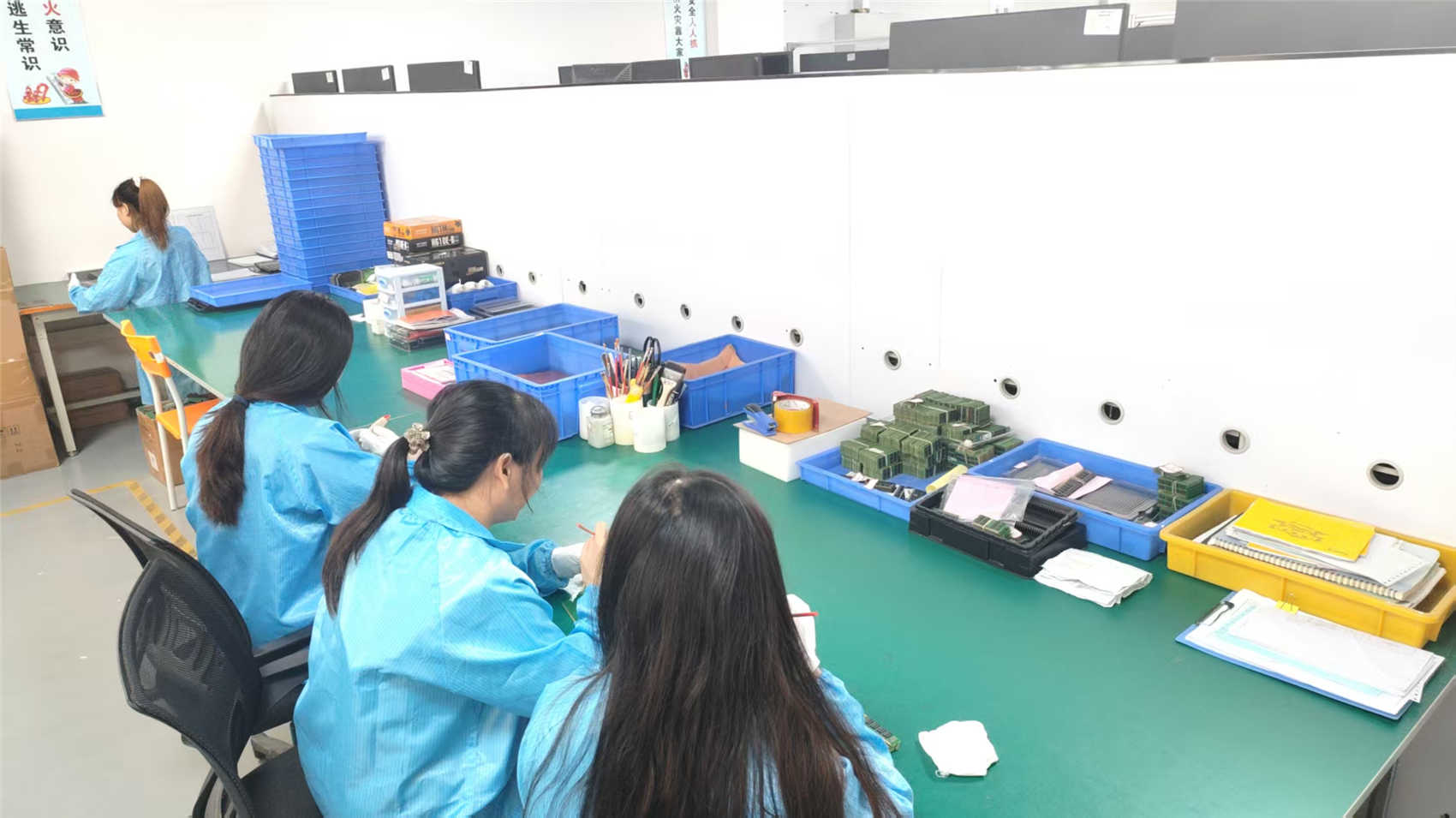
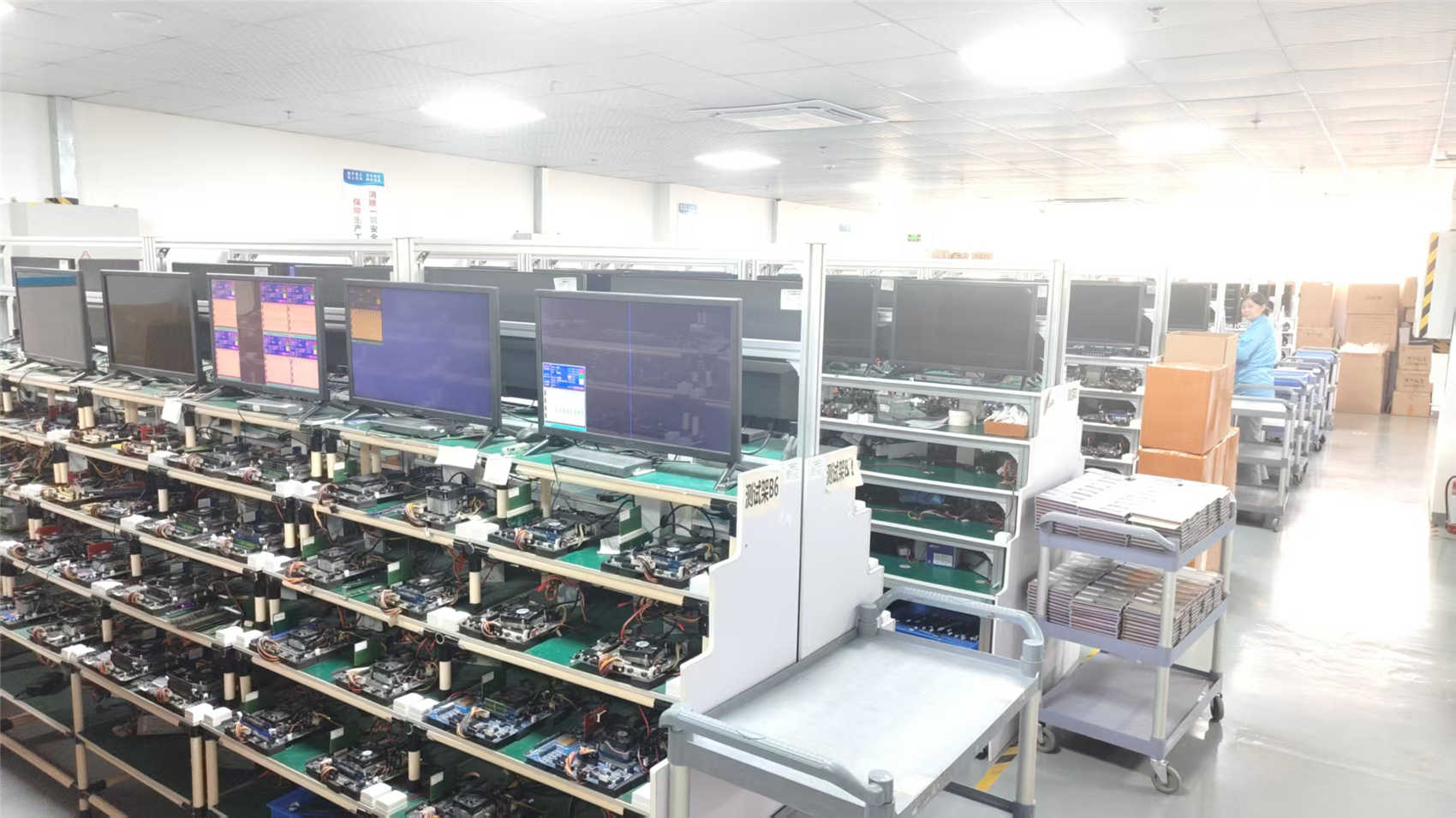
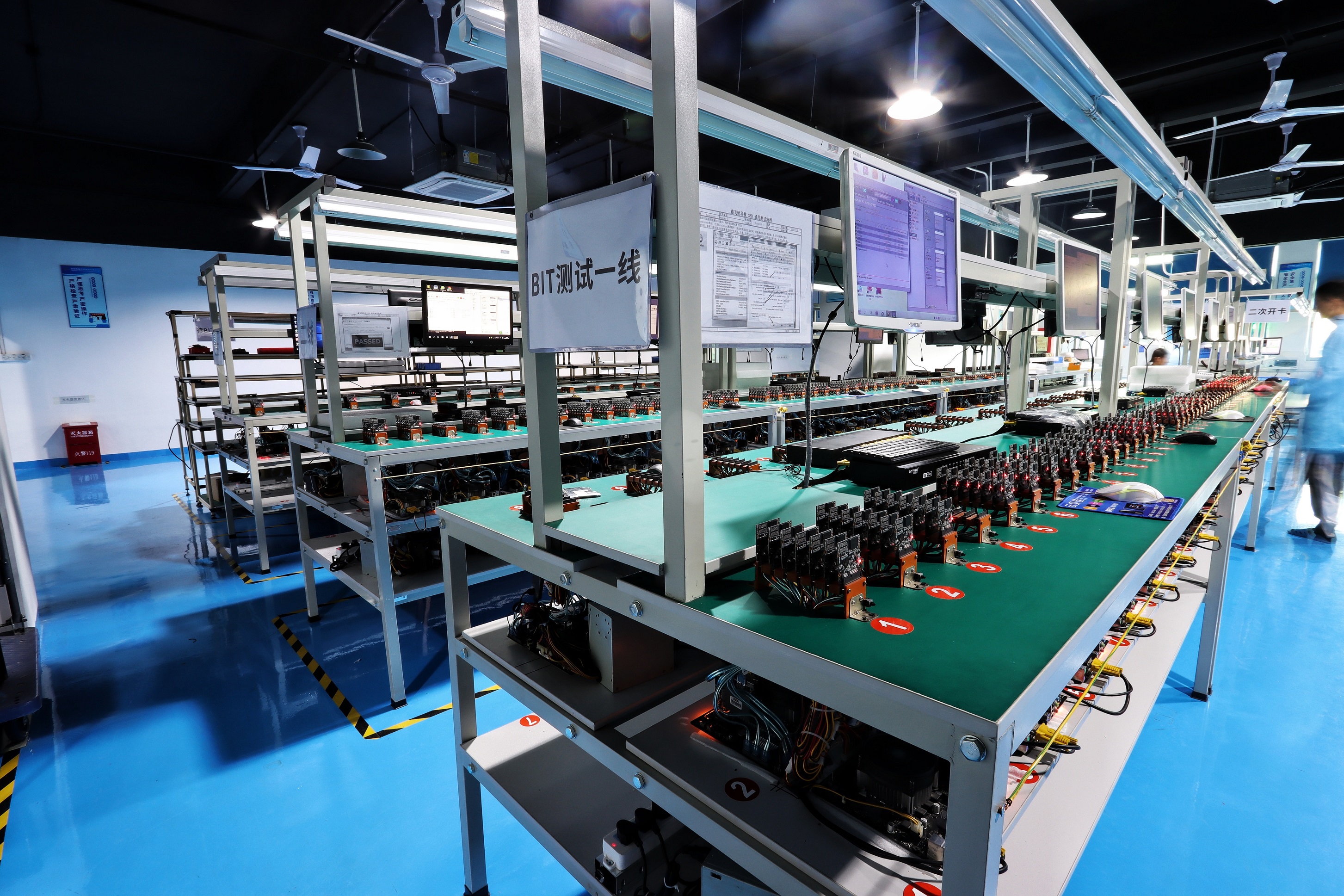
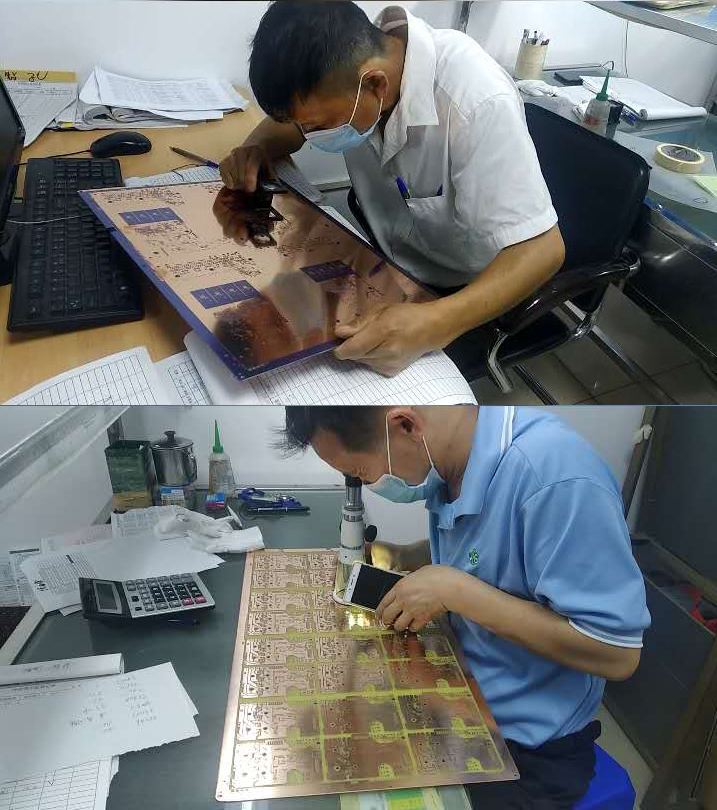
To meet these standards, NexaRAM uses a dedicated team of 35 quality control inspectors who oversee every phase of production, from raw material inspection (IQC) to final quality assurance (FQA).
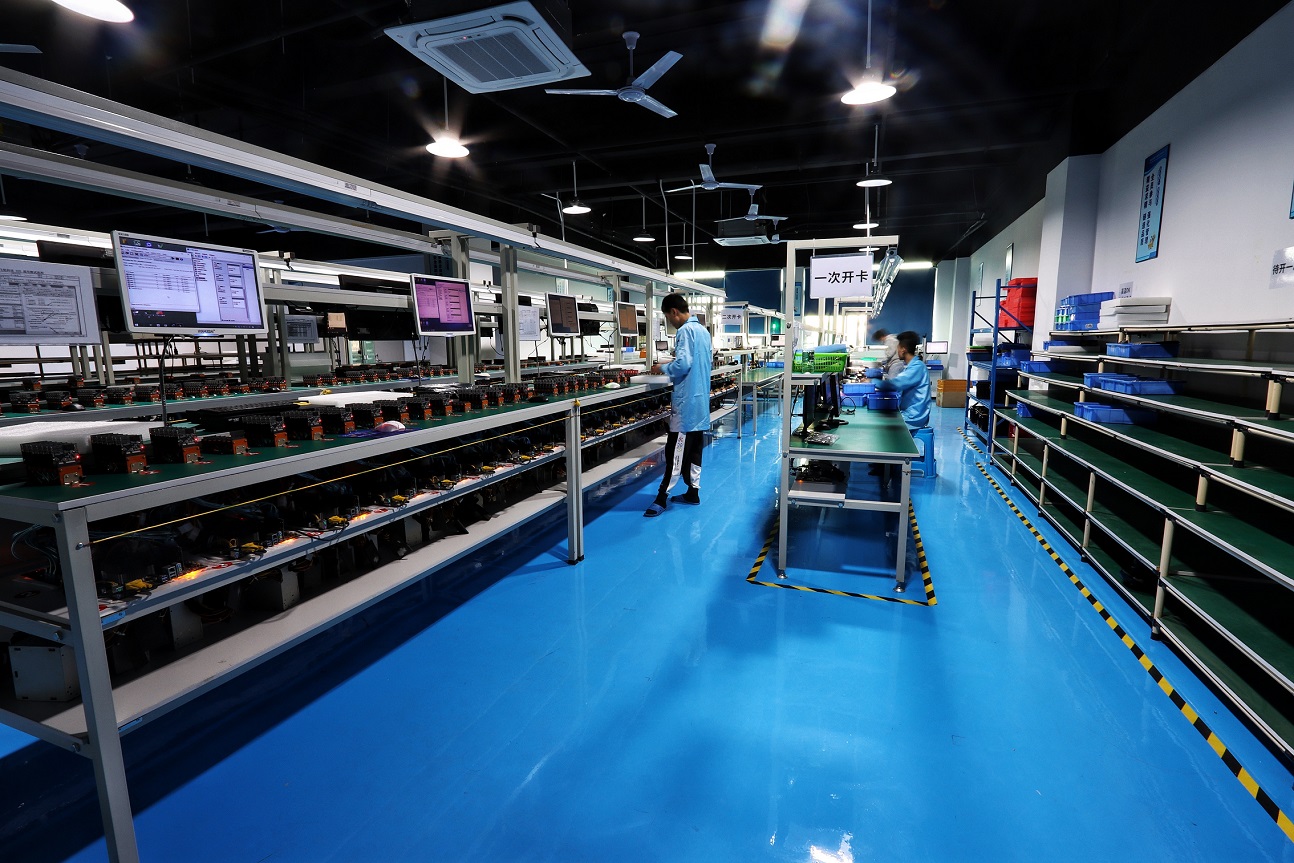
Inside the production facility: Advanced testing rigs, diagnostic equipment, and quality control departments.
Technical explanations regarding material composition, thermal dissipation mechanisms, testing standards, and customization capabilities.
High-reliability server components, motherboard kits, and desktop memory upgrades designed to withstand continuous workloads.